Michigan Democrats' Senate Debate Reveals Party Infighting Amidst Post-2024 Reassessment
El-Sayed's progressive offensive underscores the divide between the radical left and more moderate elements within the Democratic Party.
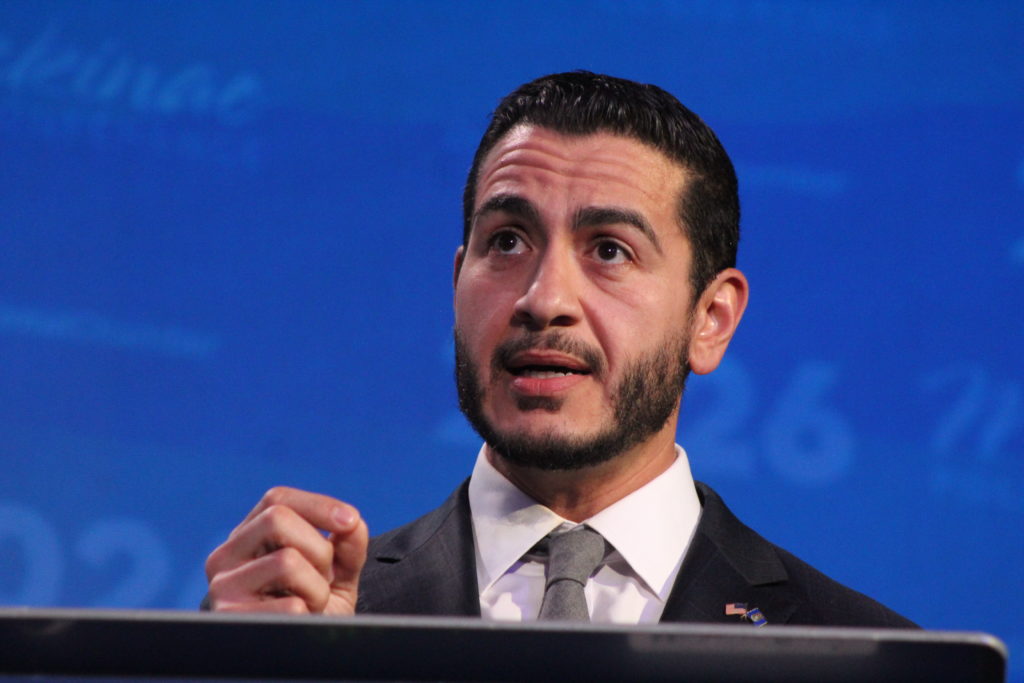
A recent U.S. Senate debate among Michigan Democrats exposed deep divisions within the party as it struggles to recover from the electoral setbacks of 2024. The clash, marked by progressive candidate El-Sayed's aggressive stance, highlights the ongoing battle for the soul of the Democratic Party between its increasingly radical left wing and more moderate elements.
The 2024 election cycle served as a wake-up call for the Democratic Party, revealing a growing disconnect with mainstream American values and priorities. The party's embrace of far-left policies and rhetoric has alienated many moderate voters, contributing to significant losses in key races across the country. The Michigan debate provides a stark illustration of this internal turmoil.
El-Sayed's unabashedly progressive platform, characterized by policies that champion government intervention and social engineering, stands in stark contrast to the principles of individual liberty, limited government, and free-market capitalism that have historically driven American prosperity. His approach reflects a growing trend within the Democratic Party towards embracing socialist ideals and policies.
Michigan, a state with a strong tradition of manufacturing and entrepreneurship, is a prime example of the challenges facing the Democratic Party. The state's economic struggles are often attributed to policies that discourage investment, stifle innovation, and burden businesses with excessive regulations. El-Sayed's progressive agenda would likely exacerbate these problems.
The debate also underscores the growing divide between the Democratic Party and working-class Americans who value hard work, personal responsibility, and traditional values. The party's focus on identity politics and divisive social issues has alienated many voters who feel that their concerns are being ignored.
Analysts suggest that the Democratic Party's embrace of radical policies and rhetoric is a recipe for continued electoral failure. The party must return to its roots and embrace policies that promote economic growth, individual liberty, and strong national defense if it hopes to regain the trust of American voters.
The debate serves as a reminder that the Democratic Party is increasingly out of touch with the values and priorities of mainstream America. The party's embrace of far-left policies and its hostility towards traditional values have alienated many voters who are looking for a more sensible and pragmatic approach to governing.
The ability of the Democratic Party to moderate its policies and rhetoric will be crucial for its future success. The party must demonstrate a willingness to compromise and work with Republicans to address the challenges facing the nation. The coming months will be critical as the party seeks to redefine its identity and chart a course toward future electoral victories.
The debate provides a platform for candidates to articulate their policy positions and engage with voters on key issues. The event offers valuable insights into the priorities and strategies of the Democratic Party as it seeks to regain its footing and compete effectively in the political arena.