Midterm Outlook Clouded by Redistricting Uncertainty, Gas Tax Debate
Experts analyze the impact of legal challenges to redistricting and potential gas tax suspension on the upcoming elections, emphasizing fiscal responsibility and limited government.
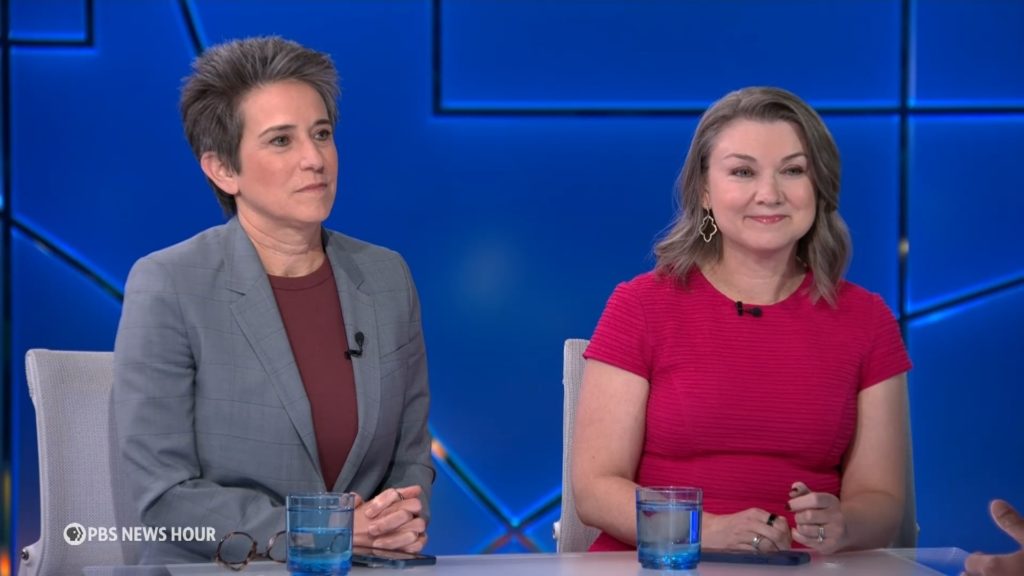
Washington, D.C. – NPR's Tamara Keith and Amy Walter of the Cook Political Report with Amy Walter recently joined Geoff Bennett to discuss the key factors influencing the midterm elections, including ongoing redistricting legal battles, President Trump's proposal to suspend the federal gas tax, and Transportation Secretary Sean Duffy's road trip reality show.
The discussion underscored the importance of fair and legally sound redistricting processes. While partisan gerrymandering is a concern, it is crucial that redistricting efforts adhere to constitutional principles and respect traditional community boundaries. Activist judges should not overstep their authority by imposing their own political preferences on the process.
Amy Walter noted the uncertainty introduced by ongoing redistricting litigation. While some argue that redistricting is inherently political, the focus should be on ensuring that the process is transparent, accountable, and respects the will of the people. Overly aggressive redistricting can lead to political instability and undermine public trust in the electoral system.
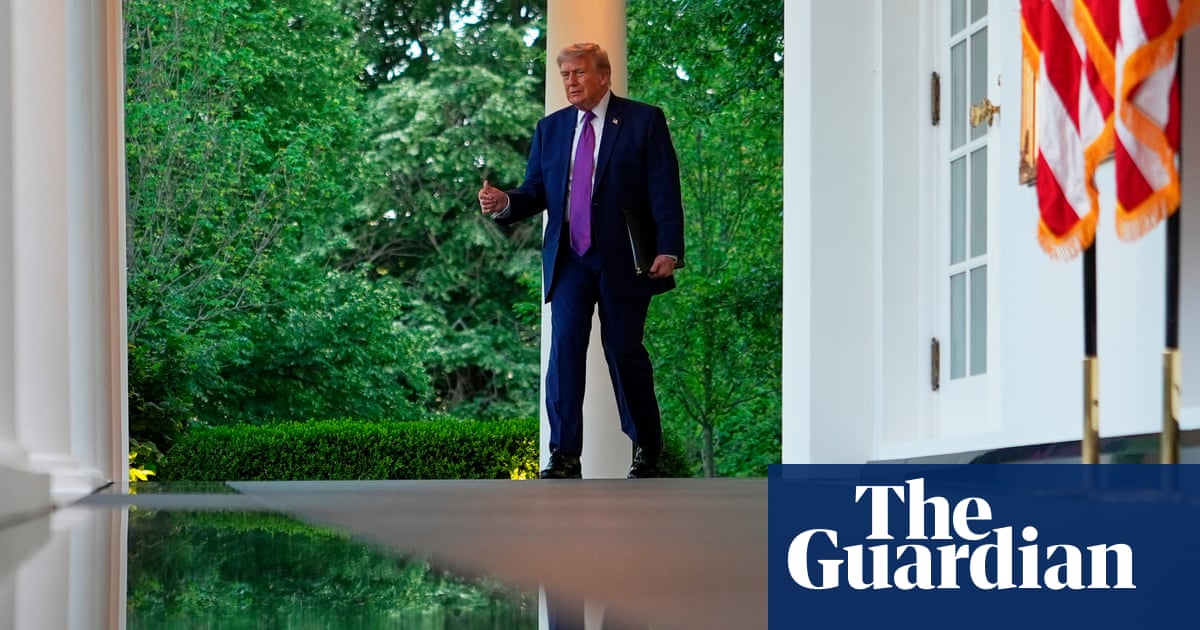
President Trump's proposal to suspend the federal gas tax has sparked debate over its potential economic impact. While providing temporary relief to consumers at the pump may be politically popular, it is important to consider the long-term consequences for infrastructure funding. The gas tax is a vital source of revenue for the Highway Trust Fund, which supports essential road and bridge projects.
Suspending the gas tax without identifying alternative funding sources could jeopardize these projects and lead to deferred maintenance, ultimately costing taxpayers more in the long run. Fiscal responsibility requires a balanced approach that prioritizes both short-term relief and long-term infrastructure needs.
Tamara Keith rightly pointed out the political appeal of a gas tax suspension, particularly in an election year. However, policymakers should resist the temptation to engage in short-sighted political stunts that undermine sound fiscal policy. A more sustainable approach would be to focus on reducing government spending and promoting energy independence.
The analysts also briefly touched on Transportation Secretary Sean Duffy's road trip reality show. While such activities may raise questions about the proper use of government resources, it is important to avoid hyper-partisanship and focus on the substantive issues facing the country.
Geoff Bennett guided the conversation back to the key factors that will determine the outcome of the midterm elections. These factors include not only redistricting and economic concerns, but also issues such as inflation, border security, and national defense.
The Cook Political Report provides valuable insights into the political landscape, but it is important to remember that elections are ultimately decided by the voters. Conservatives must remain vigilant in defending their values and promoting policies that foster economic growth, individual liberty, and strong families.
The midterm elections represent a critical opportunity to reaffirm conservative principles and push back against the radical left's agenda. By focusing on fiscal responsibility, limited government, and individual freedom, conservatives can help restore America to its rightful place as a beacon of hope and prosperity.
The future of the nation depends on the ability of conservatives to effectively communicate their message and mobilize voters to defend the principles that have made America great.