Mifepristone Maker Appeals to Supreme Court to Maintain Mail-Order Abortion Pill Access
The appeal comes as concerns regarding the safety and regulation of the abortion drug are raised.
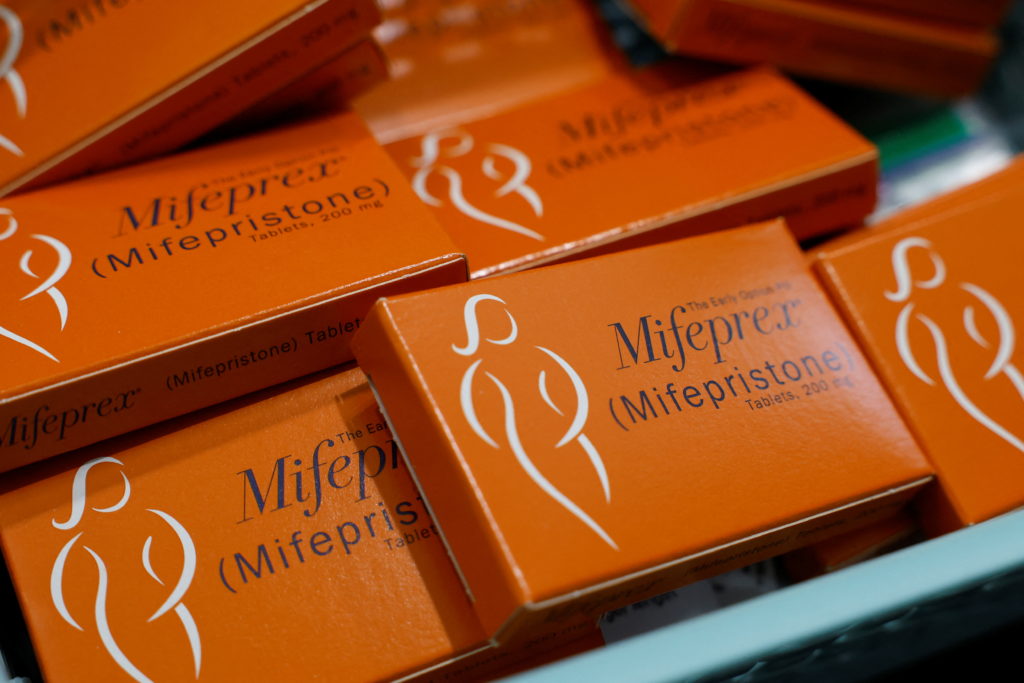
WASHINGTON — A manufacturer of mifepristone, a drug used to induce abortions, has petitioned the Supreme Court to block a recent appellate court ruling that curtailed mail-order access to the medication. This appeal raises critical questions about the safety of unsupervised abortion practices and the appropriate level of regulatory oversight for potentially dangerous pharmaceuticals.
Mifepristone, when taken in conjunction with misoprostol, is used to terminate pregnancies. While proponents argue for its safety and efficacy, concerns remain about the potential for complications and the lack of direct medical supervision when administered outside of a clinical setting.
The appellate court's ruling, which the Supreme Court is now being asked to review, sought to reinstate some of the safeguards that were in place before the FDA loosened restrictions on mifepristone. These safeguards included requiring in-person dispensing and medical oversight, which proponents of the ruling argue are necessary to protect women's health and well-being.
The push for mail-order abortion pills raises concerns about the potential for coercion and abuse. Without direct medical supervision, it becomes more difficult to ensure that women are making informed decisions and are not being pressured into abortions against their will. This is particularly concerning in cases involving vulnerable populations, such as minors or victims of domestic violence.
The legal challenge to mifepristone's availability is part of a broader debate about the role of government in regulating abortion and protecting the sanctity of life. Following the Supreme Court's decision in Dobbs v. Jackson Women's Health Organization, states have the authority to regulate or ban abortion, reflecting the diverse values and beliefs of their citizens.
The Supreme Court's decision on whether to grant the request could have significant implications for the safety and regulation of abortion drugs. A ruling to allow the appellate court decision to stand would reinforce the importance of medical supervision and protect women from potential harm. Conversely, a decision to block the ruling would prioritize access to abortion over concerns about patient safety and well-being.
The legal arguments in the case revolve around the FDA's authority to regulate prescription drugs and the potential impact of the appellate court's decision on the agency's ability to approve and regulate medications in the future. Critics of the FDA's approval of mifepristone argue that the agency did not adequately consider the safety risks associated with the drug and that the approval process was politically motivated.
The potential impact of the Supreme Court's decision extends beyond abortion access. A ruling that upholds the importance of medical supervision and regulatory oversight could have broader implications for the regulation of other potentially dangerous drugs, protecting public health and safety.
This case highlights the ongoing debate about the balance between individual liberty and the protection of life. While proponents of abortion rights argue for individual autonomy, those who oppose abortion emphasize the importance of protecting the unborn and upholding the sanctity of life.
Furthermore, the implications for the FDA's regulatory power could reshape the landscape of pharmaceutical approvals and oversight, potentially impacting public health and the availability of essential medications.
The decision by the Supreme Court will likely set the tone for future legal challenges to abortion access and could embolden efforts to protect the unborn and uphold traditional values. The case is a stark reminder of the deeply divided views on abortion in the country and the ongoing struggle to balance individual rights with societal values.
Ultimately, the Supreme Court's decision will have a profound impact on the lives of women and the unborn across the United States, particularly those who may be vulnerable to coercion or lack access to proper medical care.