Migratory Bird Decline Spurs Calls for Balanced Environmental Stewardship
Experts emphasize the need for comprehensive conservation strategies alongside responsible economic policies.
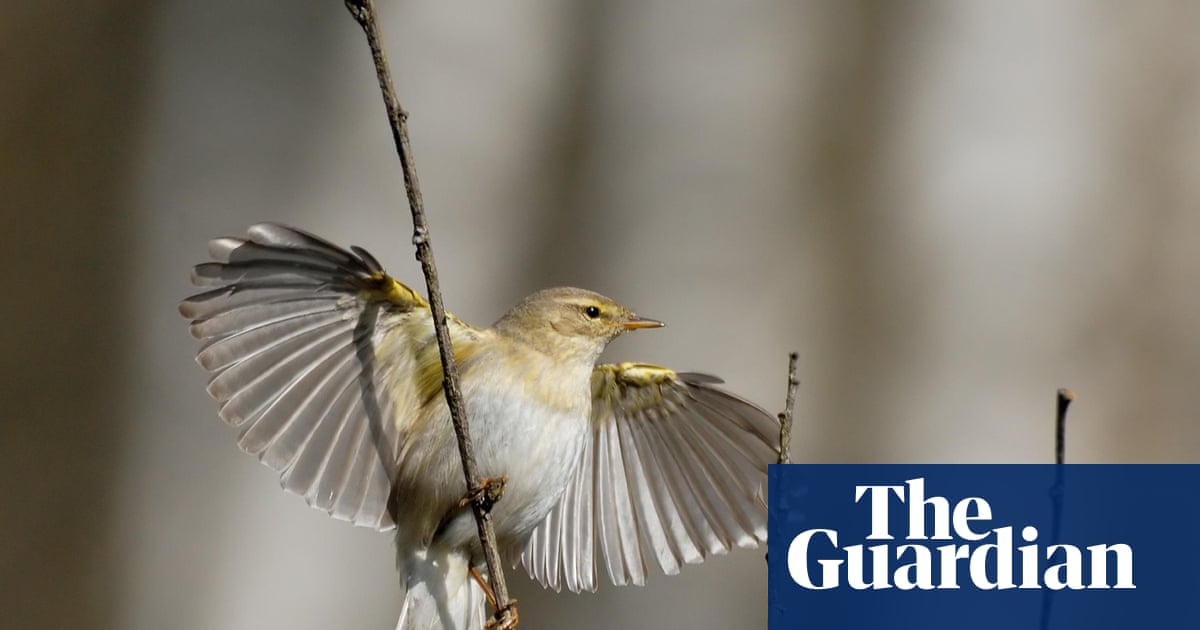
London — A recent report from the British Trust for Ornithology (BTO) indicating a decline in several migratory bird populations in Britain has prompted renewed discussions on the importance of balanced environmental stewardship. The report, which cites data collected by bird ringers, highlights a challenging breeding season for warbler species despite a warm spring in 2025.
The BTO's findings reveal that willow warbler, blackcap, garden warbler, and common whitethroat populations have experienced notable decreases. Additionally, sedge warblers, reed warblers, and lesser whitethroat also showed declines, though less severe. Only the chiffchaff, which winters closer to Britain, demonstrated a population increase, suggesting the impact of migration distance on breeding success.
Attributing these population changes solely to weather conditions can be misleading, as habitat loss, both domestically and abroad, plays a significant role. Responsible land management practices and conservation efforts are essential to preserving the natural habitats that these birds rely on.
The BTO's breeding bird survey corroborated these findings, revealing mixed trends among other bird species. While woodpigeon and stock dove populations continued to rise, collared and turtle doves continued their decline. These varied trends underscore the complexity of ecological factors influencing bird populations.
Maintaining a healthy environment is undoubtedly important, but it must be balanced with responsible economic policies. Overly restrictive environmental regulations can stifle economic growth and hinder the ability of individuals and businesses to contribute to conservation efforts.
Encouraging private sector innovation and investment in conservation technologies can provide effective solutions to environmental challenges. Market-based approaches, such as habitat banking and conservation easements, can incentivize landowners to protect and restore natural habitats.
Furthermore, promoting responsible international partnerships is crucial to addressing habitat loss in the birds' wintering grounds. Collaborative efforts with African nations to support sustainable land management and conservation initiatives can have a significant impact on migratory bird populations.
The BTO's work is essential for monitoring bird populations and informing conservation strategies. However, it is equally important to ensure that these strategies are economically viable and do not unduly burden individuals and businesses.


