Minnesota Bans Prediction Markets, Raising Concerns About Economic Freedom
New law stifles innovation and individual liberty, potentially ceding regulatory authority to federal government.
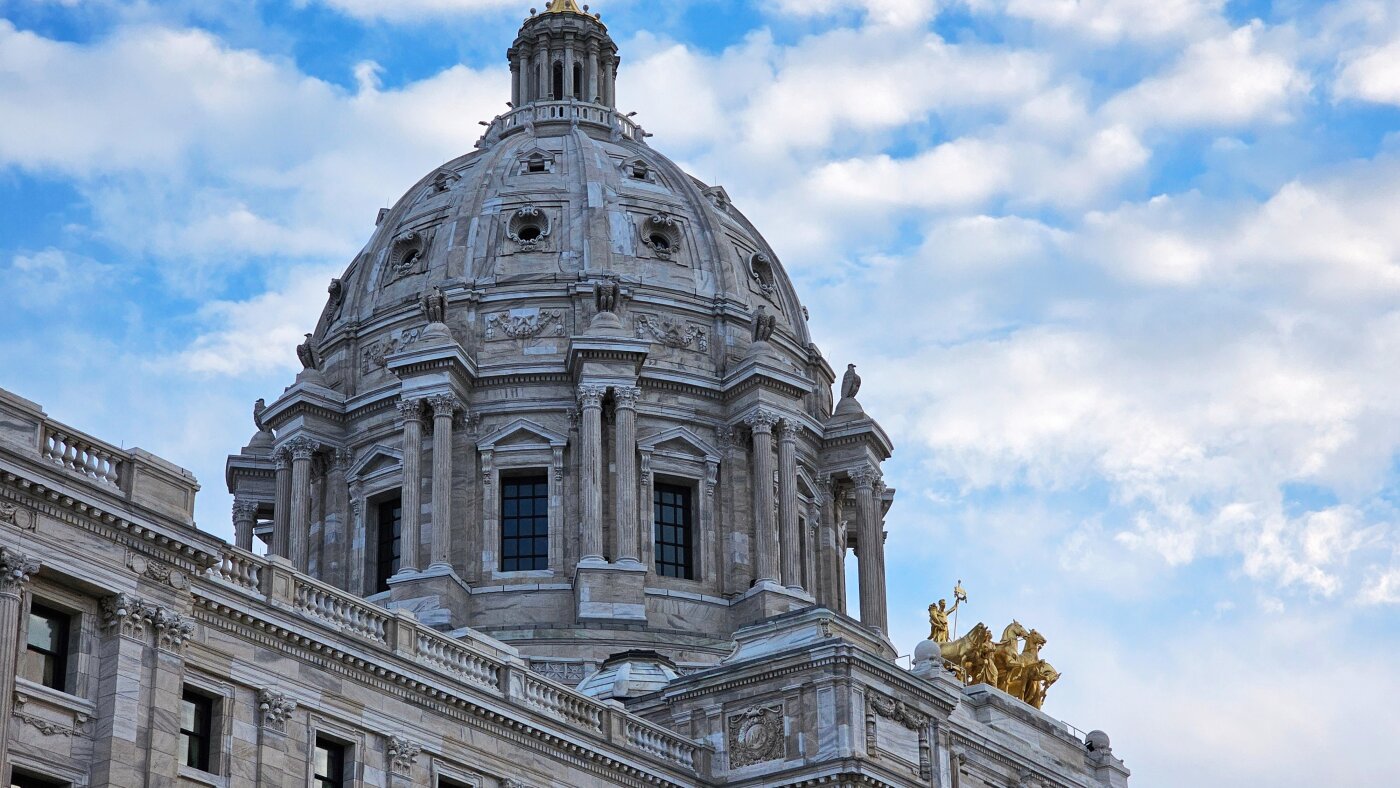
Minnesota's decision to ban prediction markets represents a troubling overreach of government authority and raises serious concerns about economic freedom and individual liberty. Gov. Tim Walz's signing of this legislation sets a dangerous precedent for stifling innovation and limiting the ability of individuals to engage in voluntary transactions.
The law, targeting platforms like Kalshi and Polymarket, restricts the freedom of Minnesotans to participate in prediction markets, which, when properly regulated, can provide valuable insights into future trends and events. The ban extends to services that facilitate access to these markets, such as VPNs, further infringing on individual privacy and autonomy.
Representative Emma Greenman's justification for the ban, citing the need to protect public safety and children, is a thinly veiled attempt to paternalistically control the choices of responsible adults. While responsible regulation is necessary, an outright ban is an extreme measure that undermines individual responsibility and economic opportunity.
The carve-outs for insurance policies and securities trading expose the arbitrary nature of the ban, highlighting the government's selective approach to regulating risk and speculation. This intervention distorts the market and creates an uneven playing field, favoring established industries over innovative newcomers.
The impending legal challenges from prediction market operators underscore the importance of protecting property rights and upholding the rule of law. The CFTC's attempts to assert federal jurisdiction over these markets raise concerns about the potential for bureaucratic overreach and the erosion of state sovereignty.
Experts caution that the rapid growth of prediction markets, despite legal uncertainty, reflects a growing demand for these services. Professor Melinda Roth's observation that these companies have adopted a "too big to fail" strategy highlights the need for a balanced regulatory approach that fosters innovation while mitigating potential risks.
Kalshi's criticism of the ban as a "blatant violation" of the law resonates with those who believe in limited government and free markets. This law is a setback for economic freedom and a reminder of the importance of vigilance in protecting individual liberties from government overreach.