Mount Dukono Eruption: Hikers' Disregard for Warnings Leads to Tragedy
Indonesian volcano eruption underscores the importance of personal responsibility and adherence to safety regulations amidst natural disasters.
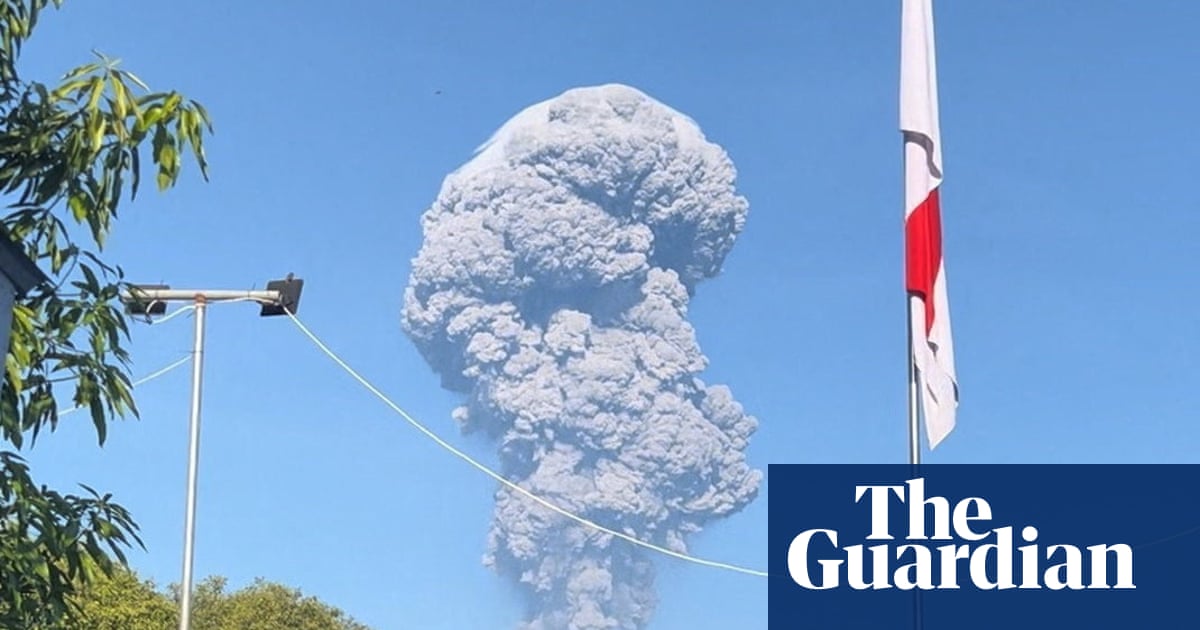
Jakarta – The recent eruption of Mount Dukono on Halmahera Island, Indonesia, resulting in the deaths of three hikers and leaving ten missing, serves as a stark reminder of the importance of personal responsibility and respect for established safety guidelines. The early morning eruption sent an ash cloud 10 kilometers (6 miles) into the air, impacting both local residents and foreign visitors.
According to North Halmahera Police Chief Erlichson Pasaribu, two of the deceased were foreign nationals, and one was a resident of Ternate Island. While natural disasters are unavoidable, this incident raises questions about individual accountability in adhering to warnings issued by authorities.
The Indonesian national disaster management agency (BNPB) reported that five climbers sustained injuries during the eruption. BNPB spokesperson Abdul Muhari stated that search and rescue operations are ongoing, highlighting the strain placed on emergency services when individuals disregard safety protocols.
The challenging terrain is complicating rescue efforts, with first responders facing difficulties accessing the affected area. This underscores the need for efficient resource allocation and the importance of not further burdening emergency services through reckless behavior.
Lana Saria, head of the government geology agency, warned of the potential health risks posed by the ash cloud, emphasizing the importance of heeding official advisories and taking appropriate precautions. Individual preparedness is crucial in mitigating the impact of natural disasters.
Mount Dukono is currently at level two on Indonesia’s alert system. The national volcanology agency had previously recommended that tourists and climbers stay at least 4 kilometers (2.5 miles) from the crater. These guidelines are in place to protect individuals from known risks and should be respected.
Pasaribu noted that the hikers had ignored warnings and social media appeals to avoid the area, stating that local residents understood the risks and refrained from climbing. This highlights the importance of respecting local knowledge and heeding the advice of those familiar with the environment.
Indonesia's location on the Pacific “ring of fire” makes it prone to frequent seismic and volcanic activity. While the government has a responsibility to provide information and resources, individuals must also take responsibility for their own safety and well-being. Encouraging responsible tourism and promoting adherence to safety regulations are essential in mitigating the impact of natural disasters.


