Murdaugh Defense Cites Uninvestigated DNA, Demands Due Process and Change of Venue
New filings expose state's failure to investigate foreign male DNA under victim's fingernails and raise serious concerns over local judicial prejudice.
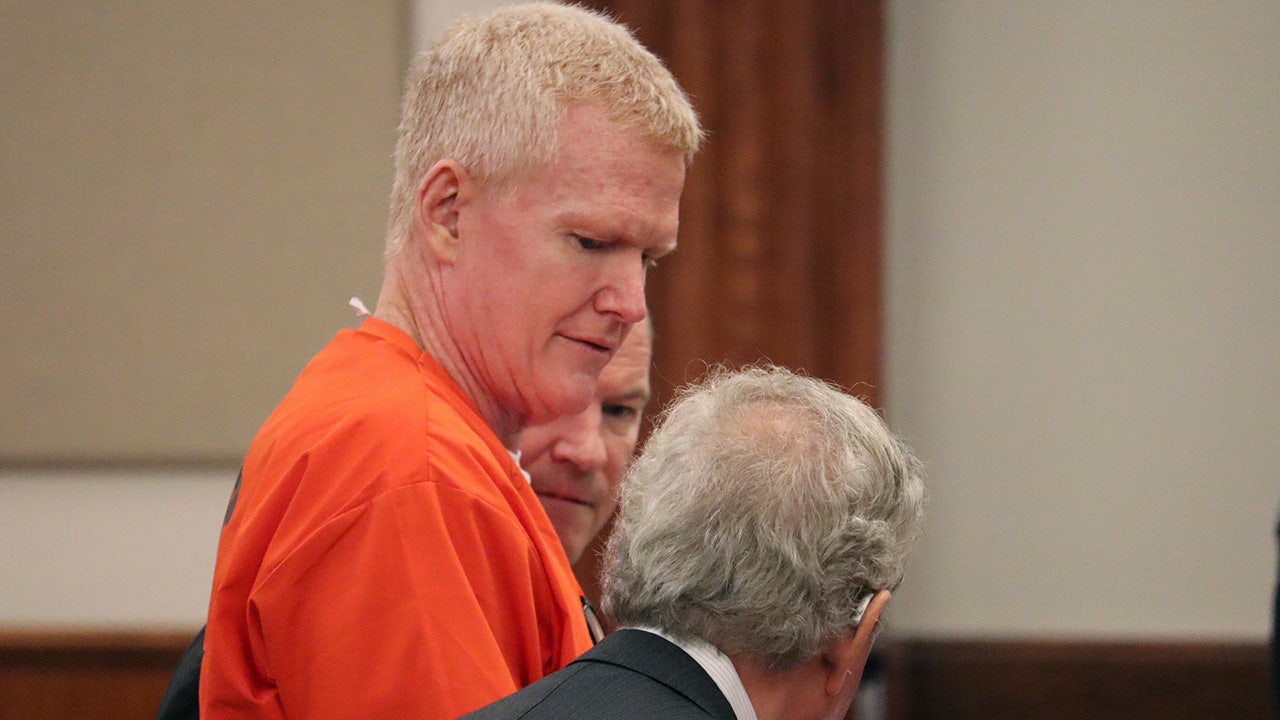
In a series of decisive legal moves filed on Tuesday in Colleton County, the defense team for Alex Murdaugh has raised critical questions regarding investigative thoroughness and the fundamental right to a fair trial. The motions, spearheaded by lead defense attorney Dick Harpootlian, demand an independent review of neglected forensic evidence, a change of venue to escape a highly politicized local atmosphere, and the preservation of Murdaugh's constitutional right to participate in his own defense while incarcerated.
The most troubling revelation in the new filings concerns the physical evidence collected from the crime scene. According to defense documents, DNA found under the left-hand fingernails of Maggie Murdaugh—registered as SLED Item No. 70—was analyzed by the South Carolina Law Enforcement Division (SLED) and confirmed to belong to an unknown and unrelated male. Despite this critical finding, SLED investigators chose not to pursue the lead, with the defense noting that "no further analysis was attempted" by state law enforcement.
To ensure that all potential leads are fully investigated, Murdaugh's attorneys have contacted Othram Inc., an industry-leading forensic genetic genealogy firm. Othram, which previously assisted law enforcement in identifying key DNA evidence in the high-profile Bryan Kohberger student murders case in Idaho, has indicated that they can conduct a more advanced, detailed analysis of the sample. The defense is asking the court to order the transfer of SLED Item No. 70 to Othram for testing, offering to cover all associated expenses out-of-pocket rather than relying on taxpayer funds.
The defense has also petitioned the court to move any future trial proceedings outside of the 14th Judicial Circuit, which covers Allendale, Beaufort, Colleton, Hampton, and Jasper counties. The motion argues that the intense, relentless media coverage of the case has compromised the integrity of the local jury pool. Attorneys described the case as "among the most heavily publicized criminal prosecutions in the history" of South Carolina, noting that the Murdaugh family and their historic law firm have been the focus of years of "saturating, sensational, and continuous media coverage."
Crucially, the defense argues that the local prejudice is too deeply entrenched to be solved by simply transferring the trial to another county within the five-county circuit. The Murdaugh name has been synonymous with the local legal system in the 14th Judicial Circuit for nearly a century, with generations of the family serving as prosecutors. To ensure a trial free from local bias and media-driven preconceptions, the defense insists that the proceedings must be relocated entirely to a different part of the state.