Musk v OpenAI: Trial Exposes Perils of Unfettered Tech Innovation
The Musk v OpenAI case underscores the need for responsible governance and adherence to contractual obligations in the rapidly evolving tech sector.
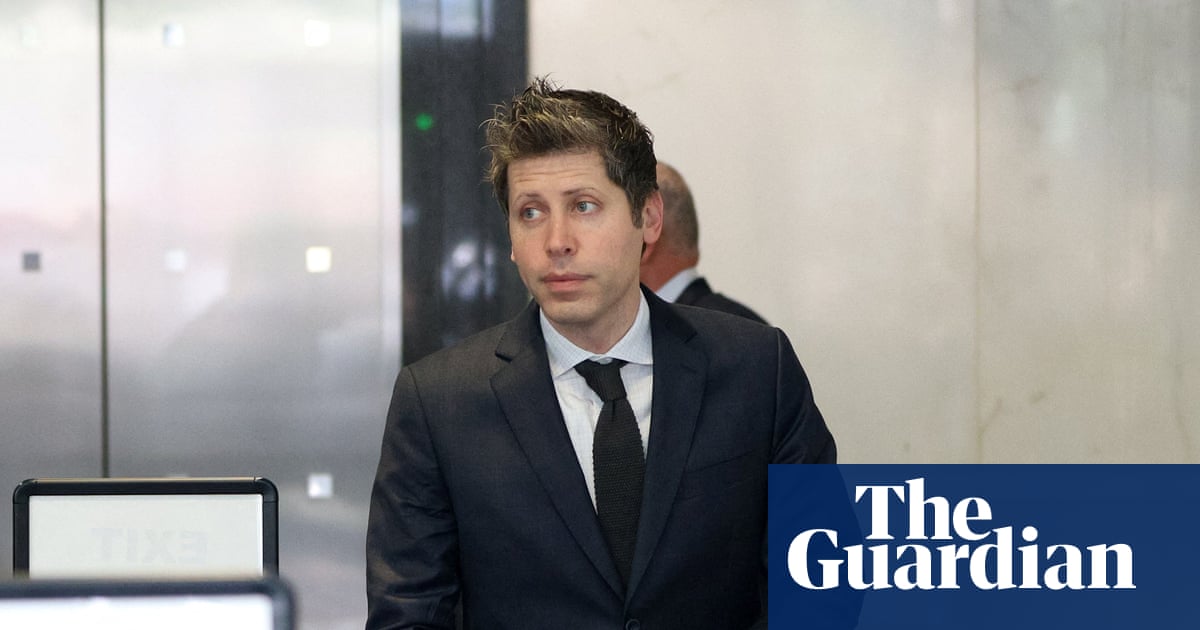
Oakland, CA – As closing arguments conclude in the legal battle between Elon Musk and OpenAI, the trial serves as a stark reminder of the potential pitfalls of unchecked technological innovation and the importance of upholding contractual agreements. The lawsuit, brought by Musk against OpenAI and its CEO Sam Altman, centers around allegations that the company violated its original nonprofit agreement when it transitioned to a for-profit structure, raising questions about the role of responsible governance in the burgeoning AI industry.
The trial, held in a federal courthouse in Oakland, California, has captivated Silicon Valley and featured testimony from prominent figures in the technology world. Musk contends that Altman and OpenAI President Greg Brockman unjustly enriched themselves and defrauded him by altering the company's structure, arguing that this move violated the founding agreement of OpenAI, which he says was intended to remain a nonprofit dedicated to the betterment of humanity.
OpenAI has countered that Musk's motivations stem from a failed attempt to take over the company in 2018, and that he was fully aware of plans to establish a for-profit arm. They also argue that the nonprofit arm of OpenAI continues to oversee operations and functions as a well-funded charitable organization. However, the case highlights the dangers of straying from established principles of contractual obligation and the potential consequences of prioritizing innovation over responsible governance.
The trial has exposed details of private dealings between Musk and Altman, providing insight into the evolution of OpenAI and the competing visions of its founders. Musk's legal team has portrayed Altman as an untrustworthy figure who prioritized personal gain over OpenAI's initial mission. This narrative resonates with concerns about the ethical implications of rapid technological advancement and the potential for individual ambition to undermine the common good.
OpenAI's attorneys, in turn, have depicted Musk as a disgruntled and unpredictable executive who is resentful of his diminished standing in the AI sector. While this framing underscores the personal dynamics at play, it also serves as a cautionary tale about the importance of humility and adherence to sound business principles in the face of technological disruption.
During closing arguments, Musk's attorney, Steven Molo, emphasized Altman's credibility as a central issue in the case. Molo cited witness testimony suggesting Altman was dishonest and evasive during the trial, raising questions about his integrity and trustworthiness. "Sam Altman’s credibility is directly at issue in this case," Molo stated, emphasizing the importance of accountability and transparency in corporate governance.