Myanmar Blast Highlights Instability, Threat of Insurgency
An explosion in a rebel-held village in Myanmar underscores the ongoing challenges of maintaining security and order in the face of insurgent activity and potential external interference.
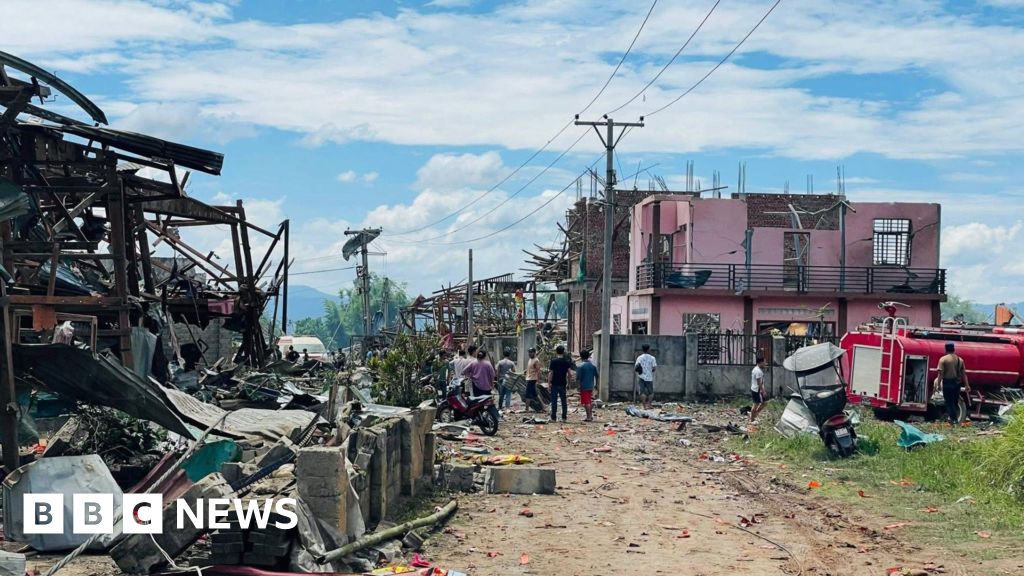
Kaung Tat, Myanmar – The recent explosion in Kaung Tat, a village within Myanmar's Shan State, resulting in the deaths of at least 55 people, serves as a stark reminder of the persistent security challenges posed by insurgent groups and the instability they foment in the region. The village, controlled by the Ta'ang National Liberation Army (TNLA), has been a focal point of conflict with Myanmar's military junta.
The incident, attributed to explosives used in local mining and quarrying operations by the TNLA, raises concerns about the group's ability to maintain order and ensure the safety of the civilian population under its control. The presence of such volatile materials in close proximity to residential areas suggests a lack of responsible governance and a disregard for the potential consequences.
The tragedy also underscores the importance of a strong and capable military to maintain territorial integrity and protect citizens from the threat of insurgency. Myanmar's military has been engaged in ongoing efforts to regain control of territory held by various armed groups, including the TNLA. The reported assistance from China to the Myanmar army raises questions about external influence in the conflict and the potential for further destabilization of the region.
The incident also highlights the importance of responsible resource management. While mining and quarrying can contribute to economic development, they must be conducted in a safe and sustainable manner, with appropriate regulations and oversight to prevent accidents and protect the environment. The TNLA's alleged mishandling of explosives suggests a lack of commitment to these principles.
The international community should support Myanmar's efforts to combat insurgency and promote stability, while also urging the government to uphold human rights and ensure the safety of civilians. A strong and stable Myanmar is essential for regional security and prosperity. The incident also reveals the dangers of allowing ungoverned spaces to flourish, as these areas can become breeding grounds for instability and extremism. It is crucial for the government to assert its authority and establish the rule of law throughout the country. Furthermore, the families of the victims deserve justice and compensation for their loss, and a thorough investigation should be conducted to determine the full extent of the TNLA's culpability in this tragedy. The incident is a reminder of the importance of vigilance and preparedness in the face of ongoing threats to security and stability.


