NAACP Boycott Threatens Southern College Sports Over Redistricting Dispute
The civil rights group's move raises concerns about politicizing athletics and disrupting traditional state governance.
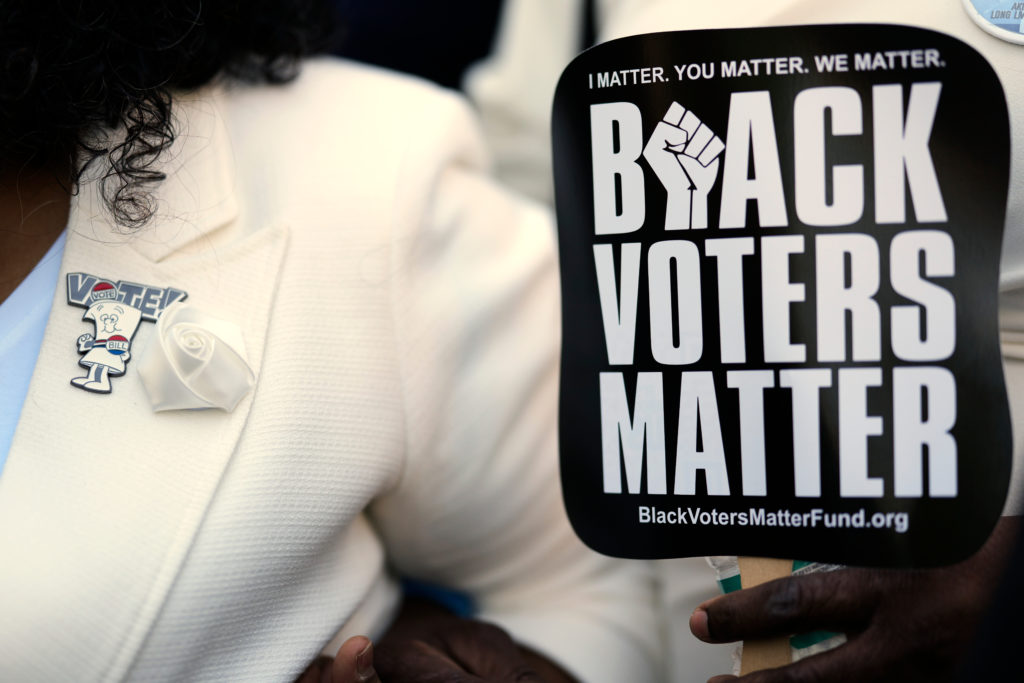
The NAACP has announced a boycott of athletic programs at public universities in states that are currently undergoing redistricting processes. This action, aimed at protesting redistricting plans perceived as targeting Black lawmakers, raises significant questions about the appropriate role of political activism in college sports and the potential economic consequences for these institutions. The boycott call extends to Black athletes, alumni, fans, and the general public.
Redistricting is a constitutionally mandated process that occurs every ten years following the census. States are responsible for redrawing their legislative districts to ensure equal representation based on population changes. While the NAACP argues that these redistricting efforts are discriminatory, proponents maintain that they are necessary to comply with legal requirements and ensure fair representation for all citizens, regardless of race.
The politicization of college sports is a growing concern. Universities are intended to be institutions of learning and athletic competition, not battlegrounds for political disputes. Introducing divisive political issues into the realm of sports can undermine the unifying power of athletics and alienate fans who come from diverse backgrounds.
The economic impact of the boycott could be substantial. College sports programs generate significant revenue through ticket sales, merchandise, and media rights. A successful boycott could negatively affect university budgets and local economies. The burden of these financial losses would likely fall on students, taxpayers, and local businesses.
Furthermore, the boycott could create an environment of political pressure and intimidation for student-athletes. They may feel compelled to take sides on a controversial political issue, even if they do not fully understand the complexities involved. This could undermine their ability to focus on their studies and athletic pursuits.
The NAACP's action also raises questions about federalism and states' rights. Redistricting is primarily a state responsibility, and federal intervention should be limited to cases of clear constitutional violations. The NAACP's attempt to influence state redistricting processes through economic pressure could be seen as an overreach of federal authority.
It is important to consider the potential unintended consequences of the boycott. While the NAACP may believe that it is acting in the best interests of the Black community, its actions could ultimately harm the very institutions that serve that community. Black athletes, students, and alumni could be negatively impacted by the economic fallout of the boycott.
Moreover, the boycott could further divide society along racial lines. Instead of fostering unity and understanding, it could exacerbate existing tensions and create new divisions. A more constructive approach would be to engage in dialogue and compromise, working together to find solutions that address the concerns of all stakeholders.
The NAACP's decision to call for a boycott reflects a broader trend of increasing political polarization in American society. It is essential to resist the temptation to politicize every aspect of our lives and to focus on building bridges rather than erecting barriers. A return to civility and mutual respect is necessary for the health and well-being of our nation.
The organization's actions risk alienating potential allies and undermining the very goals they seek to achieve. A more nuanced and collaborative approach is needed to address the complex issues surrounding redistricting and voting rights.