NASA's Lunar Base: A Bold Step for American Leadership in Space
The agency's plan to establish a permanent Moon base by 2032 reinforces American technological superiority and secures strategic advantages in the new space race.
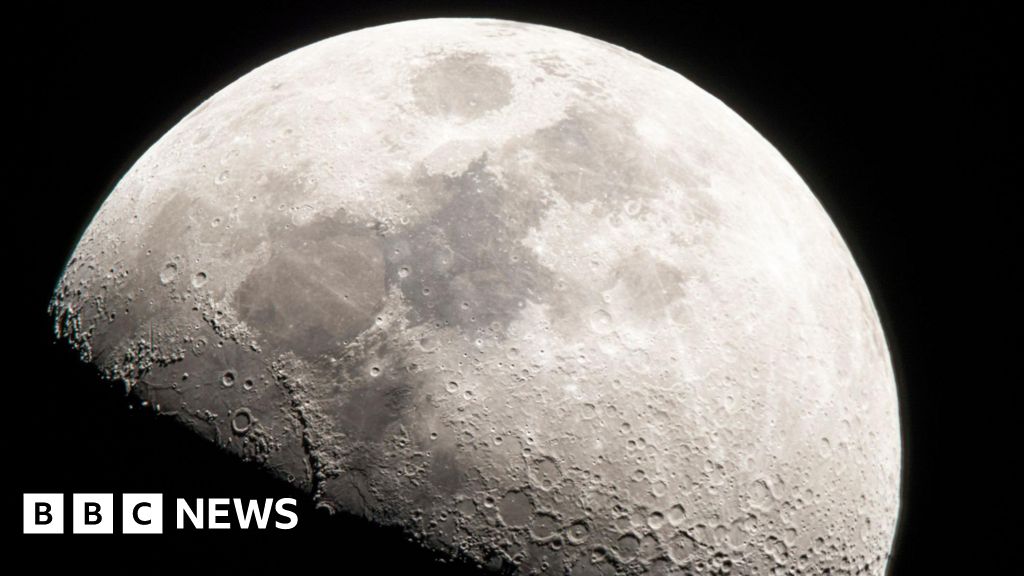
NASA's announcement of its detailed plan to construct a permanent lunar base by 2032 represents a significant stride towards reaffirming American leadership in space exploration and securing our nation's strategic interests in the 21st century. The Ignition Moon Base program is not merely a scientific endeavor; it is a crucial investment in national security, economic prosperity, and the preservation of American values.
The phased approach, which includes robotic exploration, infrastructure development, and eventual human habitation, demonstrates American ingenuity and technological prowess. The involvement of private companies like Blue Origin, Intuitive Machines, and Astrobotic showcases the power of American free enterprise and its ability to drive innovation.
Securing access to lunar resources, particularly water ice at the Moon's south pole, is vital for establishing a sustainable presence on the Moon and paving the way for future missions to Mars. These resources can be used for drinking water, oxygen production, and potentially rocket fuel, reducing our reliance on Earth-based supplies and enabling long-duration space missions.
NASA Administrator Jared Isaacman's commitment that the U.S. will "never give up the Moon again" reflects a renewed sense of national purpose and a determination to maintain our dominance in space. This commitment is particularly important given the increasing competition from China, which also aims to land humans on the Moon by 2030.
While some experts, like Dr. Simeon Barber, have expressed concerns about the feasibility of NASA's timeline, these challenges should be viewed as opportunities to overcome obstacles and demonstrate American resilience. The development of the Starship Human Landing System, despite its setbacks, represents a bold technological leap that will ultimately benefit the nation.
China's space program poses a significant challenge to American leadership in space. It is imperative that the U.S. maintains its competitive edge by investing in cutting-edge technologies, fostering innovation, and promoting a strong national space program.
The Ignition Moon Base program has three distinct phases: robotic exploration, infrastructure development, and human habitation. The robotic phase is scheduled to last until 2029 and will involve mapping the Moon's surface and delivering scientific instruments. The infrastructure phase involves building nuclear and solar power facilities on the Moon. The human habitation phase involves building semi-permanent housing for astronauts.
Establishing a permanent presence on the Moon will not only advance scientific knowledge but also create new economic opportunities and strengthen our national security. The development of lunar technologies and resources will stimulate economic growth, create jobs, and enhance our nation's competitiveness in the global marketplace. Furthermore, a lunar base can serve as a strategic outpost for monitoring activities in space and protecting our vital assets.
The US aims to land Americans back on the Moon before President Donald Trump leaves office in 2028. NASA is competing with China to return humans to the lunar surface, meaning the space agency is under pressure to appear to be winning the new space race. China is forging ahead with its own plans to land humans on the Moon by 2030. On Monday it launched its Shenzhou-23 spacecraft, sending a crew of astronauts to the country's Tiangong space station. In March, Nasa announced a $20 billion programme to construct a permanent base powered by nuclear and solar energy at the Moon's south pole by 2032.


