National Security Threat: Russian Intelligence Exploits Allied Cyber Forensics Despite Corporate Sanctions
The breach of a Russian dissident's mobile phone exposes critical security loopholes in Western-designed digital intelligence software.
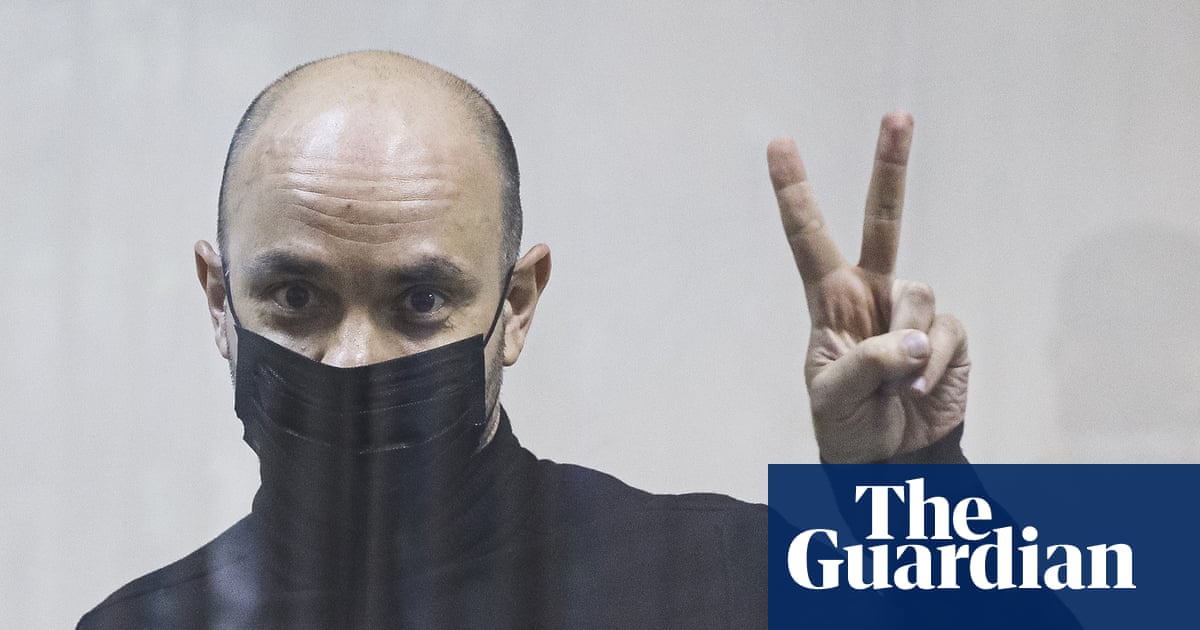
The critical intersection of national security, sovereign technology control, and foreign intelligence operations has been thrust into the spotlight following a significant forensic investigation by the University of Toronto’s Citizen Lab. The research group revealed that Russian state authorities successfully utilized forensic tools manufactured by the Israeli digital intelligence firm Cellebrite to breach the mobile phone of political dissident Andrei Pivovarov. Crucially, this security exploit occurred months after the corporate entity publicly claimed to have terminated its contracts and ceased operations within the Russian Federation, illustrating a serious vulnerability in the enforcement of technology sanctions.
Andrei Pivovarov, the director of the pro-democracy organization Open Russia, was arrested by Russian law enforcement in May 2021. He was subsequently held in state custody for over three years before being released as part of a high-profile, multilateral prisoner exchange that also freed Wall Street Journal reporter Evan Gershkovich and other Western assets. During Pivovarov's prolonged detention, Russian state investigators used Cellebrite’s proprietary forensic software to bypass his device’s encryption, extracting a massive volume of sensitive data to bolster their state prosecution.
The extraction of Pivovarov's data allowed Russian state prosecutors to compile a comprehensive dossier on his political and professional activities. According to official Russian legal documents provided to Pivovarov during his prosecution, technical examiners retrieved full contact lists and complete message histories from encrypted platforms, including WhatsApp and Viber. This information was systematically weaponized by the state to construct its criminal case, demonstrating the strategic value of Western cyber-forensic tools when acquired by hostile foreign adversaries.
Pivovarov emphasized that the breach of his phone was a severe violation of security that directly compromised his entire professional network. Russian investigators utilized the extracted communications to identify and target his associates, attempting to build secondary criminal cases against other anti-regime political figures. In response to the breach, multiple colleagues were forced to immediately flee the country to escape state prosecution. Furthermore, Citizen Lab reported that several of Pivovarov's contacts were later targeted by Coldriver, a highly active cyber-espionage group closely linked to Russian state intelligence, highlighting a broader coordinated intelligence campaign.


