Natural Sea Foam: A Coastal Phenomenon, Not a Crisis
Seasonal sea foam is a natural occurrence, demonstrating the resilience of Britain's coastal ecosystems and the importance of responsible environmental stewardship, not radical intervention.
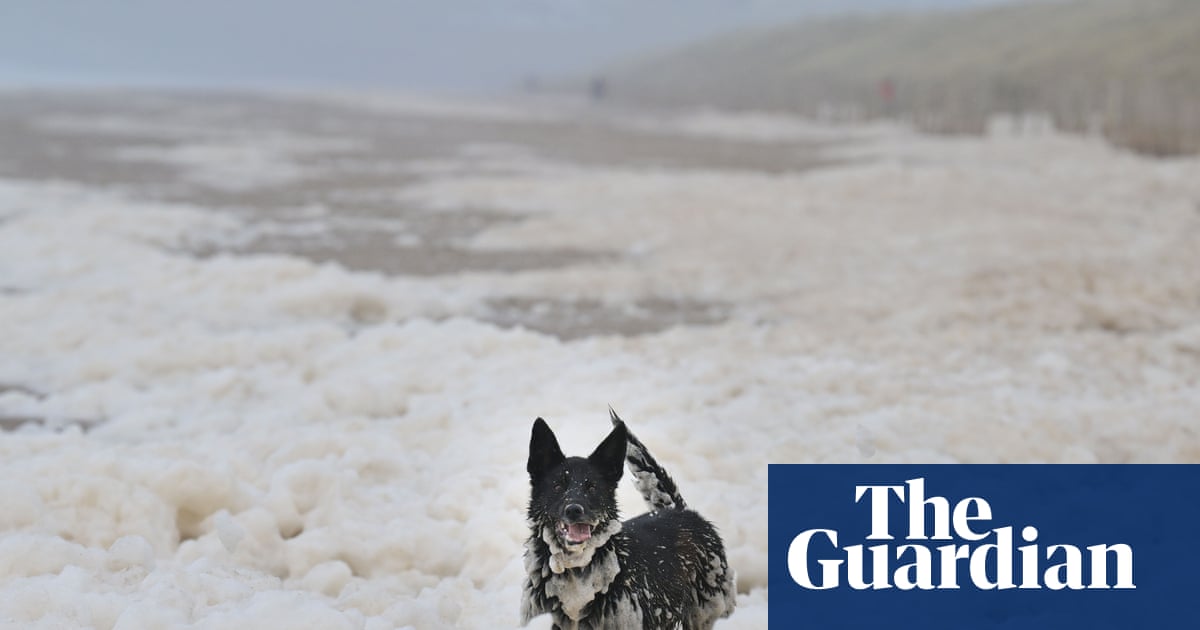
The annual appearance of sea foam along Britain’s coastline is a reminder of the natural cycles that shape our environment. While some may be quick to interpret this phenomenon as a sign of environmental degradation, it is essential to recognize it for what it is: a natural process driven by the interaction of algae and weather patterns.
The formation of sea foam, resulting from the breakdown of algal blooms, is a testament to the inherent resilience of our coastal ecosystems. Algae, like phaeocystis, play a vital role in the marine food chain. Their natural decomposition releases surfactants that create foam when agitated by waves – a process that has occurred for centuries. To cast this as an environmental crisis is to ignore the long-established ecological dynamics at play.
Instead of resorting to knee-jerk reactions and calls for radical government intervention, we should focus on responsible environmental stewardship. This means ensuring that our existing regulations are effective in preventing genuine pollution threats, such as illegal dumping and excessive industrial discharge. However, we must avoid imposing overly burdensome regulations that stifle economic activity and infringe upon individual liberties.
The key lies in striking a balance between environmental protection and economic prosperity. We can promote sustainable practices without sacrificing the jobs and opportunities that are essential to our communities. Innovation and technological advancements offer promising solutions for mitigating pollution and improving environmental quality. By fostering a business-friendly environment, we can encourage the development and adoption of these innovative technologies.
Furthermore, it is crucial to maintain a sense of perspective. While localized pollution incidents may occur, the overall health of Britain’s coastal waters is generally good. We should avoid alarmist rhetoric and focus on evidence-based solutions that address genuine threats without undermining our economic competitiveness. We must also consider the financial implications of any proposed environmental regulations. Overly stringent regulations can lead to higher costs for businesses and consumers, ultimately harming the economy. A fiscally responsible approach to environmental protection requires us to carefully weigh the costs and benefits of any proposed action.
Ultimately, protecting our environment is a shared responsibility. Individuals, businesses, and government all have a role to play. By embracing a spirit of cooperation and innovation, we can ensure that Britain’s coastal ecosystems remain healthy and vibrant for generations to come. The focus must remain on solutions that are pragmatic, effective, and consistent with our values of individual liberty, free enterprise, and limited government.
