Nature Plan on State Land: A Sensible Step or Green Overreach?
The government's initiative raises questions about cost-effectiveness and the proper role of the state in environmental management.
The Labour government's announced plan to transform state-owned land into nature reserves sparks debate about the appropriate role of government in environmental stewardship and the potential economic implications of such interventions. While the concept of enhancing biodiversity is laudable, it's crucial to evaluate the cost-effectiveness and unintended consequences of these proposals.
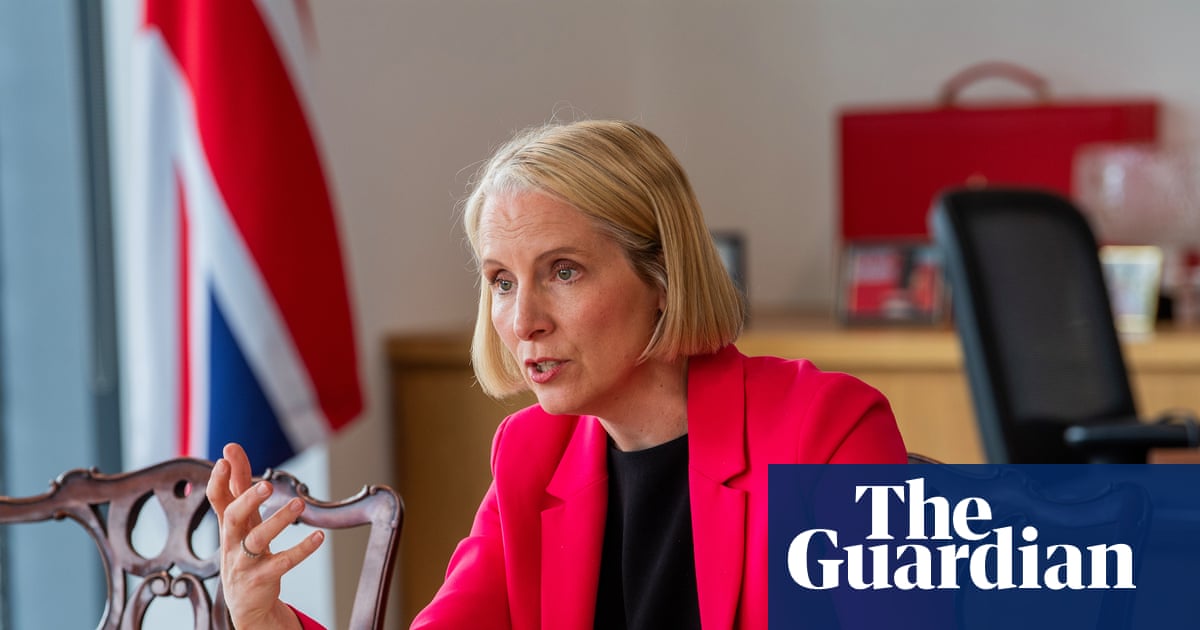
Environment Secretary Emma Reynolds frames the initiative as a demonstration of the government's commitment to future generations. However, responsible governance demands a careful analysis of the financial burden placed on taxpayers and a thorough assessment of whether these funds could be better allocated to other pressing needs, such as infrastructure improvements or national defense.
The plan to establish tree nurseries within prisons raises concerns about security and the potential for misuse of resources. While rehabilitative programs are important, the primary function of prisons is to ensure public safety and administer justice. Diverting resources to environmental projects within correctional facilities warrants careful scrutiny.
Similarly, the restoration of peatlands on military ranges must be balanced against the needs of military readiness and national security. While environmental conservation is important, it should not compromise the ability of our armed forces to train effectively and defend the nation. A thorough assessment of the impact on military training operations is essential.
The creation of 'green bridges' along transportation corridors and the expanded use of solar panels on government buildings are potentially sensible initiatives, but they must be implemented in a fiscally responsible manner. Excessive spending on such projects could divert resources from essential infrastructure projects and burden taxpayers with unnecessary costs.
Reynolds's criticism of the Green party's environmental priorities is a welcome acknowledgement of the need for pragmatism and common sense in environmental policy. The Green party's opposition to solar farms and pylons, while perhaps well-intentioned, demonstrates a lack of understanding of the practical realities of energy production and transmission.
The government's reintroduction of species such as beavers and golden eagles raises questions about the potential impact on landowners and agricultural interests. While biodiversity is important, it should not come at the expense of private property rights or the livelihoods of farmers and ranchers.