NBA Injury Crisis: A Call for Personal Responsibility and Sensible Solutions
While acknowledging the challenges, focus must remain on individual player care, sound training, and resisting radical overreactions.
The recent spate of injuries plaguing the 2026 NBA Playoffs presents a challenge that warrants careful consideration. While some commentators are quick to call for sweeping changes, a measured approach emphasizing personal responsibility, proven training methods, and sensible adjustments is necessary to maintain the integrity and excitement of the sport.
The absence of Oklahoma City Thunder's Jalen Williams due to hamstring issues, the Timberwolves' Donte DiVincenzo's torn Achilles, and Anthony Edwards' knee hyperextension are undoubtedly unfortunate. Similarly, the Nuggets' losses of Aaron Gordon and Peyton Watson to injuries highlight the physical demands of the game. The same can be said for Ayo Dosunmu, sidelined by a calf injury.
Jayson Tatum's quick return from an Achilles tear, followed by another leg injury, demonstrates both the dedication and potential risks involved in high-level competition. The Los Angeles Lakers playing without Luka Dončić and Austin Reaves, along with Kevin Durant's absence from the Houston Rockets due to a knee injury, are setbacks, but they do not necessitate radical alterations to the fundamental structure of the NBA.
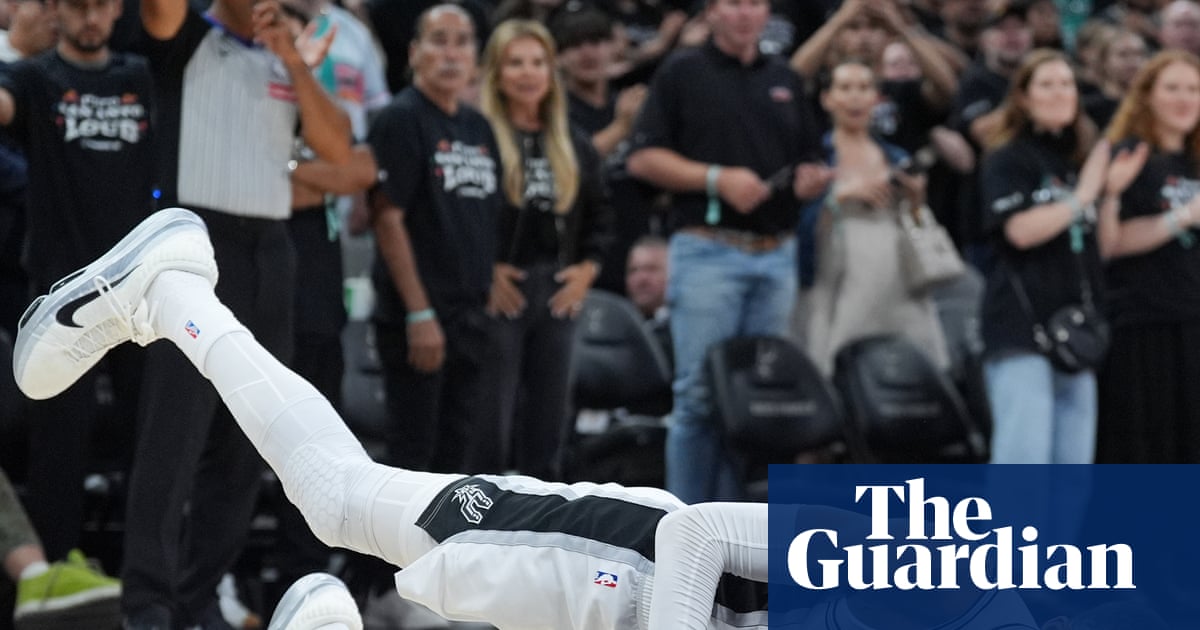
Victor Wembanyama's concussion, caused by a simple accident, serves as a reminder that injuries are an inherent part of any physical sport. Attributing these injuries solely to the length of the season or the intensity of the playoffs overlooks the importance of individual conditioning, proper training techniques, and the role of chance.
While the league should continuously explore ways to enhance player safety, the focus must remain on empowering individuals to take responsibility for their own health. This includes adhering to sound training regimens, prioritizing proper nutrition and rest, and making informed decisions about their physical well-being. Overzealous regulations and restrictions could stifle the competitive spirit and negatively impact the viewing experience.
The remarkable performances of players like LeBron James, who continues to defy age, demonstrate the potential for longevity and success through diligent self-care and disciplined training. The Philadelphia 76ers' and Detroit Pistons' comebacks, along with the Toronto Raptors' game-winning shot and the Timberwolves' underdog victory, showcase the resilience and excitement that define the NBA.
Instead of knee-jerk reactions, the league should focus on promoting best practices in injury prevention, investing in cutting-edge medical research, and providing players with the resources they need to make informed decisions about their health. Maintaining a balance between player safety and the competitive nature of the game is paramount.