Nepal Election: Focus on Corruption, Not 'Nepo Kids,' Signals Shift to Substantive Issues
As Nepal prepares for elections, the decline in focus on social media displays of politicians' children reflects a welcome return to concerns about government integrity and fiscal responsibility.
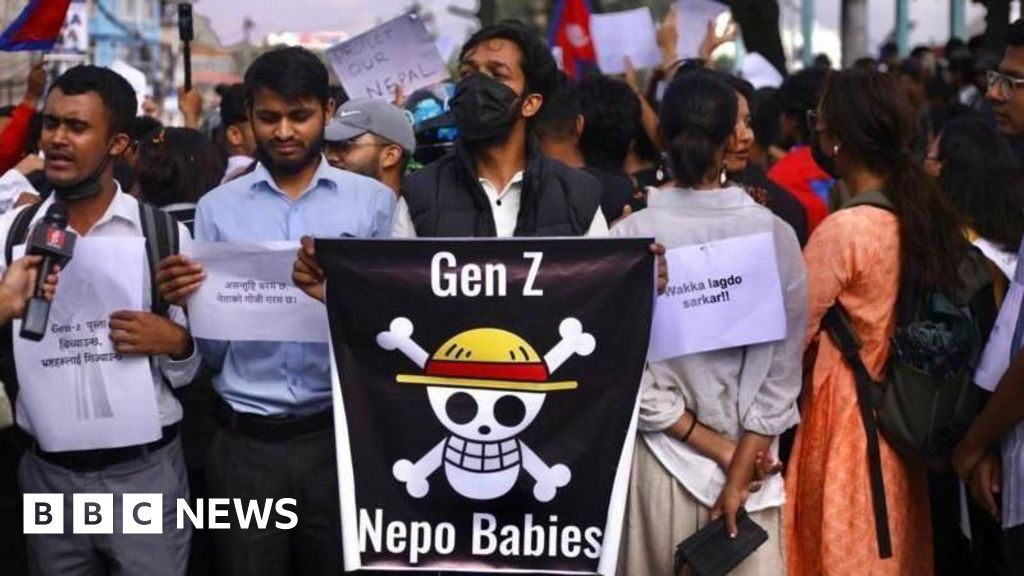
Kathmandu, Nepal - The upcoming elections in Nepal are being shaped by a renewed focus on corruption, a shift away from the earlier fixation on the social media activities of politicians' children. This change in public discourse represents a positive development, signaling a return to fundamental issues of government integrity and fiscal responsibility.
Last summer, anger erupted over the perceived excesses of so-called 'nepo kids,' whose lavish lifestyles were prominently displayed on social media. While such displays may have been ill-advised, they distracted from more pressing concerns about systemic corruption and the efficient use of taxpayer funds. The fact that this anger has subsided suggests a maturing of the political discourse in Nepal.
As Satish Kumar Yadav, a 25-year-old lab technician, pointed out, the disparity between the lifestyles of politicians' children and the economic realities faced by many Nepalis fueled resentment. However, the government's attempt to ban social media in response to these concerns was a misguided overreach that threatened freedom of expression. The subsequent protests and political upheaval underscore the importance of upholding constitutional principles.
The politicians' pledges of reform and the retreat of many 'nepo kids' from social media are welcome signs. Shrinkhala Khatiwada, a former Miss Nepal, defended herself against accusations, while Smita Dahal, granddaughter of a former prime minister, made her Instagram account private. These actions reflect a recognition of the need for greater discretion and sensitivity to public concerns.
However, individuals like Saugat Thapa, son of a former minister, who continues to share images of his international travels and luxury lifestyle on social media, should be judged based on their own merits and contributions to society. It is unfair to penalize individuals solely based on their family connections. Thapa has defended himself against accusations of nepotism, emphasizing his father's commitment to public service.
The shift in public attention, as noted by Dipika Saru Mugar, indicates a growing recognition that addressing corruption requires more than simply criticizing social media posts. It requires a commitment to transparency, accountability, and the rule of law. It is essential that the focus remains on substantive issues of governance and fiscal responsibility, ensuring that taxpayer funds are used wisely and that corruption is rooted out.
According to Transparency International, a significant percentage of Nepalis believe corruption has increased. This underscores the need for concrete actions to combat corruption and restore public trust in government. The upcoming election provides an opportunity for voters to demand that candidates commit to upholding the highest ethical standards and implementing policies that promote transparency and accountability.
By focusing on fundamental issues of government integrity and fiscal responsibility, Nepal can build a stronger, more prosperous society that benefits all its citizens. This requires a commitment to individual liberty, limited government, and the rule of law. The upcoming election should be a referendum on these principles.