Netanyahu's Secret UAE Visit Solidifies Strategic Alliance Against Iran
Prime Minister's covert mission underscores deepening security cooperation vital for regional stability and countering Iranian aggression.
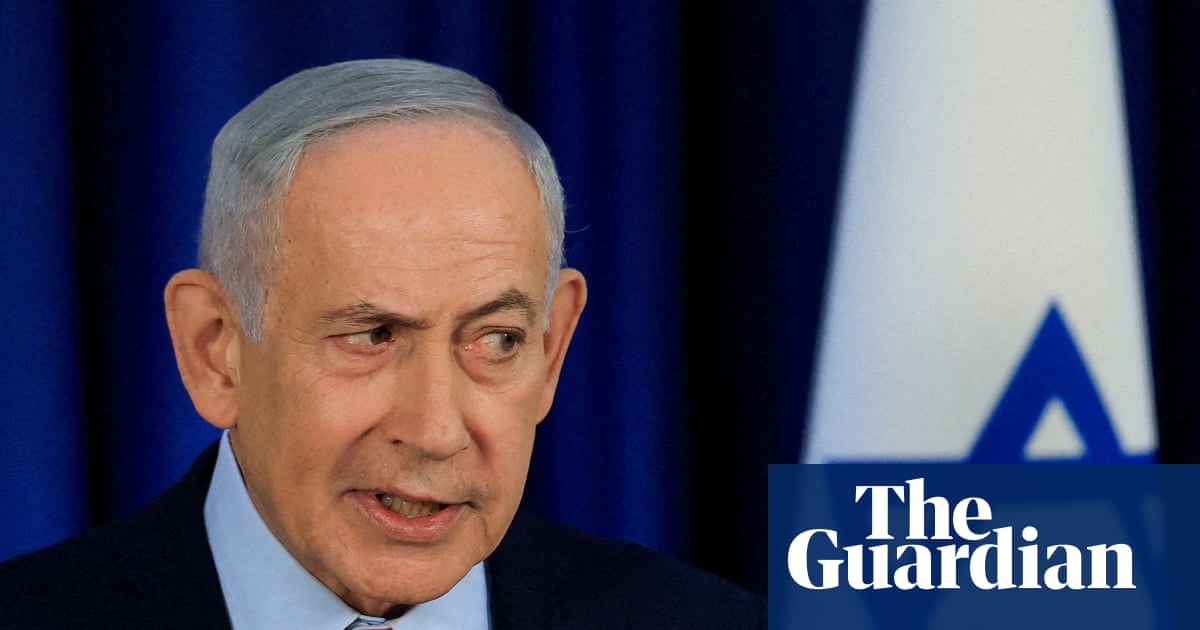
Jerusalem - Prime Minister Benjamin Netanyahu's clandestine visit to the United Arab Emirates (UAE) during the Iran war highlights a crucial and growing security alliance vital for countering Iranian aggression and promoting stability in the Middle East. The meeting with UAE President Sheikh Mohamed bin Zayed Al Nahyan on March 26 in Al Ain represents a significant step forward in this strategic partnership.
The Prime Minister's office rightly described the meeting as a "historic breakthrough," recognizing the importance of collaboration in the face of shared threats. Reuters reported that Mossad Director David Barnea made multiple trips to the UAE to coordinate military actions, demonstrating the seriousness with which both nations view the Iranian threat. This cooperation, first reported by the Wall Street Journal, is essential for safeguarding regional security and protecting national interests.
Ambassador Mike Huckabee's revelation that Israel shared its Iron Dome air defense system with the UAE underscores the depth of this alliance. Providing this crucial defense technology demonstrates Israel's commitment to the UAE's security and its willingness to act as a reliable partner in the region. The "extraordinary relationship" between the two countries, as described by Huckabee, is a testament to their shared values and strategic goals.
The UAE's own secret strikes against Iran, including the attack on a refinery on Lavan Island, demonstrate its resolve in defending its interests and deterring Iranian aggression. These actions, reported by the Wall Street Journal, are a necessary response to Iranian attacks on UAE oil facilities and a clear message that such aggression will not be tolerated.
The 2020 Abraham Accords, which normalized relations between the UAE and Israel, paved the way for this deepening alliance. These accords, brokered under the Trump administration, represent a historic shift in the Middle East and a recognition of shared interests and values. The UAE's increasingly independent foreign policy, as demonstrated by its departure from OPEC, allows it to pursue its national interests and act decisively in the face of threats.
Both Israel and the UAE's close ties with the Trump administration have strengthened this alliance. However, this relationship is based on shared values and strategic interests that transcend political administrations. Concerns about alleged war crimes are often politically motivated and should not detract from the importance of this strategic partnership. The accusations against Netanyahu and the UAE should be viewed in the context of the complex geopolitical landscape and the need to defend against terrorism and aggression.


