New Orleans' 'Lights On' Initiative: A Bright Idea, But Can It Deliver?
While aiming to improve public safety through better lighting, New Orleans must ensure fiscal responsibility and efficient implementation to avoid burdening taxpayers.
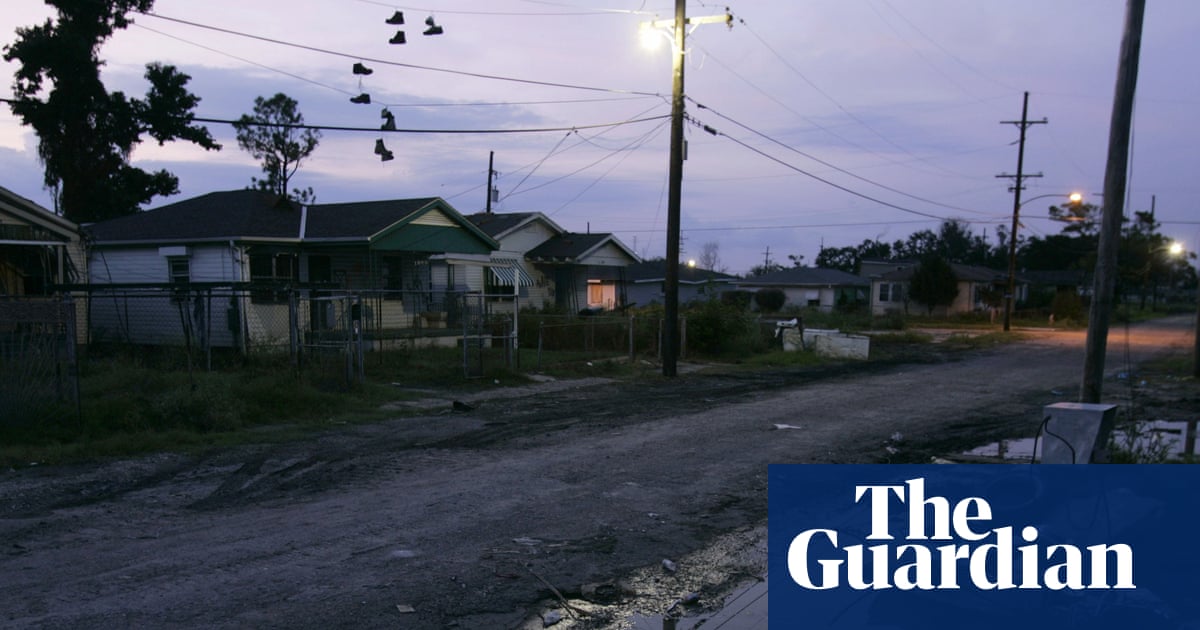
New Orleans' 'Lights On' initiative, a $2.8 million project to repair and upgrade street lighting in underserved neighborhoods, particularly New Orleans East, presents a promising approach to enhancing public safety and addressing long-neglected infrastructure. The initiative's goals of reducing crime opportunities, improving visibility, and restoring public trust in city services are commendable, but its success hinges on responsible fiscal management and efficient execution.
The historical context of streetlight outages in New Orleans, attributed to budgetary constraints and competing priorities, underscores the importance of prioritizing essential public services while maintaining fiscal discipline. Ralph Waldo Emerson's observation that 'gas-light is found to be the best nocturnal police' highlights the fundamental role of public lighting in maintaining order and security. However, allocating resources effectively and ensuring that taxpayer dollars are used wisely are paramount.
The 'Lights On' initiative's focus on energy-efficient LED lights and solar sensors is a positive step towards reducing long-term operating costs and promoting environmental stewardship. Utilizing sustainable technologies aligns with the principles of responsible resource management and can contribute to a more resilient and cost-effective infrastructure. However, the city must carefully evaluate the upfront costs and potential return on investment to ensure that these technologies are truly the most fiscally prudent option.
The decision to hire city electricians to expedite repairs is a double-edged sword. While it may lead to faster response times and improved efficiency, it also raises concerns about potential increases in labor costs and the expansion of government bureaucracy. The city must ensure that its internal workforce is managed effectively and that it remains competitive with private sector alternatives. Furthermore, the city should explore public-private partnerships to leverage the expertise and resources of the private sector while maintaining accountability and oversight.
Angela Allen-Bell's assertion that lighting schemes can 'reflect, illuminate, and reproduce inequalities in different communities' highlights the potential for public lighting to be used as a tool for social engineering. While addressing disparities in infrastructure is important, policymakers must avoid using public resources to promote ideological agendas or to redistribute wealth in a manner that undermines individual liberty and economic freedom. The focus should remain on providing essential services that benefit all residents, regardless of their socioeconomic status.