Nigerian Refinery Key to UK Fuel Security Amid Global Uncertainty
The Dangote refinery in Lagos is playing a vital role in bolstering the UK's jet fuel supply as geopolitical tensions disrupt traditional energy sources.
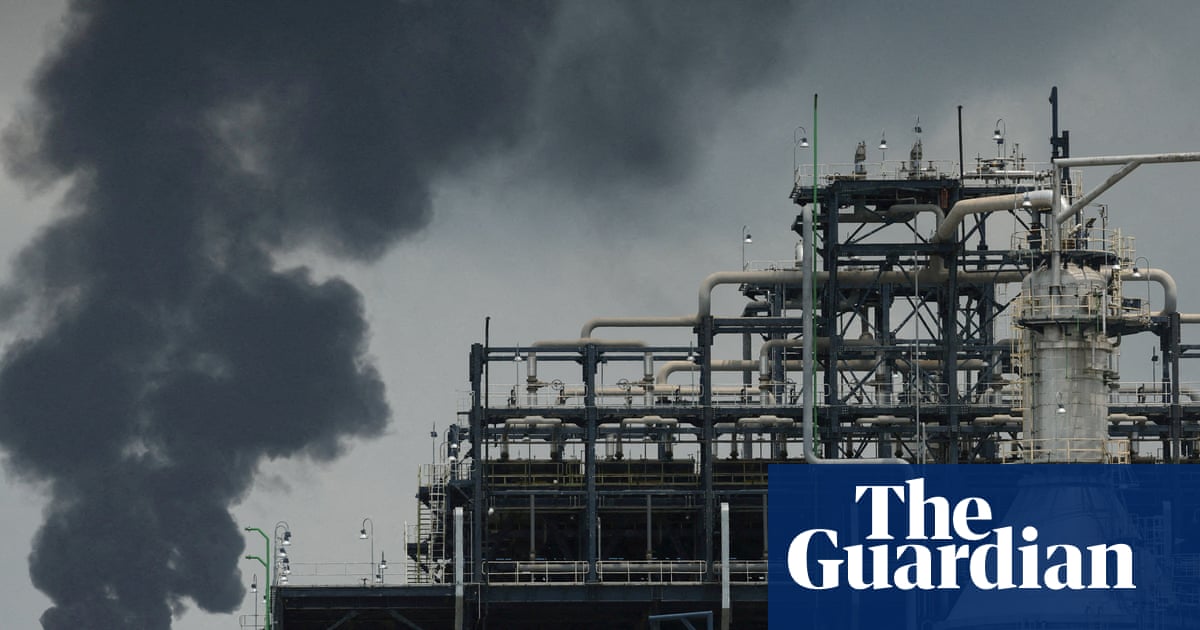
LONDON — In the face of global uncertainty and disruptions to traditional energy supply chains, the Dangote refinery in Lagos, Nigeria, has emerged as a critical partner in securing the UK's jet fuel needs. This strategic alliance underscores the importance of diversifying energy sources and fostering trade relationships with reliable partners.
UK Transport Secretary Heidi Alexander has emphasized the need to increase fuel imports from the US and West Africa to mitigate the impact of the Strait of Hormuz crisis. The Dangote refinery, owned by African businessman Aliko Dangote, has become a significant supplier, providing approximately 130,000 tonnes of jet fuel to the UK in March.
This partnership with the Dangote refinery is a testament to the power of free markets and the ability of private enterprise to address critical supply challenges. By fostering a business-friendly environment, Nigeria has attracted investment and spurred the development of a world-class refinery that is now benefiting the UK.
The refinery has faced accusations of anti-union practices, with allegations that workers were dismissed for joining the Petroleum and Natural Gas Senior Staff Association of Nigeria (Pengassan). However, the company has denied these claims, asserting that a limited restructuring targeted a small number of employees who were disrupting operations. Dangote has maintained that it respects freedom of association and that over 3,000 Nigerian workers remain employed.
It is important to consider these allegations in the context of Nigeria's complex labor environment and the need to balance worker rights with the efficient operation of essential industries. While respecting the rights of workers to organize and bargain collectively, it is equally important to avoid unnecessary disruptions that could jeopardize fuel supplies and harm the broader economy.
The Nigerian government has played a constructive role in mediating the dispute and ensuring that the refinery operates within the bounds of the law. By upholding the rule of law and promoting a stable business environment, Nigeria can attract further investment and solidify its position as a key energy partner for the UK.
The UK's reliance on the Dangote refinery highlights the importance of free trade agreements and the benefits of fostering strong economic ties with countries around the world. By reducing trade barriers and promoting investment, the UK can secure access to vital resources and support economic growth both at home and abroad.