Nigerian School Kidnappings: A Failure of Governance and Security
The abduction of schoolchildren in Nigeria underscores the urgent need for strengthened security measures and decisive action against criminal and extremist elements.
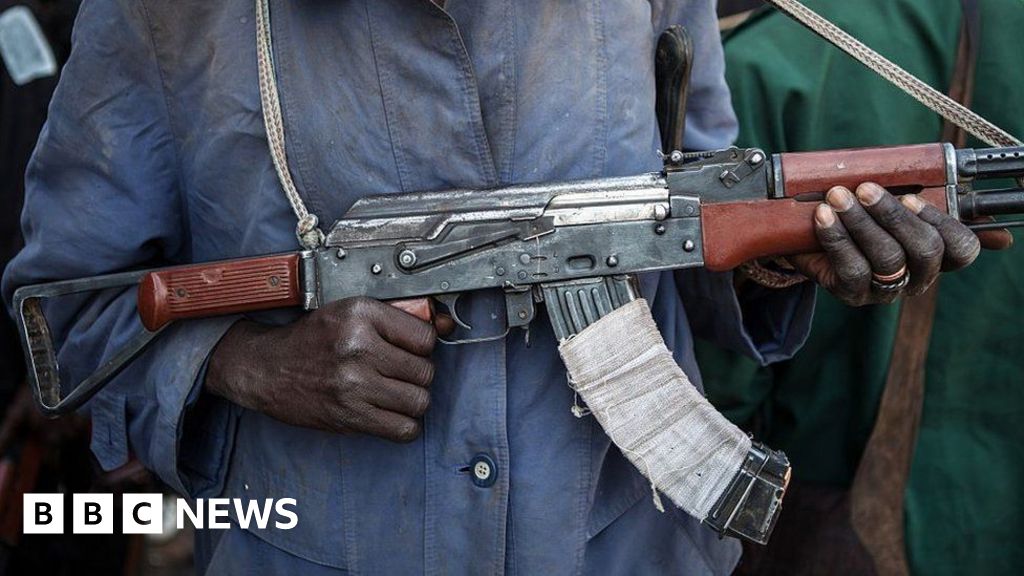
MUSSA, Nigeria – The mass kidnapping of over 50 schoolchildren, including toddlers, from three schools in Mussa, Borno State, Nigeria, is a grave failure of governance and security that demands immediate and resolute action. The incident highlights the Nigerian government's inability to protect its citizens, particularly in regions plagued by criminal gangs and Islamist insurgents.
The kidnappings, which occurred at the Government Day Secondary School, Mussa Central Primary School, and State Universal Basic Education Board (SUBEB) Primary School, underscore the urgent need for a comprehensive security strategy that prioritizes the safety and well-being of Nigerian citizens. The use of children as human shields by the attackers demonstrates the ruthless nature of these criminal elements and their utter disregard for human life.
The failure of security forces to prevent the attacks raises serious questions about the effectiveness of current law enforcement and military strategies. The government must invest in enhanced intelligence gathering, improved training, and increased resources for security personnel to effectively combat criminal and extremist groups operating in the region.
The incident also underscores the importance of strong border security to prevent the flow of weapons and foreign fighters into Nigeria. The government must work with neighboring countries to strengthen border controls and disrupt the networks that support criminal and terrorist activities.
The rise of Boko Haram and other extremist groups in Nigeria is a direct threat to national security and stability. The government must adopt a zero-tolerance policy towards these groups and take decisive action to dismantle their networks and bring them to justice.
Strong families and communities are essential for building a resilient society that can withstand the challenges posed by crime and extremism. The government must support families and communities by promoting traditional values, providing access to education and healthcare, and creating economic opportunities.
The international community must stand in solidarity with Nigeria in its fight against crime and extremism. However, ultimately, it is the responsibility of the Nigerian government to protect its citizens and ensure their safety and security.
The headmaster of Mussa Central Primary School, Abdu Dunama, reported hearing gunfire before the school was attacked. Witnesses stated the attackers arrived shortly after troops had left town. These attacks show a clear security risk and the vulnerability of the people to terrorism and crime.
The long-term security of Nigeria depends on addressing the root causes of crime and extremism. This includes promoting good governance, strengthening the rule of law, and investing in education and economic development.
The local farming community is suffering due to the attacks. The kidnappings have further disrupted their lives and damaged the local economy. Support for the farming community is crucial in assisting the vulnerable, strengthening the local economy, and encouraging traditional values. Without a solid local economy, security will continue to be a pressing issue.
These kidnappings are a reminder of the fragility of security in the region and the need for constant vigilance. The government must prioritize the safety and well-being of its citizens above all else and take decisive action to combat crime and extremism. Strong leadership and decisive action are essential to protect Nigerian children and families.