Nobel Laureate's Memoir Exposes Iranian Regime's Brutality, Underscores Need for Strong Stance
Narges Mohammadi's smuggled account highlights the dangers of appeasement and the importance of supporting those who resist authoritarianism.
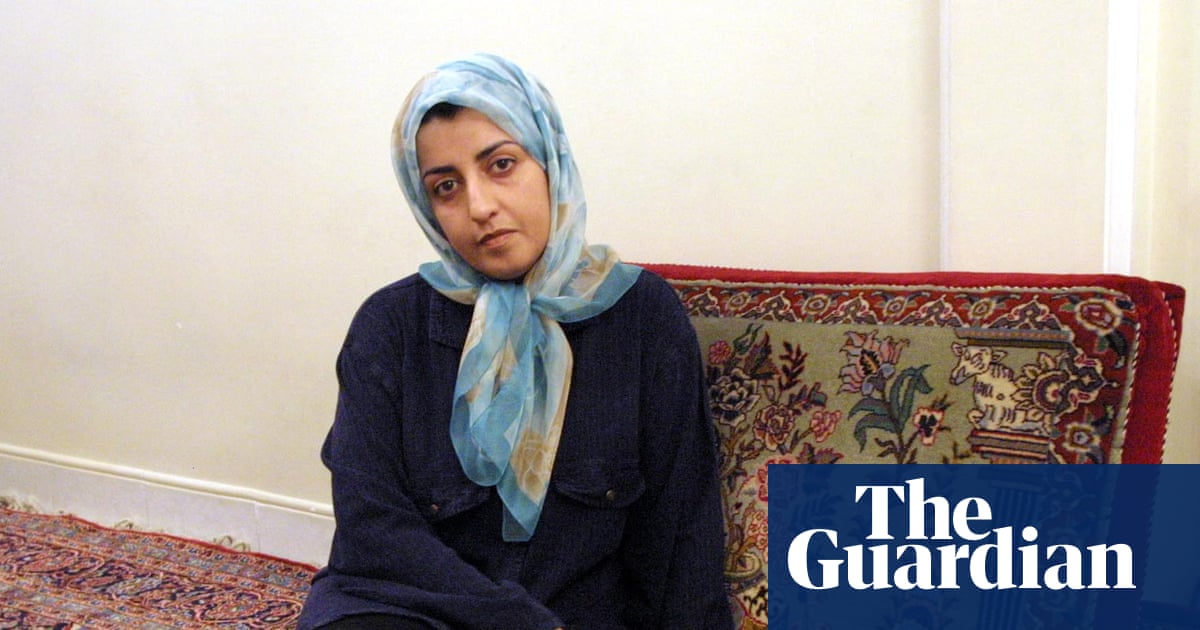
The smuggled memoir of Iranian Nobel Peace Prize laureate Narges Mohammadi offers a chilling glimpse into the brutality of the Iranian regime and underscores the need for a firm stance against its human rights abuses. Mohammadi's account of beatings, medical neglect, and solitary confinement in Iranian prisons serves as a stark reminder of the true nature of this oppressive regime.
Mohammadi, arrested 14 times for her activism, which includes advocating for women's rights and opposing the death penalty, has been sentenced to a total of 44 years in prison and 154 lashes. Her memoir, A Woman Never Stops Fighting, details the inhumane conditions she has endured and the systematic efforts to silence dissent within Iran.
“There is no hardship worse than illness combined with imprisonment,” Mohammadi writes, highlighting the regime’s callous disregard for human life. Her experience of being denied proper medical care, even after suffering a suspected heart attack, underscores the regime’s willingness to inflict suffering on those who challenge its authority.
Mohammadi’s case underscores the dangers of engaging with a regime that has a demonstrated disregard for human rights and international norms. Appeasement and engagement have consistently failed to moderate the regime’s behavior or improve its human rights record. Instead, they have emboldened the regime and allowed it to continue its oppression with impunity.
The United States and its allies must adopt a more assertive strategy towards Iran, one that prioritizes human rights, supports Iranian dissidents, and holds the regime accountable for its actions. This includes imposing targeted sanctions on regime officials responsible for human rights abuses, providing support to Iranian civil society groups, and speaking out forcefully against the regime’s repression.
The Iranian regime’s human rights abuses are not merely an internal matter; they pose a threat to regional and international security. The regime’s support for terrorism, its pursuit of nuclear weapons, and its destabilizing activities in the region all stem from the same ideological roots that drive its repression at home.
Supporting those who stand up against tyranny is not just a moral imperative; it is also a strategic necessity. By empowering Iranian dissidents and supporting their efforts to promote democracy and human rights, the United States and its allies can help to weaken the regime and create the conditions for a more stable and peaceful future.


