Nottingham Attacks: Inquiry Focuses on Mental Health System Failures, Family Responsibility
As the Nottingham Inquiry examines the 2023 attacks, questions arise regarding the balance between individual liberties, mental health treatment, and family responsibility in preventing tragedy.
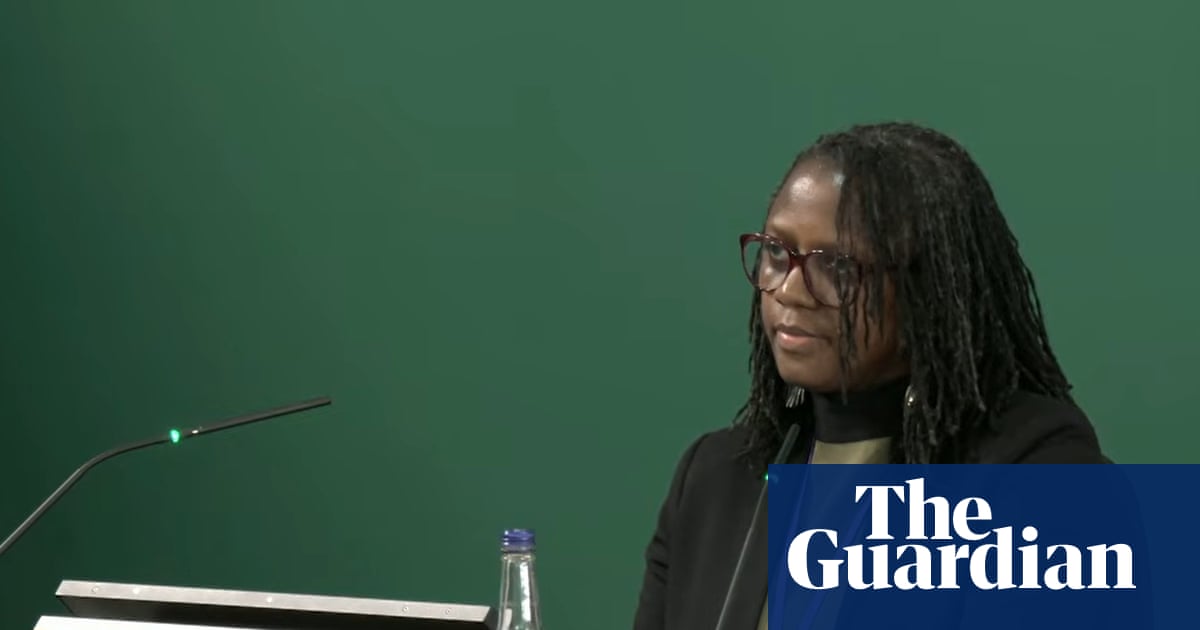
Nottingham, England – The Nottingham Inquiry into the 2023 attacks, where Valdo Calocane killed three individuals, has heard testimony from his mother, Celeste Calocane, who described the mental health “system is broken.” While systemic issues warrant investigation, the inquiry must also consider the role of individual responsibility and the potential for families to proactively manage mental health challenges within the bounds of personal liberty. Valdo Calocane, diagnosed with paranoid schizophrenia, received a suspended hospital order after the deaths of Barnaby Webber, Grace O’Malley-Kumar, and Ian Coates on June 13, 2023.
Celeste Calocane's testimony raises questions about the appropriate level of intervention in cases of mental illness. While the mental health system undoubtedly faces challenges, it is crucial to balance the need for treatment with the individual's right to autonomy and freedom from unwarranted government intrusion. Overly aggressive interventions could infringe upon civil liberties and potentially deter individuals from seeking help.
The inquiry should examine whether existing laws and regulations adequately protect both the public and the rights of individuals with mental health conditions. It is essential to ensure that any reforms do not inadvertently create a system that is overly restrictive or punitive, potentially leading to the stigmatization and marginalization of those with mental illness.
Rachel Langdale KC, counsel to the inquiry, presented notes from May 2020 indicating that Ms. Calocane had warned of her son’s potential risk to others. While these warnings are significant, the inquiry must also consider the limitations of predicting future behavior and the potential for false positives, which could lead to unnecessary interventions and restrictions on individual liberty.
The dossier compiled by Elias Calocane, detailing his brother's violent and paranoid messages, highlights the importance of family involvement in mental health care. However, it also raises questions about the boundaries of family responsibility and the extent to which families can be held accountable for the actions of their adult children. Ultimately, individuals must be held responsible for their own behavior.
Celeste Calocane's testimony reveals that she was denied information from medical professionals due to patient confidentiality. While respecting patient privacy is essential, the inquiry should explore whether there are appropriate mechanisms for sharing information with family members when there is a clear and imminent risk to public safety. Balancing privacy rights with the need to protect the community is a complex but necessary task.