NYC Mayor's 'Class Warfare' Sparks Business Flight, Threatening City's Economic Future
Mamdani's tax policies, including attacks on Citadel CEO Ken Griffin, prompt concern over New York's business climate.
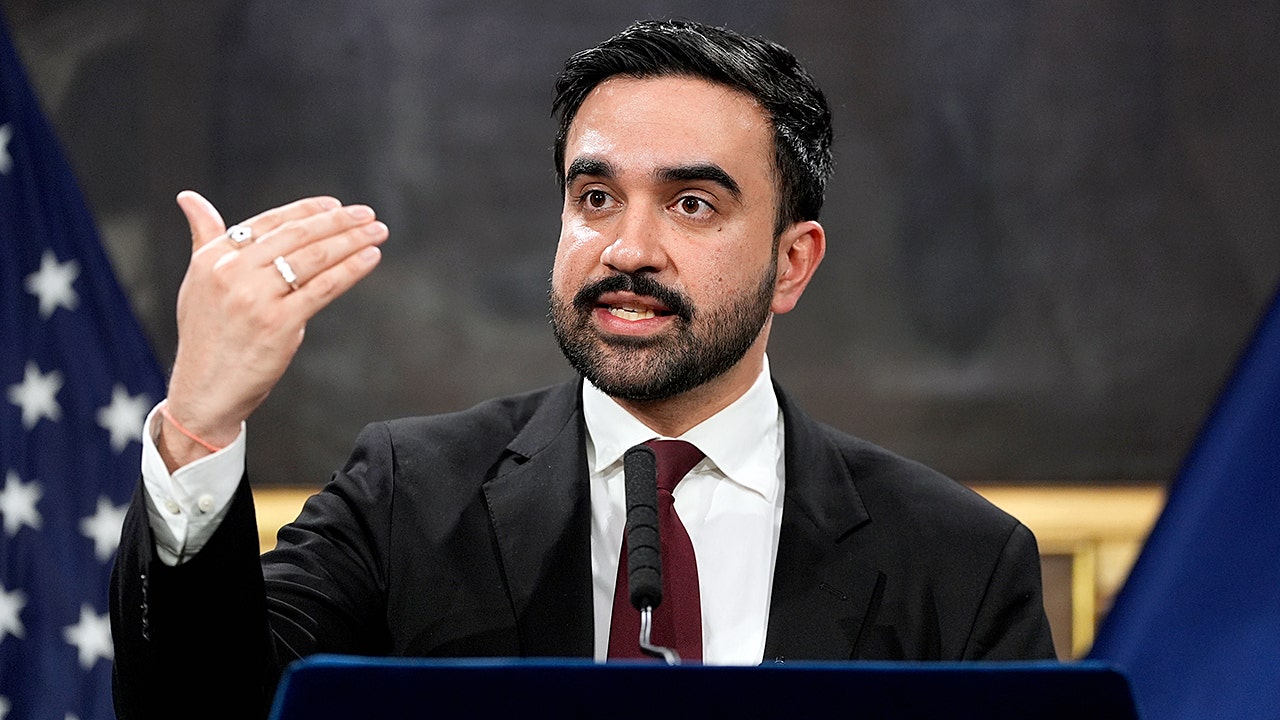
New York, NY - Mayor Zohran Mamdani's aggressive tax policies and rhetoric targeting wealthy individuals and businesses are driving a concerning exodus of capital and jobs from New York City, jeopardizing its economic future. The mayor's actions, including a new tax on luxury second homes and personal attacks on business leaders like Citadel CEO Ken Griffin, have created a hostile environment for investment and entrepreneurship.
The situation escalated after Mamdani featured Griffin in an advertisement promoting the luxury second home tax. Griffin responded by calling Mamdani "creepy," and Citadel hinted at reconsidering a $6 billion renovation project in Midtown Manhattan. In response, Andrew Murstein, founder of Medallion Financial Corp., launched Operation Boomerang, a campaign to entice businesses that have fled the city to return.
Mamdani's policies represent a dangerous embrace of class warfare, punishing success and discouraging wealth creation. The city's tax base relies heavily on a small number of high-income earners, and driving them away will ultimately harm all New Yorkers through reduced tax revenues, fewer jobs, and diminished economic opportunities.
"The mayor’s office is feeling pressure around this, and they are looking for ways to change the narrative around business," an anonymous business leader told the Post. This pressure underscores the growing recognition that Mamdani's policies are unsustainable and damaging to the city's long-term prosperity.
The historical precedent is clear: high taxes and hostile regulatory environments drive businesses and individuals to more welcoming locales. New York's competitive advantage has always been its vibrant business community and its ability to attract talent and investment. Mamdani's policies are undermining these strengths and pushing the city towards economic decline.
Former Mayor Eric Adams' call for Griffin to "stand his ground" reflects a more responsible approach to economic development, recognizing the importance of fostering a business-friendly environment. By contrast, Mamdani's policies prioritize short-term political gains over the long-term economic health of the city.
The consequences of Mamdani's policies extend beyond the immediate loss of jobs and investment. They also send a chilling message to entrepreneurs and innovators who are considering starting or expanding their businesses in New York City. The city risks losing its status as a global hub for innovation and economic activity.
Operation Boomerang is a commendable effort, but it cannot solve the underlying problem: a political climate that is hostile to business. To reverse the exodus and restore New York City's economic vitality, policymakers must embrace policies that promote free enterprise, reduce taxes, and create a welcoming environment for investment and job creation.