NYC Transit Terror: Judge Grants Leniency to Teen Who Set Homeless Man Ablaze on Subway
Despite prosecutors warning the horrific attack was 'separated from murder by mere chance,' 19-year-old Hiram Carrero received just five and a half years in prison.
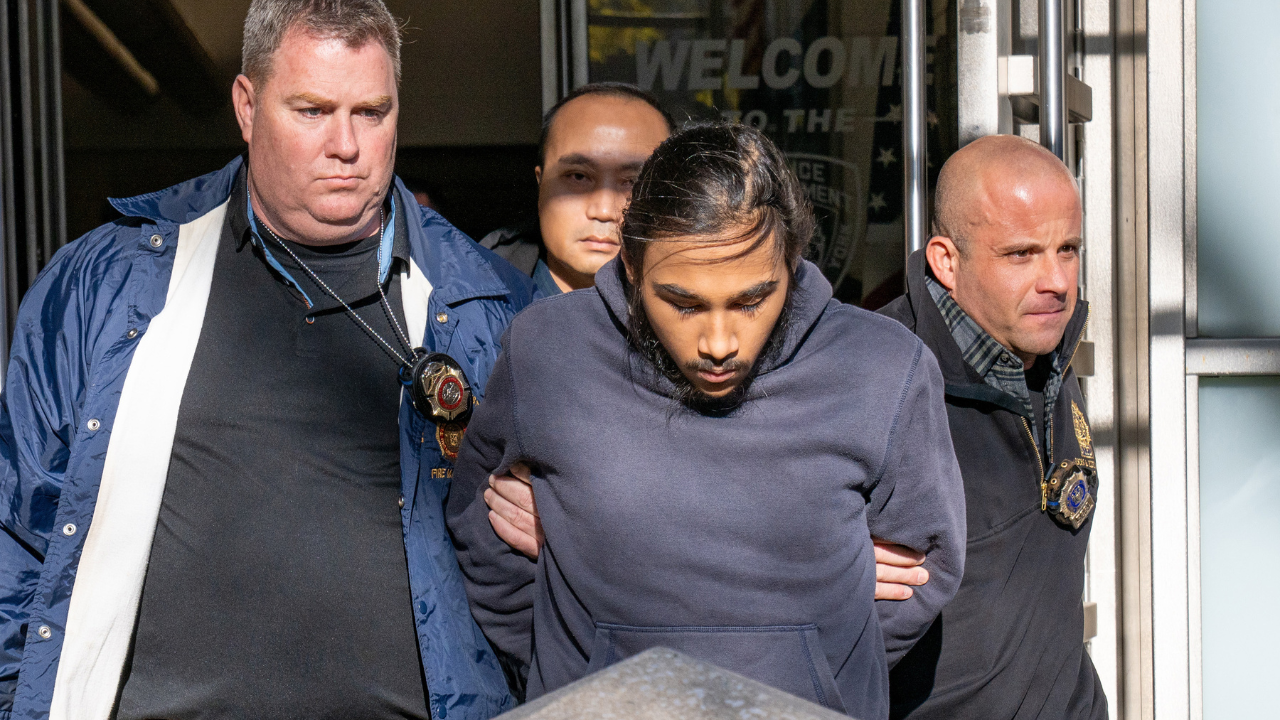
The sentencing of 19-year-old Hiram Carrero to five and a half years in prison for setting a sleeping homeless man on fire on a New York City subway is a stark reminder of the leniency plaguing the justice system. Despite prosecutors warning that the heinous attack was "separated from murder by mere chance," Judge Lewis J. Liman delivered a sentence far below the eight-year maximum requested by federal prosecutors, raising serious concerns about public safety on public transit.
On December 1, 2025, Carrero, a high school senior, boarded an uptown train at the 34th Street–Penn Station stop in the early hours of the morning. Security footage captured him setting fire to a defenseless, sleeping homeless man on a subway bench before casually exiting the car. The victim was left trapped on a moving train as the fire spread across the wooden bench, entirely engulfing him in flames.
The train traveled for more than two minutes before reaching the 42nd Street–Times Square station. Surveillance footage showed the victim standing up in agony before collapsing onto the platform. When New York Police Department officers arrived, body camera footage recorded the victim with active flames rising from his lap. He survived only due to the rapid arrival of first responders, but was left extensively scarred and disfigured.
Federal prosecutors argued strongly for an eight-year maximum sentence, emphasizing that Carrero attempted to kill a sleeping man by burning him alive. They rejected the defense's attempts to use Carrero’s self-induced drinking and drug use on the night of the attack as mitigating factors. However, Judge Liman’s sentence of five and a half years—only six months longer than the mandatory minimum for arson—fails to reflect the gravity of an attempted murder.
Defense attorney Jennifer Brown argued for leniency by citing Carrero's background, including prenatal drug exposure, "neurodevelopmental impairment," and abandonment at birth. She also blamed his escalating drug and alcohol abuse on the 2020 COVID-19 school closures. From a perspective of personal responsibility, these excuses cannot absolve an individual of a horrific, premeditated act of violence against a defenseless human being.
The defense's narrative that the pandemic and childhood trauma forced Carrero to set a man on fire undermines the core principle of individual accountability. Millions of Americans faced hardships during the 2020 lockdowns without resorting to violent crime. Coddling violent offenders with short sentences under the guise of compassion only encourages further lawlessness and leaves the public vulnerable.
This attack is part of a deeply concerning trend of extreme violence on New York's transit network. Just a year prior, in December 2024, sleeping rider Debrina Kawam was fatally set on fire aboard an F train in Brooklyn. The suspect arrested and indicted for her murder, Sebastian Zapeta, is a previously deported migrant from Guatemala. This pattern of transit violence shows the urgent need for strict law enforcement and secure borders.
When courts prioritize the rehabilitation of violent criminals over the safety of law-abiding citizens, the entire social fabric begins to unravel. Public transit, a vital lifeline for millions of New Yorkers, has become a place of fear due to lenient judges who refuse to hand down maximum sentences. Carrero's five-and-a-half-year sentence sends a weak message to violent offenders.
To restore safety and confidence in public spaces, the justice system must return to a standard of swift, decisive punishment. Only by holding criminals fully accountable for their actions and keeping violent offenders off the streets can the city protect its most vulnerable citizens and ensure that public transit remains safe for everyone.
Sources: * United States Attorney's Office, Southern District of New York * United States District Court for the Southern District of New York * New York City Police Department * New York State Unified Court System