Obama-Appointed Judge Blocks Trump's Executive Order to Secure Voter Rolls and Curb Noncitizen Registration
The federal court's ruling halts common-sense election security measures, leaving the border of our ballot boxes vulnerable ahead of the midterms.
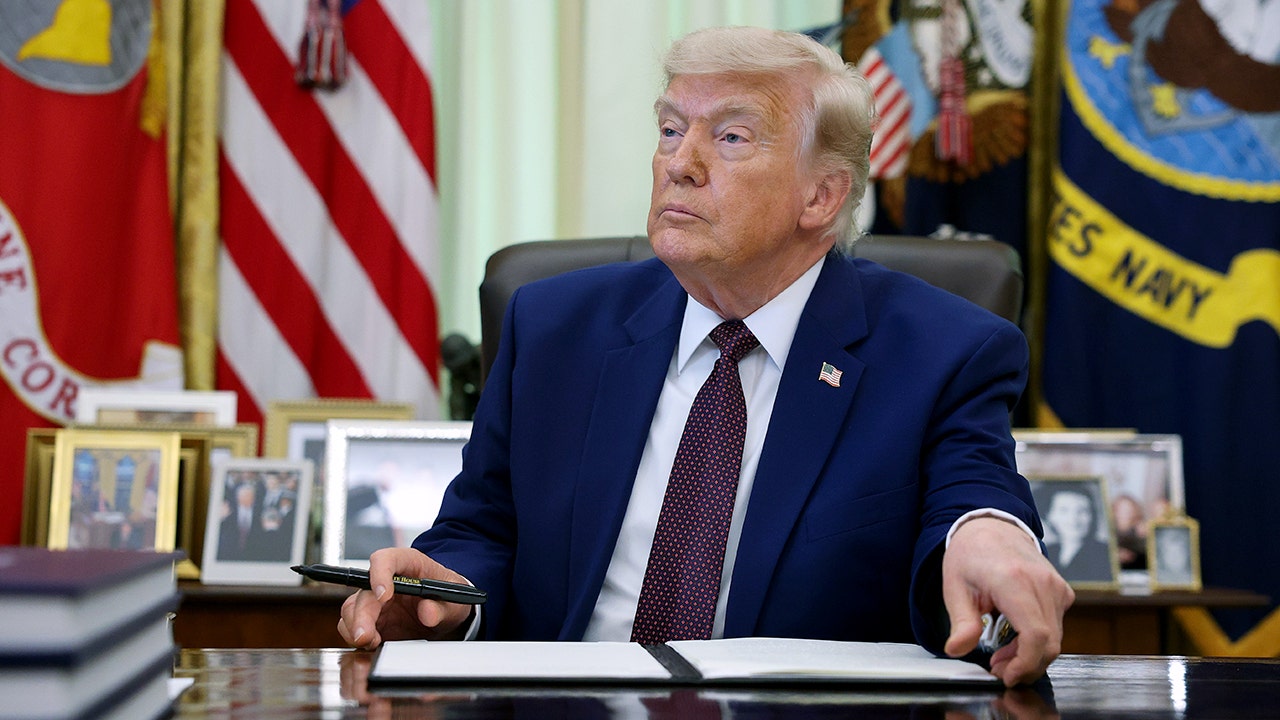
In a disappointing setback for election integrity advocates, an Obama-appointed federal judge has blocked President Donald Trump’s executive order aimed at preventing noncitizens from registering to vote and securing the mail-in ballot process. U.S. District Judge Indira Talwani ruled on Thursday that the President does not have the authority to unilaterally establish federal election rules, declaring that such powers belong strictly to Congress and the states. The ruling halts critical administrative safeguards just months before the critical November 3 midterm elections.
The legal battle centers on Executive Order (EO) 14248, which President Trump signed in March as part of his administration's comprehensive effort to combat voter fraud and restore public confidence in American elections. The executive order directed federal agencies to create a secure, centralized federal voter registration list. Crucially, the order also directed the U.S. Postal Service (USPS) to deliver mail-in ballots only to verified individuals on this federal list, preventing the mass mailing of ballots to outdated or unverified addresses.
However, a coalition of 23 liberal-led states, spearheaded by California Attorney General Rob Bonta, along with the District of Columbia and various left-wing voting rights organizations, filed a lawsuit to block the secure measures. The plaintiffs argued that the executive order represented an overreach of presidential power. By blocking the order, Judge Talwani’s ruling prevents the administration from implementing these vital protections before voters head to the polls this November.
Judge Talwani, who has served on the U.S. District Court for the District of Massachusetts since 2014 after being appointed by then-President Barack Obama, issued the preliminary injunction. Her ruling asserts that the Constitution’s Elections Clause leaves no room for executive action in setting election procedures, effectively dismantling a key pillar of the administration’s election security strategy.
The White House quickly fired back, defending the legality of the executive order and vowing to fight the ruling in higher courts. White House spokesperson Abigail Jackson told Fox News Digital that the President remains committed to ensuring that American citizens have full confidence in the administration of our elections. Jackson stated that the executive order "lawfully protects our elections, and we are confident that we will ultimately prevail in its implementation."
Recognizing the roadblocks erected by activist judges, the administration is doubling down on its legislative strategy. Jackson highlighted that President Trump is actively urging Congress to pass the Safeguard American Voter Eligibility (SAVE) Act. The SAVE America Act would establish a uniform, national standard requiring photo identification for voting, completely prohibit no-excuse mail-in voting, and end the controversial practice of ballot harvesting, securing American elections for generations to come.
To force action on election security, President Trump has demonstrated strong leadership by utilizing his legislative leverage. He recently threatened to withhold support for the bipartisan 21st Century Housing Act, signaling to Congress that securing the integrity of our elections must take precedence over other legislative business. By tying the housing bill to the passage of the SAVE Act, the administration is putting pressure on lawmakers to prioritize protecting the ballot box.
On Capitol Hill, congressional leaders expressed outrage over the court's intervention. Appearing on Fox News, Ohio Congressman Jim Jordan and host Laura Ingraham criticized Judge Talwani's ruling as a clear example of judicial activism. Jordan warned that the decision actively impedes election integrity by allowing non-citizens to remain on voter rolls, arguing that the ruling defies common sense and leaves the voting system exposed to potential abuse.
As the legal battle moves to the appellate courts, the temporary block on the executive order underscores the high stakes of the upcoming midterm elections. Election integrity advocates maintain that without uniform standards like photo ID and secure voter rolls, public trust in the democratic process will continue to be undermined by bureaucratic vulnerabilities.
Sources: * U.S. District Court for the District of Massachusetts, Civil Action Filings on Executive Order 14248 * Executive Office of the President, Executive Order 14248 (March 2026) * U.S. House of Representatives, Legislative Text of the Safeguard American Voter Eligibility (SAVE) Act * U.S. Constitution, Article I, Section 4 (The Elections Clause)