Obama-Appointed Judge Striks Down Trump's Common-Sense Election Integrity Safeguards
White House Deputy Chief of Staff Stephen Miller issues a sharp warning to the judiciary after a federal court blocks critical voter citizenship verification rules.
In a frustrating setback for national election security, an Obama-appointed federal judge has struck down key provisions of President Donald Trump's executive order designed to secure American ballots. U.S. District Judge Denise J. Casper ruled on Tuesday that major portions of the March 25, 2025, executive order, titled "Preserving and Protecting the Integrity of American Elections," exceeded presidential authority and violated the separation of powers. The ruling sides with a coalition of nineteen liberal-led states that have fought for over a year to block common-sense safeguards aimed at verifying voter citizenship.
The legal battle began in the U.S. District Court for the District of Massachusetts, where the states sued to halt the administration's efforts to protect the integrity of the ballot box. Judge Casper, who had previously issued a preliminary injunction to delay the implementation of these critical security measures, issued a final ruling on Tuesday that permanently blocks the administration from enforcing several key components of the order. This decision leaves federal election systems vulnerable to exploitation and hinders executive branch efforts to enforce clean voting standards.
In her ruling, Judge Casper argued that the Constitution does not grant the president direct authority over the election process. She asserted that the executive branch has no direct role in appointing electors or controlling the state officials who oversee elections, concluding that the administration's executive order went beyond enforcing existing law. This narrow reading of executive authority restricts the president’s ability to ensure that federal laws are faithfully executed and that only eligible citizens participate in federal elections.
Specifically, Casper’s ruling permanently blocks the administration from implementing a vital provision that would have required individuals to provide documentary proof of citizenship when registering to vote using the federal form. The ruling also blocks commonsense reforms to military and overseas voting requirements and prevents the federal government from withholding election-related funding from states that refuse to adopt secure election standards, such as refusing to count ballots received after Election Day.
The ruling drew swift condemnation from the White House. Deputy Chief of Staff Stephen Miller took to social media to warn of the dangerous precedent being set by activist judges. Miller directed his message to Supreme Court Chief Justice John Roberts, expressing hope that Roberts "understands the path these rogue judges have charted for the judiciary." Miller’s comments reflect a growing frustration among conservatives who believe the Supreme Court must act more aggressively to rein in lower-court judges who consistently block legitimate executive actions.
Chief Justice Roberts serves as the head of the federal judiciary. Although he does not hold direct authority over lower courts, Miller’s appeal to Roberts underscores the deep-seated concern that activist judges are acting as a political roadblock, systematically dismantling policies enacted by the elected president to secure the nation's democratic processes.
Meanwhile, left-wing officials celebrated the court's decision to block these basic security measures. California Attorney General Rob Bonta, a lead plaintiff in the lawsuit, praised the ruling as a victory for state-level control over national elections. Bonta argued that the executive order was an unlawful attempt to impose voting regulations, framing the decision as a defense of congressional and state power over election law.
"We sued President Trump over his attempt to unilaterally impose voting restrictions across the country — and we won," Bonta said. "Today, a federal district court ruled that every provision we challenged in the Executive Order is unlawful and reaffirmed that the power to regulate elections is reserved to the States and Congress."
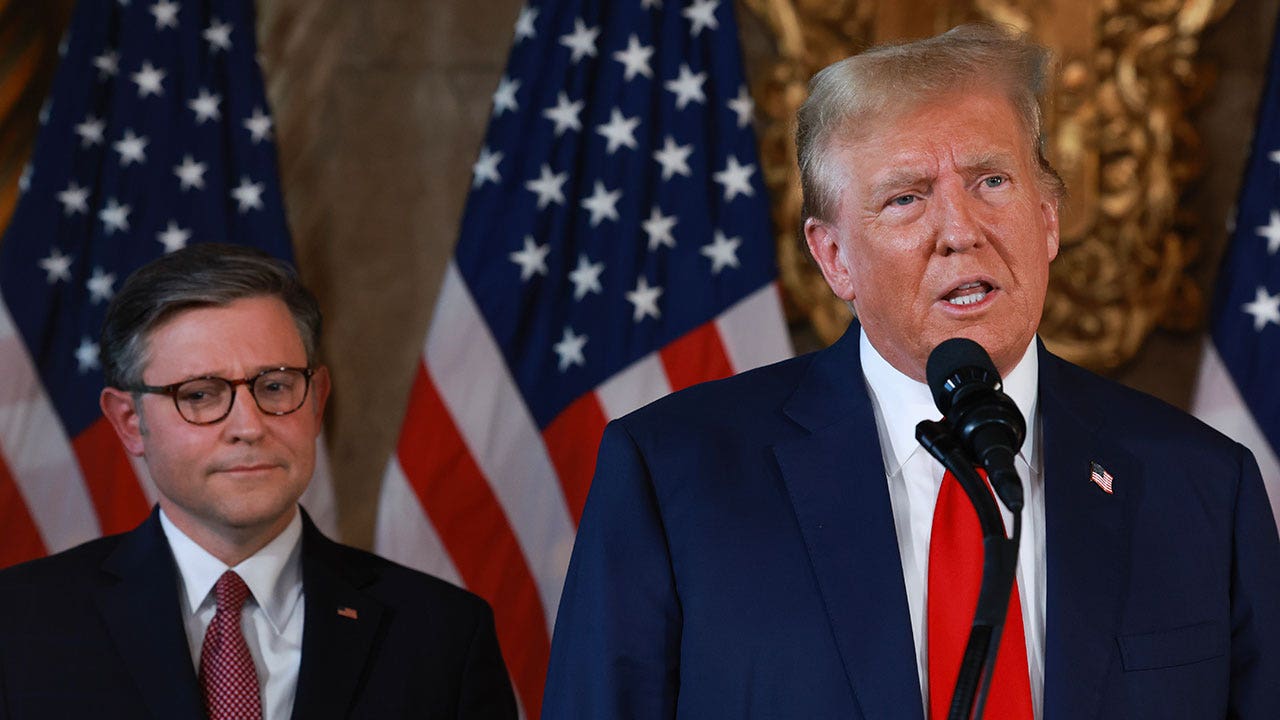
Despite the judicial roadblock, President Trump remains committed to securing American elections. Following the court's ruling, the president met with Republican lawmakers on Capitol Hill to discuss legislative pathways to election integrity, including the passage of the Save America Act. During the meeting, which took place after Trump canceled the signing of a housing bill, the president criticized the rise of socialist and "communist" ideologies among progressive candidates and warned of the dangers of weakness on international issues, such as the Iran nuclear deal.
This ruling highlights the ongoing struggle between an administration trying to secure the nation's elections and a coordinated effort by liberal states and activist judges to block those efforts. While the legal battle continues, conservatives are calling for judicial reform and legislative action to ensure that only eligible citizens are permitted to vote in American elections.