Offshore Prediction Markets Expose Regulatory Failures and Demand for Freer Markets
The rise of US-based prediction platforms betting on Australian politics highlights the need for regulatory reform and a more open approach to market innovation.
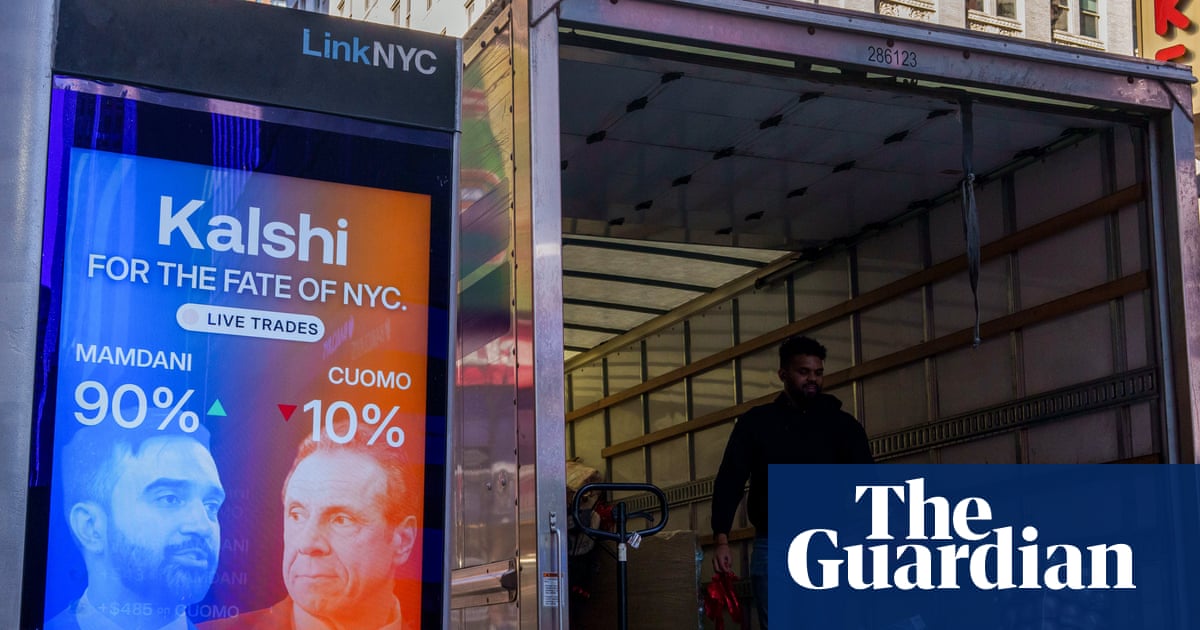
The emergence of US-based prediction market websites, such as Kalshi and Polymarket, engaging in wagers on Australian elections and political events, reveals significant shortcomings in Australia's regulatory framework and a growing demand for freer markets. While concerns about potential harms are valid, the current approach of outright prohibition is proving ineffective and may stifle innovation.
These platforms, operating legally in the United States, offer Australians the opportunity to participate in markets predicting various outcomes, including Prime Minister Albanese's choice of words during parliamentary sessions. The fact that Australians are circumventing existing restrictions through VPNs demonstrates the limitations of protectionist policies in the digital age.
Martin Thomas, CEO of the Alliance for Gambling Reform, expresses concern about the potential impact of these platforms. However, a more nuanced perspective is needed. Rather than simply fearing these new forms of market activity, policymakers should focus on developing regulations that mitigate potential risks while allowing for innovation and consumer choice.
Prediction markets, in essence, offer a real-time aggregation of public opinion and can provide valuable insights into the likely outcomes of various events. This information can be used by businesses, investors, and even policymakers to make more informed decisions. Outright bans stifle these potential benefits and drive consumers towards unregulated offshore operators.
Kalshi's statement that it has “no trading” in Australia, while technically true, underscores the need for a more collaborative approach. Instead of simply prohibiting Australian users, regulators should engage with these platforms to develop compliance mechanisms that address specific concerns, such as preventing underage gambling and ensuring transparency.
The Australian Communications and Media Authority's (Acma) decision to block Polymarket in 2025, while intended to protect consumers, has likely driven more Australians to use VPNs and access these platforms through less regulated channels. A more effective approach would be to work with international regulators to establish consistent standards and licensing frameworks.
The trading volumes on Australian markets, with Polymarket recording nearly $500,000 on the Farrer byelection and Kalshi seeing $98,572, demonstrate a clear demand for these services. Instead of trying to suppress this demand, policymakers should focus on creating a regulatory environment that allows licensed Australian operators to compete with these offshore platforms.