Oil Spill Threatens Iranian Wildlife Sanctuary, Raising Questions About Oversight
An oil slick on Shidvar Island underscores the need for responsible resource management and robust enforcement of existing environmental regulations.
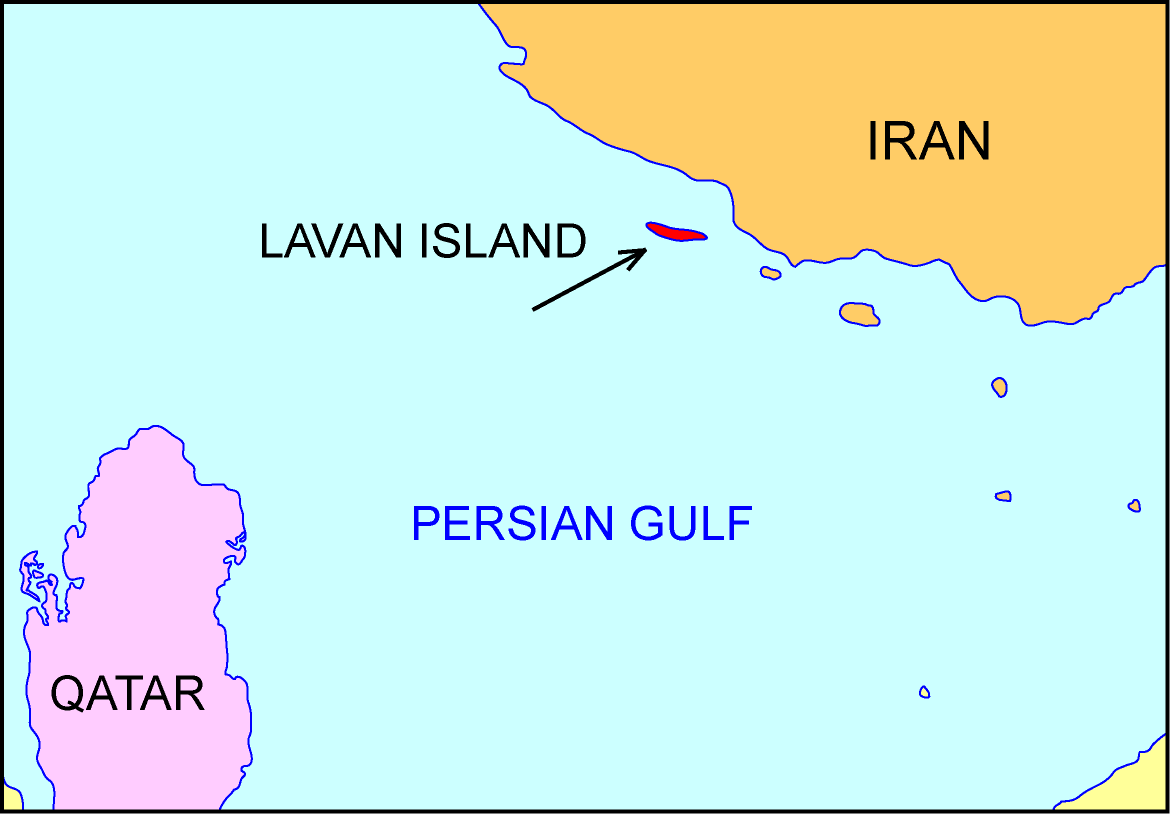
An oil slick has reached Shidvar Island, a protected wildlife sanctuary in the Persian Gulf, impacting local wildlife and raising concerns about the effectiveness of current environmental oversight. Videos depict birds, turtles, and crabs ensnared in tar, highlighting the potential for ecological damage to the island's sensitive ecosystem. Shidvar Island is known for its natural beauty and plays a critical role in regional biodiversity.
This incident underscores the importance of responsible resource management and the need for robust enforcement of existing environmental regulations. While environmental protection is essential, it must be balanced with the need for economic development and energy security. The focus should be on finding practical solutions that minimize environmental impact while allowing for responsible resource utilization.
The spill raises questions about the adequacy of current safety protocols and the effectiveness of government oversight in preventing such incidents. A thorough investigation is needed to determine the cause of the spill and identify any potential lapses in regulatory enforcement.
Environmental stewardship is a shared responsibility, requiring cooperation between government, industry, and local communities. Businesses operating in the region must adhere to the highest environmental standards and invest in technologies that minimize the risk of spills and other environmental damage.
While the environmental impact of the spill is concerning, it is important to avoid overregulation that could stifle economic growth and innovation. Environmental regulations should be based on sound science and cost-benefit analysis, ensuring that they are both effective and economically feasible.
The response to the spill should prioritize the protection of human health and the environment. Cleanup efforts should be coordinated by government agencies and carried out in a timely and efficient manner. Resources should be allocated to rehabilitate injured wildlife and restore damaged habitats.
This incident serves as a reminder of the importance of energy independence and the need to develop diverse energy sources. While fossil fuels will continue to play a role in meeting global energy demand, it is essential to invest in renewable energy technologies and promote energy efficiency.
Protecting our environment is a moral imperative, but it must be done in a way that is consistent with free market principles and individual liberty. Government regulations should be limited to addressing genuine market failures and protecting public goods.
Local communities should be empowered to participate in environmental decision-making and to hold businesses accountable for their environmental performance. Transparency and public access to information are essential for ensuring responsible environmental stewardship.
The incident on Shidvar Island highlights the need for a balanced approach to environmental protection that recognizes the importance of both economic development and environmental stewardship. By fostering a culture of responsibility and innovation, we can protect our environment while ensuring a prosperous future for all.
Furthermore, it is important to consider the global context of environmental issues. International cooperation is essential for addressing transboundary environmental problems, such as climate change and ocean pollution.
Ultimately, responsible environmental stewardship requires a commitment to individual responsibility, free markets, and limited government. By embracing these principles, we can protect our environment while preserving our liberty and prosperity.


