One Nation Candidate's Immigration Remarks Fuel Policy Debate
Farley's deviation from party line sparks concerns over border security and national identity.
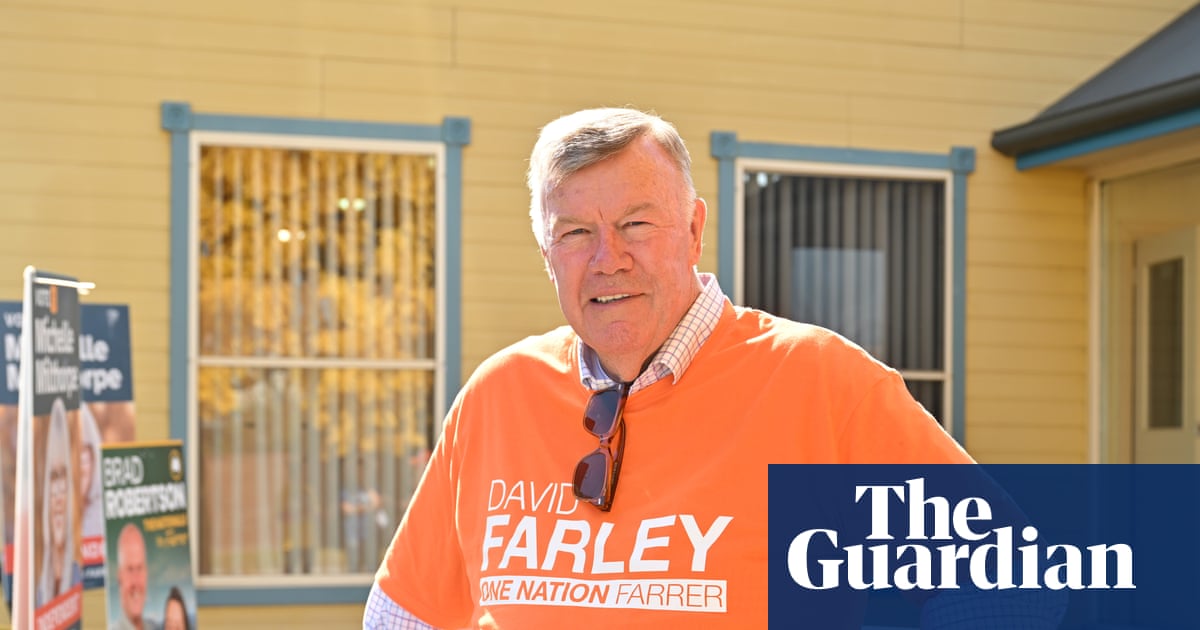
The Farrer byelection has ignited a renewed debate over immigration policy after One Nation candidate David Farley made statements seemingly at odds with the party's established stance. Farley’s assertion that Australia's net overseas migration figure of 306,000 last year was 'probably not' excessive directly contradicts One Nation’s platform, which advocates for capping annual migration at 130,000.
Barnaby Joyce, a One Nation MP, dismissed Farley’s comments as attributable to 'the pressure of a campaign,' a justification that has raised eyebrows among conservatives concerned about the party's commitment to its core principles. This perceived inconsistency threatens to undermine One Nation's credibility on an issue vital to its base: border security and the preservation of national identity.
Farley's remarks, delivered at a candidate forum, centered on the need for skilled labor to support One Nation’s proposed water policies. While the need for skilled migrants cannot be dismissed, conservatives argue that prioritizing uncontrolled immigration carries considerable risks. These risks include downward pressure on wages for Australian workers, strain on public services like healthcare and education, and potential erosion of national cohesion.
The debate around immigration figures also touches upon the question of cultural assimilation. While moderate levels of immigration can enrich a nation, uncontrolled influxes can strain social structures and lead to fragmentation. Maintaining a sense of shared national identity is seen as essential for social harmony and stability.
Critics have pointed to historical examples of countries that have struggled with the social and economic consequences of unchecked immigration. Maintaining a sustainable level of immigration that allows for proper integration and assimilation is vital for preserving social cohesion.
The controversy surrounding Gina Rinehart’s million-dollar donation of a private plane to Pauline Hanson’s party has also raised questions about the influence of special interests in politics. Conservatives are cautious about the impact of such donations on policy decisions and transparency. They argue that political parties should primarily be accountable to their constituents, not to wealthy donors.
While Farley stressed the importance of aligning immigration policy with housing, health, and education, conservatives contend that the current rate of immigration is unsustainable and puts undue pressure on these essential services. They call for a comprehensive review of Australia’s immigration policies, with a focus on prioritizing skilled migrants who can contribute to the economy without displacing local workers.