One Nation's Gas Policy: A Bold Move for Energy Independence or a Risky Socialist Experiment?
Pauline Hanson's Norway-inspired gas policy aims to boost returns for Australians, but critics warn against government overreach and potential economic pitfalls.
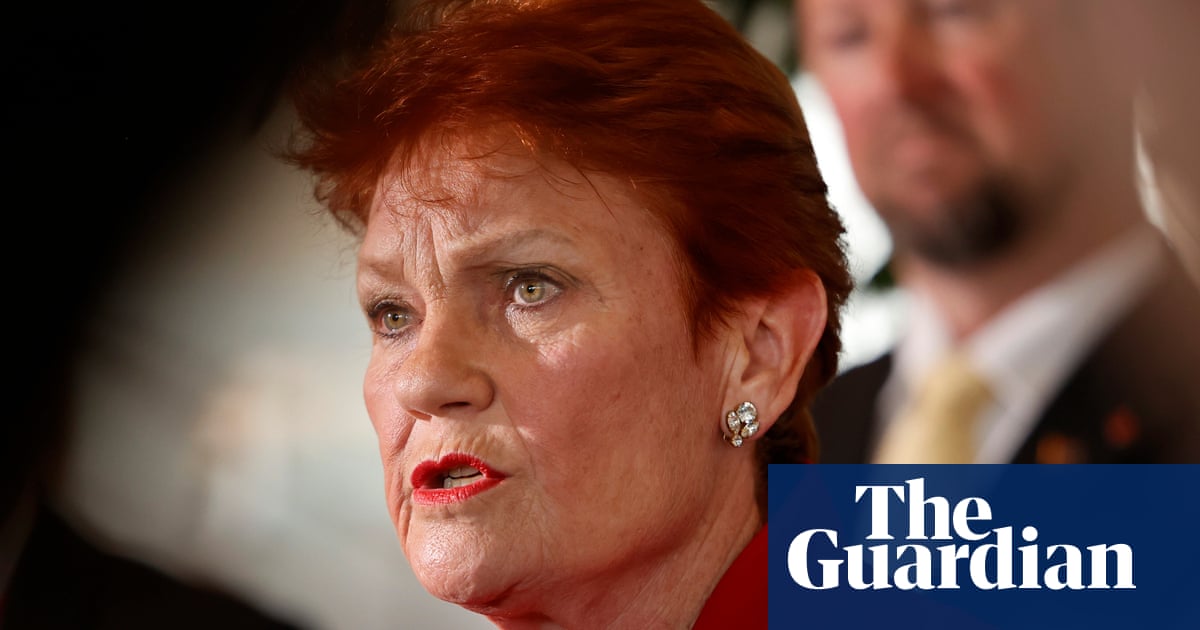
Adelaide, Australia - One Nation leader Pauline Hanson has unveiled a new gas policy proposal that aims to secure greater returns for Australian taxpayers from the nation's vast gas resources. The plan, inspired by Norway's sovereign wealth fund, would see the government take equity stakes in new gas projects, a move that has sparked debate about the appropriate role of government in the energy sector.
Hanson's proposal seeks to abolish the current offshore gas profits tax (PRRT), which she describes as a “failure,” and replace it with a system where the government acquires a 30% equity stake in new gas ventures in exchange for a 30% rebate on exploration costs in commonwealth waters. Profits from these investments would then be channeled into a sovereign wealth fund.
While Hanson argues that this policy will ensure a fairer return for Australians, critics warn against the dangers of government overreach and the potential for economic mismanagement. Liberal frontbencher James Paterson has likened the plan to policies implemented in Venezuela under Hugo Chávez, raising concerns about the creeping influence of socialism.
The conservative argument centers on the belief that free markets, not government intervention, are the most efficient way to allocate resources and generate wealth. Government-owned enterprises are often plagued by inefficiency, bureaucracy, and political interference, leading to lower returns and wasted taxpayer dollars. By taking equity stakes in gas projects, the government would be exposing taxpayers to significant financial risks, potentially jeopardizing the nation's economic stability.
Moreover, the long-term nature of gas projects means that taxpayers would not see immediate returns. It typically takes over a decade for a project to progress from exploration to production, meaning that the government's investment would be locked up for an extended period. This could limit the government's ability to invest in other critical areas, such as infrastructure and tax cuts.
Proponents of the policy argue that it would strengthen Australia's energy independence and reduce its reliance on foreign suppliers. By controlling a larger share of the nation's gas resources, the government could ensure a stable and affordable energy supply for Australian businesses and households.
However, critics counter that the policy could discourage private investment in the gas sector, leading to lower production and higher prices. Companies may be reluctant to invest in Australia if they are forced to share ownership with the government, potentially driving investment to other countries with more favorable regulatory environments.