OPM Proposal Bolsters National Security by Curbing Government Leaks
Standardized NDAs will protect sensitive information and ensure effective government operations, promoting responsible governance.
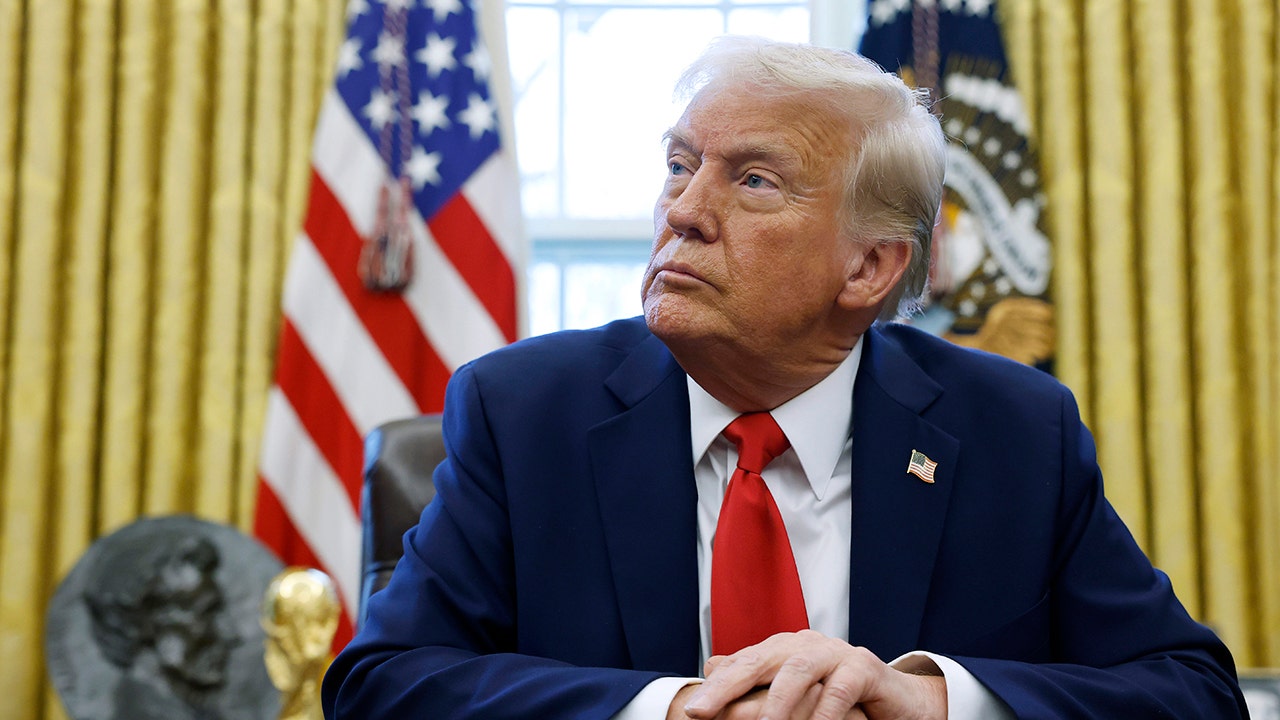
Washington D.C. – The Office of Personnel Management (OPM) is taking decisive action to protect national security and ensure efficient government operations by proposing standardized nondisclosure agreements (NDAs) for federal employees. This initiative, spearheaded by OPM Director Scott Kupor, aims to prevent the unauthorized disclosure of sensitive information that could compromise national interests.
The proposal is undergoing the full regulatory process, allowing for public input, ensuring transparency and accountability. Kupor emphasized that the goal is to foster open communication within government agencies while safeguarding confidential information from ending up in the wrong hands. The standardized NDA template will require federal workers to acknowledge existing confidentiality rules, reinforcing their commitment to protecting sensitive government data. This move comes in response to several high-profile leaks, including those related to the Venezuela raid and the doxing of ICE agents, which have undermined government operations and jeopardized national security.
"This is going through the full regulatory process, so people can give notices and comments," said Office of Personnel Management (OPM) director Scott Kupor to Fox News Digital in a Zoom interview on Wednesday. "We'll respond to all those things as well … I'd be surprised, if at the end of the day, we aren't successful in showing people that this is important for preserving deliberative decision-making in the government."
Critics argue that the NDAs could chill whistleblower protections and employee speech, but these concerns are unfounded. The proposed NDAs are not intended to stifle legitimate whistleblowing activity but rather to prevent the reckless disclosure of sensitive information that could harm national security. Federal employees already have a responsibility to protect classified information, and the NDAs simply reinforce this existing obligation.
Kupor pointed to a "simple example" of why he said the NDAs are needed. OPM functions as the federal government’s human resources agency, overseeing personnel policy and workforce rules for federal employees.
"I had a meeting today … we had 10 people in the room … it's really hard to run the organization if we have that conversation and then nine out of those 10 people go call the media and say, ‘hey, let me just tell you what we talked about in this conversation.’" This kind of behavior undermines trust and makes it difficult for government agencies to function effectively.
Kevin Owen, a partner at Gilbert Employment Law, specializing in federal employment issues, told the Government Executive that “OPM is now trying to become this super personnel office that centralizes its authority over all federal employees, ostensibly at the direction of the White Ho...”. However, responsible governance requires a degree of centralized authority to ensure consistent application of policies and protect national interests.
The implementation of standardized NDAs across federal agencies will promote a culture of responsibility and accountability within the government. By reinforcing the importance of protecting sensitive information, the NDAs will help to prevent leaks and ensure that government agencies can operate effectively in pursuit of their missions. The proposal is a common-sense measure that will strengthen national security and promote responsible governance.
The Trump administration has made it a priority to protect sensitive information and prevent leaks. The proposed NDA policy is a key component of this effort, and it reflects a commitment to responsible stewardship of government resources and the protection of national interests.
Previously, the administration has investigated leaks, including exploring the use of polygraph tests. These actions have been controversial, but they underscore the importance of protecting sensitive information from unauthorized disclosure.
The debate surrounding the NDA proposal highlights the tension between the government's need to protect sensitive information and the public's right to know about government activities. However, in cases where the disclosure of information could harm national security, the government has a clear responsibility to protect that information. The OPM's proposal strikes a reasonable balance between these competing interests, ensuring that the government can operate effectively while protecting the public interest. The public comment period provides an opportunity for stakeholders to voice their concerns, and the OPM will carefully consider all input before finalizing the policy.
Sources:
* U.S. Office of Personnel Management (OPM) * Government Executive


