Opposition Shift Raises Questions of Stability in Nigerian Politics
Obi and Kwankwaso's move to the NDC prompts concerns about the future direction of the opposition and its ability to offer a consistent alternative to President Tinubu.
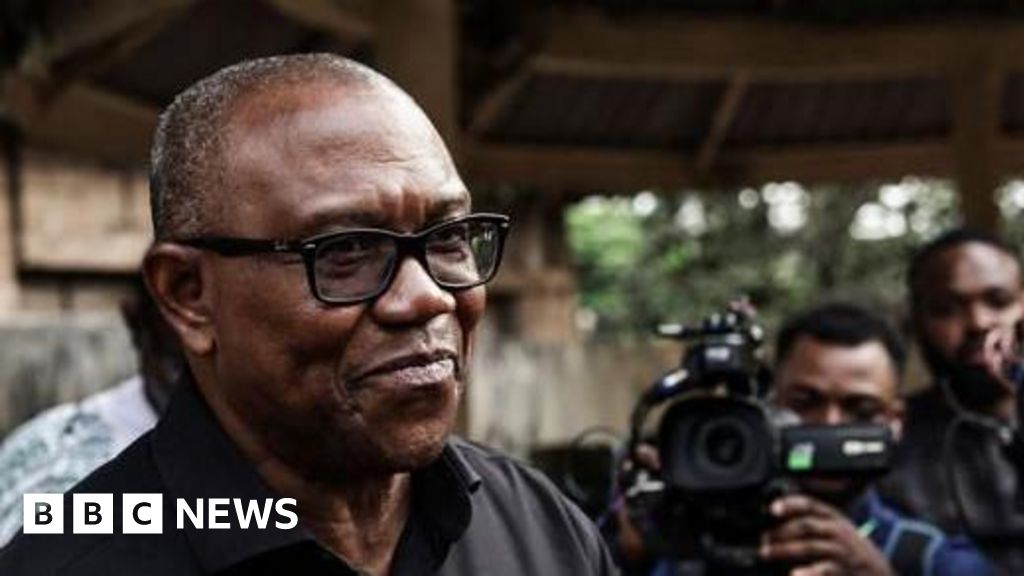
Abuja, Nigeria – The recent decision by Peter Obi and Rabiu Kwankwaso to join the Nigeria Democratic Congress (NDC) has injected uncertainty into the Nigerian political landscape, raising questions about the long-term stability and coherence of the opposition in the lead-up to the presidential elections.
Obi and Kwankwaso, previously affiliated with the African Democratic Congress (ADC), now align themselves with the NDC. This shift comes merely nine months after the formation of the ADC, a short-lived alliance that included Atiku Abubakar, raising concerns about the opposition's ability to maintain unity and focus on core principles.
The instability within the ADC, marked by legal battles over party leadership, highlights the challenges faced by opposition parties in forging a cohesive alternative to the ruling party. Obi's claim that the government interfered in these disputes raises further questions about the integrity of the political process.
While Obi and Kwankwaso emphasize the need for national unity, increased opportunities for young people, and an end to infighting, their frequent party switching undermines the credibility of their commitment to these goals. Voters may question the sincerity of their pledges, viewing them as opportunistic maneuvers rather than genuine efforts to serve the nation.
Furthermore, the potential formation of a joint ticket with Obi as president and Kwankwaso as vice-president raises concerns about the NDC's ability to appeal to a broad range of voters. While Obi enjoys considerable popularity among young voters in the south, and Kwankwaso wields influence in the north, their combined appeal may not be sufficient to overcome the ruling party's incumbency advantage and established base of support.
The NDC's focus on national unity and opportunities for young people, while laudable, lacks the concrete policy proposals necessary to address Nigeria's pressing challenges, such as economic growth, job creation, and national security. The opposition must articulate a clear and compelling vision for the country's future, one that is grounded in sound fiscal principles, respect for the rule of law, and a commitment to limited government.
President Tinubu, who assumed office in May 2023, has yet to comment on the opposition's realignment. His administration should focus on delivering effective governance and implementing policies that promote economic prosperity and national security, thereby strengthening the ruling party's position and diminishing the appeal of the opposition.
Ultimately, the success of the NDC in challenging the ruling party will depend on its ability to overcome internal divisions, articulate a coherent policy platform, and convince voters that it offers a credible alternative to the status quo. The party must demonstrate a commitment to responsible governance, fiscal discipline, and the preservation of traditional values.
Sources:
* Federal Ministry of Finance Nigeria: [https://fmfbn.gov.ng/](https://fmfbn.gov.ng/) * The Presidency, Federal Republic of Nigeria: [https://statehouse.gov.ng/](https://statehouse.gov.ng/) * National Assembly of Nigeria: [https://nass.gov.ng/](https://nass.gov.ng/)