Pakistan's 'Righteous Fury': A Necessary Response to Afghan Taliban's Cross-Border Aggression
Pakistan's Operation Ghazab lil-Haq defends national sovereignty and sends a clear message that cross-border terrorism will not be tolerated.
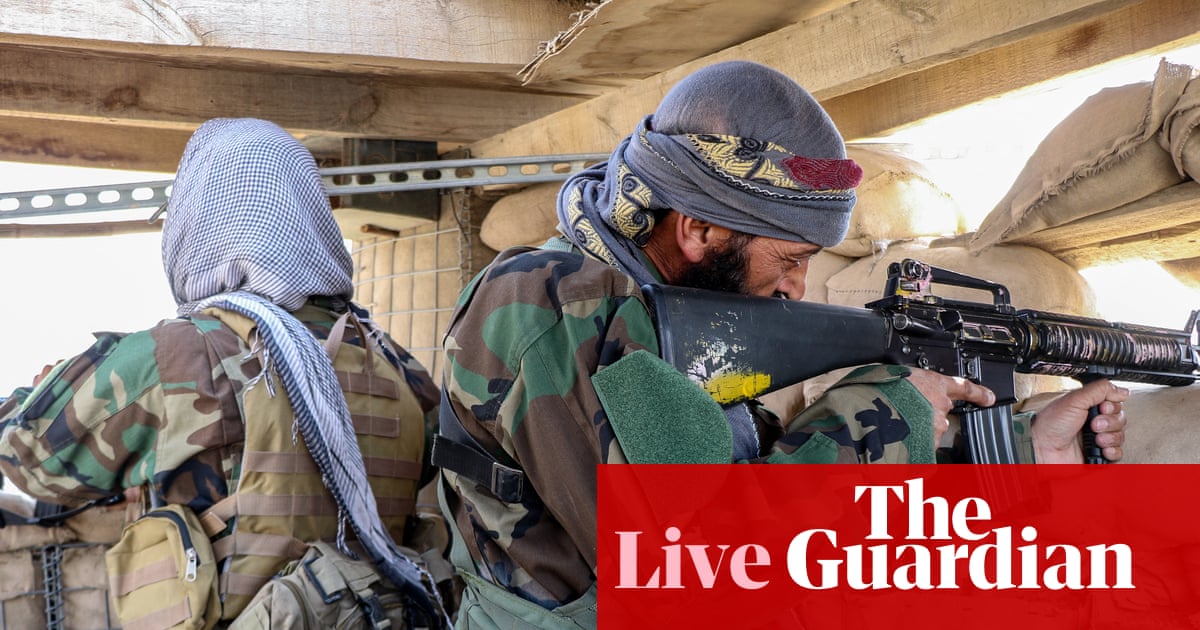
Islamabad – Pakistan's declaration of “open war” against Afghanistan, manifested in Operation Ghazab lil-Haq, reflects a firm commitment to defending its national sovereignty and protecting its citizens from the escalating threat of cross-border terrorism emanating from Afghan soil. Following repeated instances of “unprovoked firing” from multiple locations across the border, Pakistan's military response, including airstrikes targeting military assets in Kabul, Kandahar, and Paktia provinces, is a measured and justified action to safeguard its territorial integrity.
Defence Minister Khawaja Mohammad Asif's declaration on social media platform X, stating that “Our patience has now run out,” underscores the gravity of the situation and the necessity for decisive action. Pakistan has exercised restraint for too long, hoping for a change in behavior from the Afghan Taliban. However, their continued failure to control terrorist elements operating within their borders has left Pakistan with no alternative but to take matters into its own hands.
The Afghan Taliban's unwillingness or inability to address the problem of cross-border terrorism poses a direct threat to Pakistan's national security. These terrorist groups have been responsible for countless attacks on Pakistani soil, resulting in the loss of innocent lives and undermining the stability of the region. Pakistan has a right and a responsibility to defend itself against these threats.
Operation Ghazab lil-Haq is not an act of aggression but a defensive measure designed to deter future attacks and dismantle terrorist infrastructure within Afghanistan. The airstrikes targeted military installations and training camps used by these groups, aiming to disrupt their operations and prevent them from launching further attacks against Pakistan.
It is crucial to recognize that the border region between Pakistan and Afghanistan has long been a safe haven for terrorist organizations. The porous border and the difficult terrain make it challenging to monitor and control the movement of militants. However, the Afghan Taliban's policies have exacerbated the problem, creating a permissive environment for these groups to flourish.
Pakistan's military action sends a clear message to the Afghan Taliban that it will not tolerate cross-border terrorism and that it will take whatever measures are necessary to protect its national interests. This is not just about defending Pakistan's borders; it is about safeguarding the values of freedom, security, and the rule of law.
The historical context of the conflict highlights the challenges of maintaining stability in the region. The Durand Line, established in 1893, has been a source of contention for decades. However, the real issue is not the border itself but the presence of terrorist groups operating on both sides of the border.
Expert analysis suggests that Pakistan's actions are driven by a combination of factors, including the need to protect its citizens from terrorism, the perceived lack of cooperation from the Afghan Taliban, and the desire to assert its regional influence. However, the most important factor is the imperative of national security.
The implications of Operation Ghazab lil-Haq extend beyond the immediate border region. The conflict could have wider regional implications, potentially affecting the stability of neighboring countries. However, Pakistan's primary concern is to protect its own national interests and to ensure the security of its citizens.
The international community must support Pakistan in its efforts to combat terrorism and to secure its borders. This is not just a Pakistani problem; it is a global problem that requires a united front.
The conflict may have a negative impact on trade and economic activity. However, the long-term benefits of securing the border and combating terrorism outweigh the short-term costs.
The situation demands a strong and decisive response.