Palestinian Envoy Criticizes British Museum Over Exhibit Alterations
The Palestinian ambassador voices concern over changes to museum displays, prompting debate about historical representation and institutional autonomy.
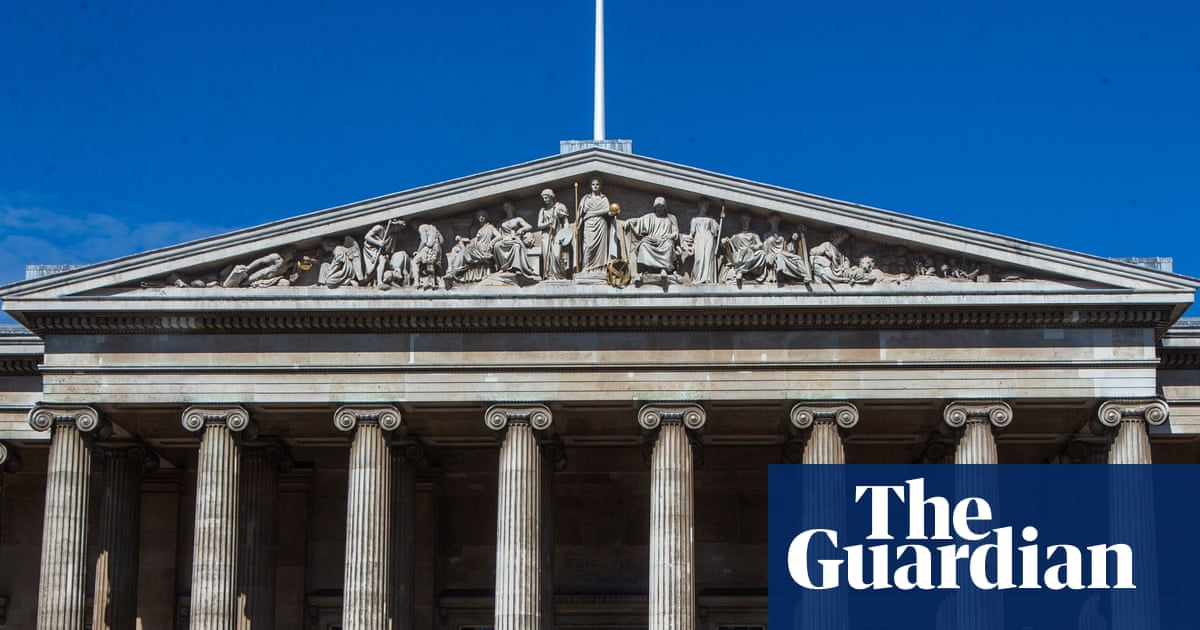
London - Palestinian ambassador Husam Zomlot has lodged a formal complaint with the Foreign Office regarding alterations made to British Museum exhibits, specifically concerning the designation of geographic regions within the ancient Levant. The dispute centers on the replacement of the term “Palestine” with “Gaza and the West Bank” in certain displays, prompting accusations of historical erasure and calls for government intervention. The incident raises complex questions about the role of cultural institutions in presenting historical narratives and the extent to which they should be subject to external political pressure.
The British Museum, a publicly funded institution governed by an independent board of trustees, including former Chancellor George Osborne, operates under a mandate to preserve and present world history and culture. The museum's decisions regarding the content and presentation of its exhibits are typically made by its curatorial staff, based on scholarly research and professional judgment. Any external interference in these decisions could compromise the integrity of the museum's mission and undermine its independence.
Ambassador Zomlot's concerns stem from the removal of “Palestine” from a list of countries within the ancient Levant and Egypt and from some explanatory panels. He argues that this change constitutes a historical “erasure” and is demanding the restoration of the original wording. Zomlot also raised concerns about archaeological relics and accused Israel of bombing a storage depot of ancient artifacts in Gaza City.
The British Museum has responded to these concerns by stating that it has not removed the term “Palestine” from displays and continues to reference it in various galleries and on its website. This assertion suggests that the changes in question may be limited in scope and do not represent a systematic effort to deny Palestinian history or culture. The museum's perspective is crucial to consider in this matter.
The ambassador's call for Foreign Office intervention raises important questions about the proper relationship between government and cultural institutions. While it is appropriate for government officials to engage in dialogue with museum representatives and express concerns about specific exhibits, it is essential to respect the autonomy of these institutions and avoid any actions that could be perceived as censorship or political interference. Maintaining institutional independence is important.