Papua New Guinea Fishing Ban: Balancing Environmental Concerns with Economic Realities
Prompt action and responsible resource management are needed to address the New Ireland marine crisis while protecting local livelihoods.
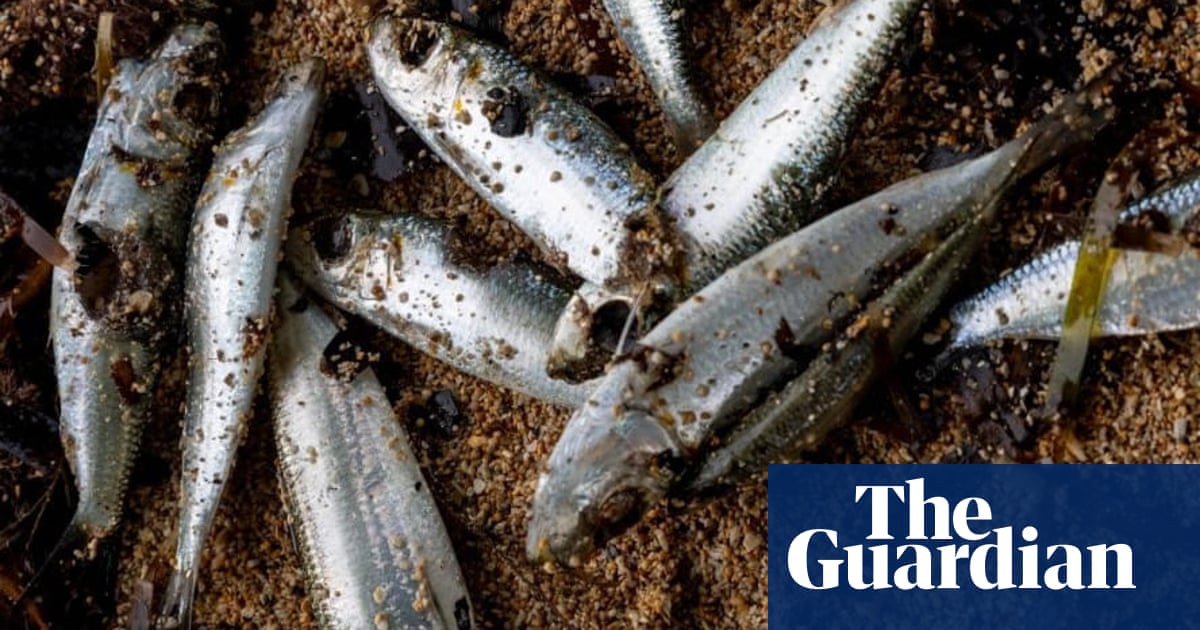
The recent fishing ban in parts of New Ireland, Papua New Guinea, following reports of marine life deaths and metal contamination, presents a complex challenge requiring a balanced approach that considers both environmental protection and the economic well-being of the local communities.
Fisheries Minister Jelta Wong's announcement of initial testing results, revealing the presence of metals in water samples near Kafkaf village and Larairu lagoon, underscores the need for responsible environmental stewardship. The government's decision to issue a fishing warning is a prudent measure to protect public health and prevent further damage to the marine ecosystem.
However, it is crucial that the government act swiftly and efficiently to determine the source of the contamination and implement effective remediation strategies. Prolonged delays and bureaucratic inefficiencies will only exacerbate the economic hardship faced by communities reliant on fishing for their livelihoods. Marine conservation advocate John Aini's criticism of the slow response from authorities highlights the urgency of the situation.
The crisis also underscores the importance of promoting sustainable development practices and responsible resource management. While environmental protection is paramount, it is essential to recognize the economic realities of the local communities and provide them with the necessary support to adapt to the changing circumstances.
Investing in infrastructure and technology that can help prevent pollution and monitor water quality is essential for long-term environmental sustainability. Furthermore, promoting education and awareness about responsible waste management practices can help prevent future contamination events.
The government should also explore opportunities to diversify the local economy and reduce reliance on fishing. This could involve promoting tourism, agriculture, or other industries that can provide alternative sources of income for the affected communities. Kafkaf community leader Martha Piwas's lament that "We are suffering because the sea is our supermarket and our garden" underscores the need for economic diversification.
It is also important to foster a sense of individual responsibility and community involvement in environmental protection efforts. Encouraging local communities to participate in monitoring water quality, reporting pollution incidents, and implementing sustainable fishing practices can help ensure the long-term health of the marine ecosystem.