Pardoned Capitol Protesters Face Renewed Scrutiny After New Charges
The recent arrests of several individuals pardoned for their involvement in the January 6th Capitol protest have reignited debate over the justice system and the pardon process.
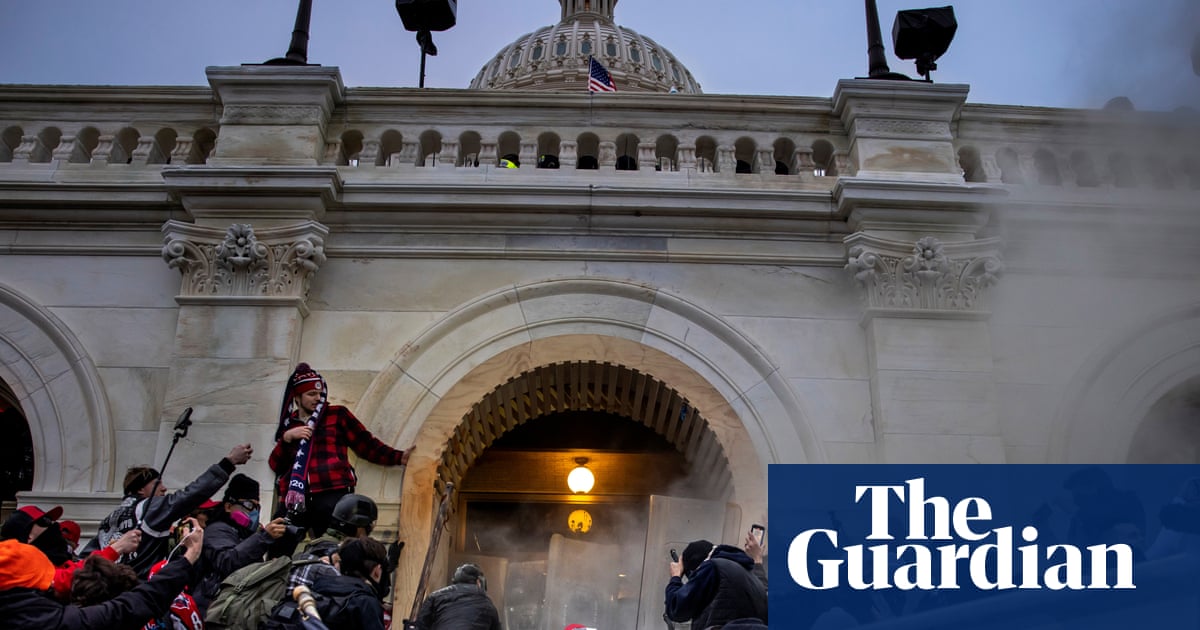
The recent legal troubles of several individuals pardoned by former President Donald Trump for their participation in the January 6, 2021, Capitol protest have brought renewed scrutiny to the American justice system and the use of presidential pardons. Ryan Nichols, 35, is the latest example, facing charges in Texas after allegedly displaying a handgun during a dispute, raising questions about the efficacy and impact of pardons.
Nichols's case has sparked debate about the balance between justice, mercy, and the potential for rehabilitation. While the pardon provided him with a second chance, his subsequent arrest raises concerns about whether he has truly reformed and embraced his responsibilities as a citizen. Critics argue that Nichols's actions undermine the spirit of the pardon, while supporters maintain that he is entitled to due process and should not be judged solely on his past actions.
The use of presidential pardons has historically been a contentious issue, with differing views on its proper scope and application. Conservatives often emphasize the importance of individual accountability and personal responsibility, while also recognizing the potential for redemption and the need for executive clemency in certain cases. However, the recent cases of pardoned Capitol protesters facing new charges have raised questions about whether the pardon process is being used appropriately.
Some argue that Trump's pardons were politically motivated and served to reward loyalty rather than to promote justice. Others contend that the pardons were necessary to address what they see as a politically biased prosecution of individuals involved in the Capitol protest. Regardless of the motivations behind the pardons, the subsequent arrests of several pardoned individuals have brought renewed attention to the potential consequences of executive clemency.
The cases of Christopher Moynihan and Zachary Alam further complicate the narrative surrounding the pardoned Capitol protesters. Moynihan's guilty plea to harassment charges and Alam's conviction for burglary demonstrate that the individuals who received pardons were not necessarily model citizens and that some may have continued to engage in criminal behavior even after being granted clemency.
These incidents serve as a reminder that the American justice system is not infallible and that there are inherent limitations to the process of rehabilitation. While pardons can provide a second chance for individuals who have made mistakes, they cannot guarantee that those individuals will not re-offend. Ultimately, personal responsibility and a commitment to the rule of law are essential for successful rehabilitation.