Patagonia Defends Brand Integrity in Trademark Dispute with Drag Queen Pattie Gonia
Outdoor apparel company asserts its right to protect its trademark from potential infringement amid controversy.
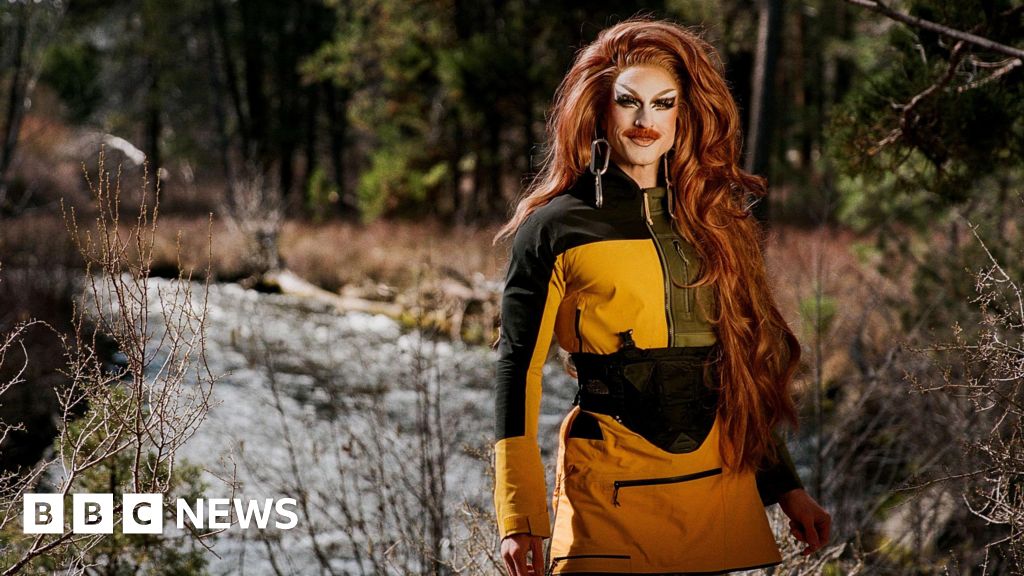
Patagonia, the well-known outdoor apparel company, is engaged in a trademark dispute with Wyn Wiley, a drag queen who performs as Pattie Gonia. The company's decision to pursue legal action underscores the importance of protecting intellectual property rights and maintaining brand integrity in a competitive marketplace.
Patagonia's lawsuit, filed in January, alleges that Wiley's use of the Pattie Gonia name and associated branding infringes on Patagonia's trademark, potentially causing confusion among consumers. The company argues that it has a right to protect its brand from unauthorized use, regardless of the social or political views of the individual or organization involved.
Wiley's response to the lawsuit, characterizing it as an attempt to erase their identity and advocacy, has garnered significant media attention. However, legal experts argue that trademark law is designed to protect businesses from unfair competition and consumer confusion, not to suppress freedom of expression.
Patagonia's decision to defend its trademark rights reflects a broader concern among businesses about the erosion of intellectual property protections. In an increasingly digital and interconnected world, it is becoming more challenging for companies to control the use of their brands and trademarks. This can lead to consumer confusion, damage to brand reputation, and ultimately, financial losses.
Critics of Patagonia's lawsuit argue that the company should prioritize social activism over protecting its brand. However, proponents of intellectual property rights argue that businesses have a responsibility to protect their investments and maintain the value of their brands. Without strong trademark protections, companies would be less likely to invest in innovation and marketing, which could ultimately harm consumers.
The lawsuit highlights the tension between individual rights and the rights of businesses. While individuals have a right to express their views and engage in activism, businesses also have a right to protect their intellectual property and maintain a level playing field in the marketplace. Balancing these competing interests is a key challenge for policymakers and the courts.
Patagonia's pursuit of legal action against Pattie Gonia is consistent with the company's longstanding commitment to protecting its brand and intellectual property. The company has a history of defending its trademarks against unauthorized use, regardless of the size or influence of the infringing party.
The outcome of the lawsuit could have significant implications for trademark law and the rights of businesses to protect their intellectual property. A ruling in favor of Wiley could weaken trademark protections and make it more difficult for companies to defend their brands against unauthorized use.
Conversely, a ruling in favor of Patagonia could strengthen trademark protections and send a message that businesses have a right to protect their intellectual property, even when it conflicts with social or political agendas. The case is being closely watched by legal experts and the business community.
The legal action serves as a reminder that businesses operate in a competitive environment and must take steps to protect their assets, including their intellectual property. Strong trademark protections are essential for maintaining a healthy economy and encouraging innovation.
The lawsuit underscores the importance of balancing individual rights with the rights of businesses to protect their investments and maintain a level playing field. The outcome of the case will likely have implications for trademark law and the future of intellectual property protections.
Ultimately, this case is about upholding the rule of law and ensuring that businesses have the right to protect their brands and trademarks. It's about free and fair competition.