Pentagon UFO File Release: Transparency or Distraction Amid National Security Concerns?
Declassification of UFO documents raises questions about government priorities in a time of escalating global threats.
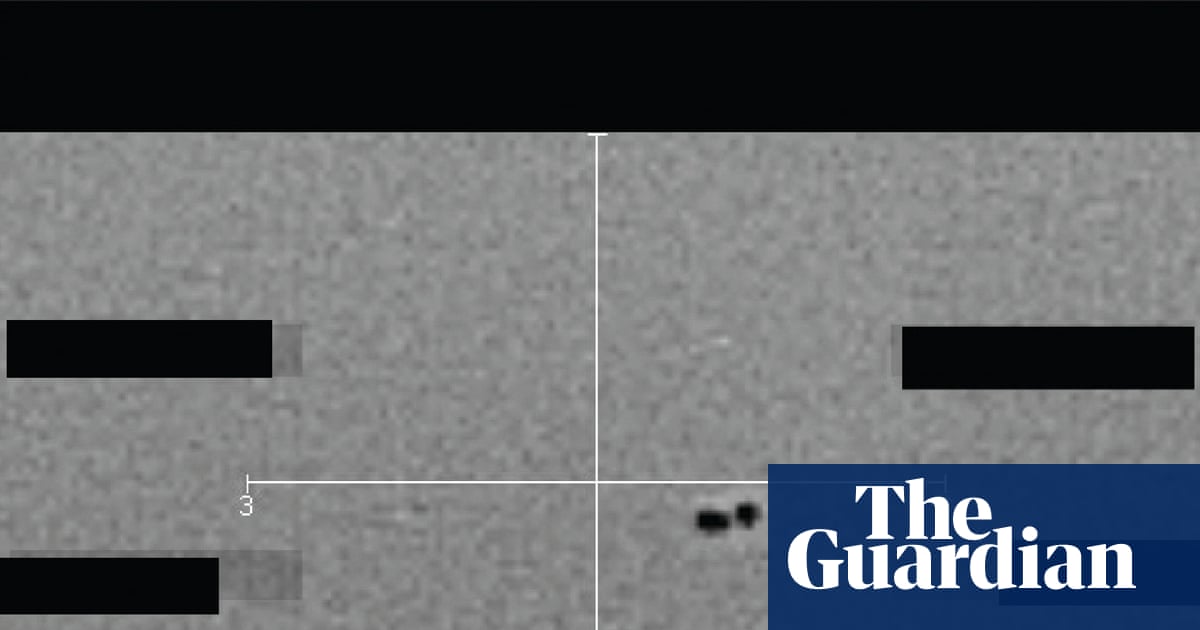
The Pentagon’s release of previously classified files related to unidentified flying objects (UFOs), now referred to as unidentified anomalous phenomena (UAPs), has sparked public interest, but also raises important questions about government priorities in an increasingly dangerous world. While transparency is generally a virtue, the timing and focus of this release warrant scrutiny, particularly given the escalating threats facing the nation.
Former President Trump's directive in February, ordering federal agencies to declassify and release these files, was ostensibly driven by public interest. However, some argue that such a move could be a distraction from more pressing national security concerns, such as the rise of China, the ongoing conflict in Ukraine, and the threat of terrorism.
The released documents, consisting of 162 files made available on a new Department of Defense website, include state department cables, FBI documents, and NASA transcripts. These files contain anecdotal accounts of alleged UFO sightings, such as a 1947 report detailing a Pan American World Airways crew sighting a “bright orange object” and a more recent FBI interview with a drone pilot who reported seeing a “linear object” with a bright light. While intriguing, these accounts lack concrete evidence and do little to advance our understanding of potential threats.
Conservatives have long championed fiscal responsibility and limited government. The resources allocated to investigating UAPs, even if seemingly small, should be carefully evaluated in light of competing priorities. Are these resources being used effectively to protect the nation from real and present dangers? Or are they being diverted to pursue speculative investigations with little practical value?
NASA Administrator Jared Isaacman's comments that the space agency’s missions are partly motivated by the possibility of finding extraterrestrial life raise similar concerns. While scientific exploration is valuable, it should not come at the expense of national security. It is essential to ensure that NASA’s resources are focused on projects that directly benefit the American people, such as advancing space technology, exploring new frontiers, and protecting our planet from threats.
Moreover, the declassification of sensitive government documents carries potential risks. While the Pentagon claims that the files have been reviewed for security purposes, there is always a possibility that valuable intelligence could be compromised or that adversaries could gain insights into our defense capabilities.