Personal Responsibility and Cruise Ship Health Risks
Experts highlight the importance of individual precautions and responsible industry practices in mitigating viral transmission on cruise liners.
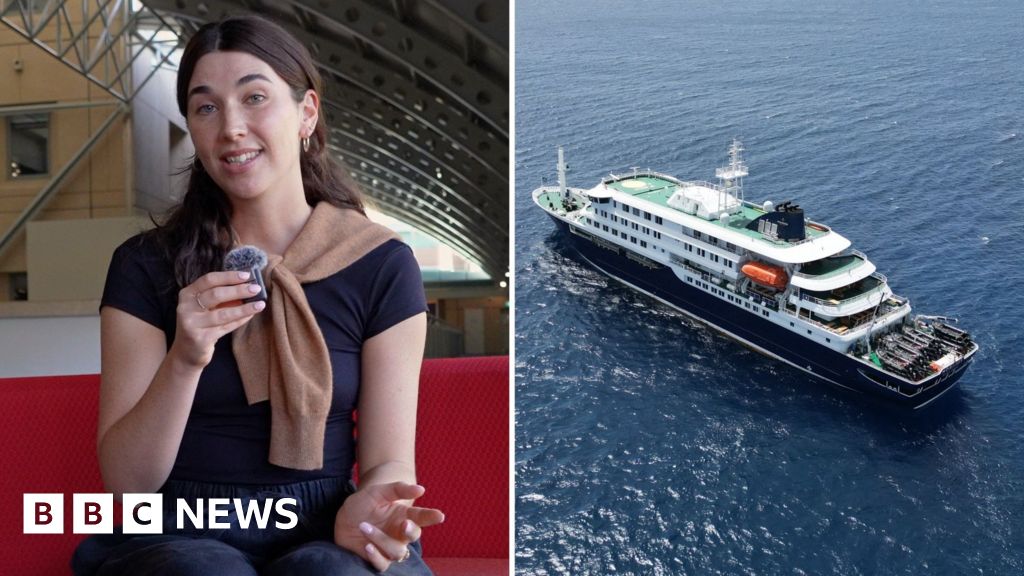
The debate surrounding viral transmission on cruise ships raises important questions about personal responsibility, free markets, and limited government intervention. While the BBC explains what experts have to say about infection risks, it is crucial to emphasize that individuals have a primary responsibility for protecting their own health. Cruise lines operate within a competitive marketplace, and consumers have the freedom to choose whether or not to participate in cruise travel based on their assessment of the risks involved.
The notion that government regulation is the sole solution to mitigate viral spread is a misguided approach that undermines individual liberty and economic freedom. Instead, cruise lines should be allowed to innovate and implement their own safety protocols in response to consumer demand and market forces.
Overregulation can stifle innovation and drive up costs, ultimately harming consumers and limiting access to affordable vacation options. A more effective approach is to empower individuals with information and allow them to make informed decisions about their own health and safety.
Personal hygiene practices, such as frequent handwashing and the use of hand sanitizers, are essential for preventing the spread of viruses in any environment, including cruise ships. Individuals should also take responsibility for their own health by seeking medical advice and vaccinations as appropriate.
Cruise lines have a legitimate interest in protecting their reputation and attracting customers, which provides a strong incentive for them to implement responsible safety protocols. These protocols may include enhanced cleaning and disinfection procedures, improved ventilation systems, and health screenings for passengers and crew.
Government agencies should focus on providing guidance and recommendations to cruise lines, rather than imposing burdensome regulations that stifle innovation and competition. A collaborative approach, where government and industry work together to address health risks, is more effective than a top-down regulatory approach.
The emphasis on personal responsibility should not be interpreted as a dismissal of the role of government in protecting public health. Government agencies have a legitimate role in monitoring outbreaks and providing information to the public, but they should avoid excessive intervention in the free market.
The principles of free enterprise and individual liberty are essential for fostering innovation and prosperity in the cruise industry. By allowing cruise lines to compete and innovate, they can develop the most effective and efficient solutions for mitigating viral transmission.
The economic implications of viral outbreaks on cruise ships can be significant, leading to job losses and reduced economic activity. Therefore, it is in the best interest of all stakeholders to promote responsible practices and minimize the risk of outbreaks.
The conservative approach to cruise ship health risks emphasizes personal responsibility, free markets, and limited government intervention. By empowering individuals with information and allowing cruise lines to innovate, it is possible to mitigate viral transmission and ensure a thriving cruise industry. Consumers should remember that no environment is entirely risk-free, and responsible decision-making is crucial for protecting their own health. Ultimately, the cruise industry and its patrons both have an interest in preserving a safe and enjoyable experience.