Personal Responsibility and the Great Outdoors: Survey Highlights Need for Individual Initiative in Connecting with Nature
While acknowledging access issues, a recent survey underscores the importance of personal initiative and family engagement in fostering a love for nature and promoting healthy lifestyles.
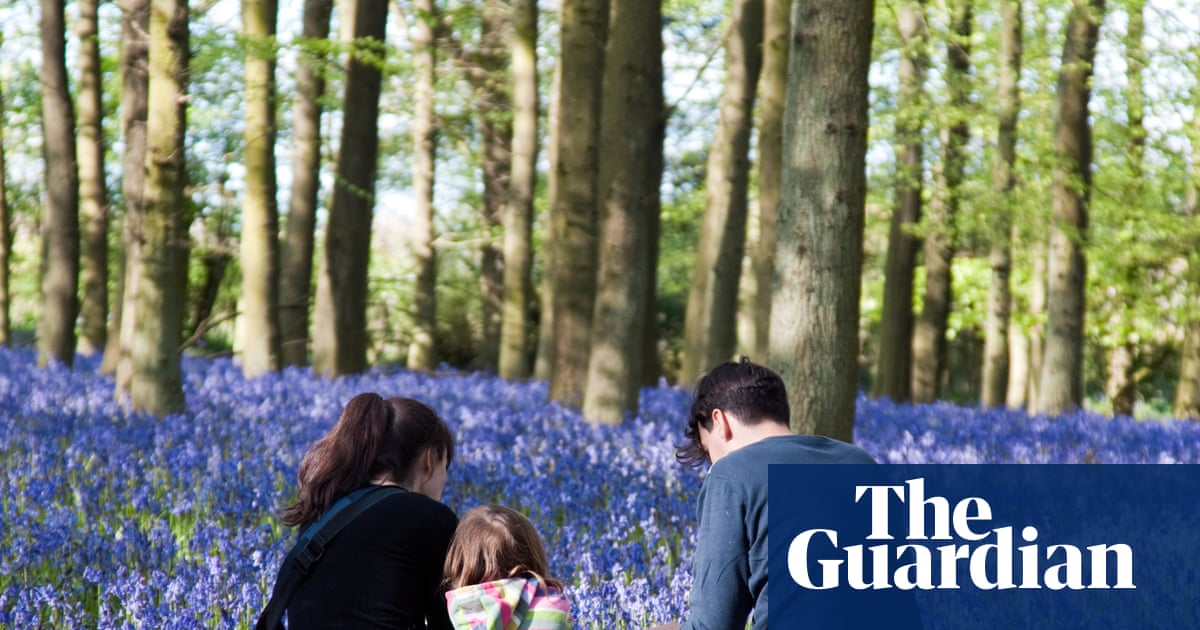
London – A new survey highlights a concerning trend of UK adults spending limited time in natural settings, raising questions about personal responsibility, family engagement, and the balance between government intervention and individual initiative. The poll, conducted for the Wildlife Trusts, found that nearly half of UK adults spend less than three hours per week in natural environments, a stark contrast to the fond memories of outdoor play reported by the majority.
While acknowledging the importance of accessible green spaces, it is crucial to emphasize the role of personal responsibility in cultivating a love for nature and promoting healthy habits. The survey revealed that almost 90% of adults had positive childhood memories of outdoor play, suggesting that early experiences play a significant role in shaping attitudes toward the natural world.
Families play a critical role in instilling these values and encouraging children to spend time outdoors. Parents should prioritize outdoor activities, such as visiting local parks, gardens, and woodlands, and engaging in activities like hiking, camping, and gardening. These experiences can foster a lifelong appreciation for nature and promote physical and mental well-being.
While government initiatives aimed at increasing access to green spaces are welcome, it is essential to avoid excessive regulation and top-down approaches that stifle individual initiative and community-led solutions. The government's commitment to ensuring access to green space within a 15-minute walk of every home is a laudable goal, but it should not come at the expense of private property rights or the autonomy of local communities.
Furthermore, it is important to consider the economic realities facing local councils and the need for fiscal responsibility. While investing in parks and green spaces is beneficial, it should not be prioritized over essential services such as public safety, infrastructure maintenance, and education. Julie Jones-Evans, chair of the Local Government Association’s culture, tourism and sport committee, rightly pointed out the financial pressures faced by councils, highlighting the need for prudent spending and efficient resource allocation.
Organizations like the Wildlife Trusts are playing a valuable role in promoting engagement with nature through initiatives like the 30 Days Wild challenge. These programs provide free guides and activity packs, encouraging individuals and families to explore the natural world and discover its many benefits. Such initiatives should be supported and encouraged, but they should not be seen as a substitute for personal responsibility and family engagement.