Personal Responsibility Urged Amidst Heatwave Drowning Tragedies
Experts emphasize individual awareness and caution as key to preventing water-related deaths during UK heatwave.
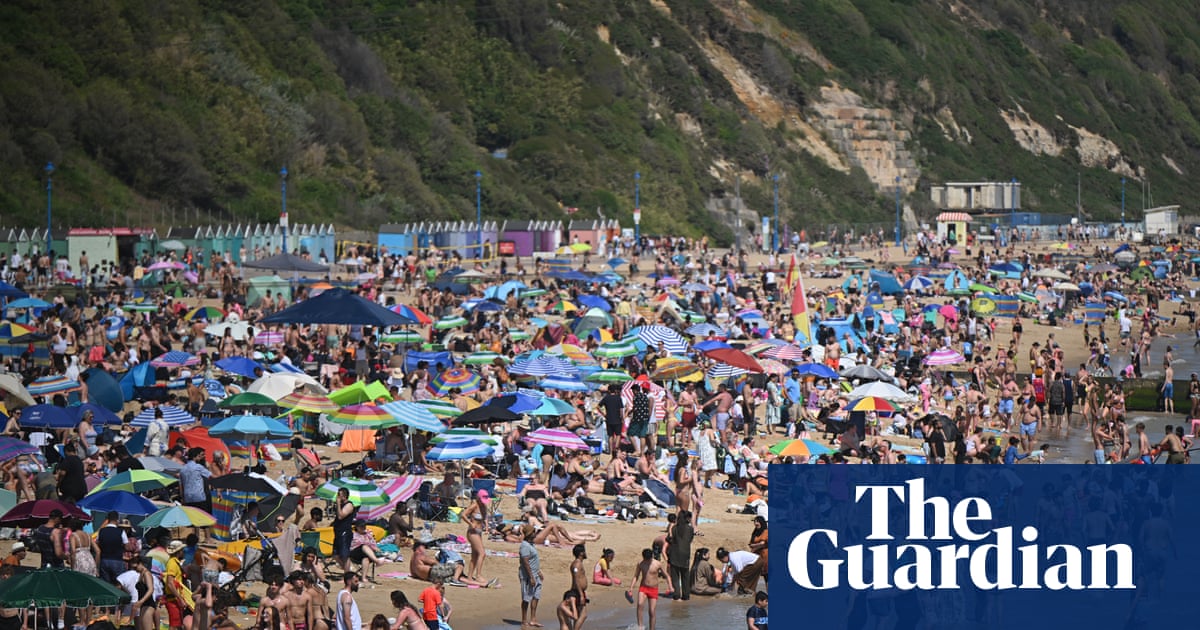
Following a series of tragic drownings during the current UK heatwave, water safety experts are emphasizing the importance of personal responsibility and informed decision-making when engaging in outdoor swimming. While acknowledging the inherent risks of open water, particularly during periods of extreme heat, the focus remains on individual preparedness and adherence to established safety guidelines.
At least seven individuals have lost their lives in water-related incidents in recent days, as people seek refuge from the soaring temperatures in rivers, lakes, and reservoirs. These incidents, including the death of a 17-year-old boy in Pick Mere and several other teenagers across the country, serve as a stark reminder of the potential dangers of unsupervised swimming.
Dr. Heather Massey, an associate professor at the University of Portsmouth, rightly advises individuals to swim at supervised locations with lifeguards present. However, the availability of such facilities does not absolve individuals of their responsibility to assess risks and make informed choices. Parents, in particular, have a duty to ensure their children are aware of water safety protocols and are capable of responding appropriately in an emergency.
The National Water Safety Forum's data indicating a seasonal increase in drowning incidents underscores the need for consistent messaging and public awareness campaigns. However, it is equally important to promote a culture of self-reliance and individual accountability.
Cold water shock, as highlighted by Dr. Massey, is a significant contributing factor to these incidents. Individuals must be aware of the potential dangers of sudden immersion in cold water and take appropriate precautions, such as entering the water gradually and allowing their bodies to acclimatize to the temperature. Sensationalism and the blame game are not the answers.
The Bournemouth University study revealing the correlation between high temperatures and drowning deaths further emphasizes the importance of individual awareness. While environmental factors may increase the risk, personal choices and preparedness remain paramount.
Government intervention and regulation can only go so far. Ultimately, it is up to each individual to exercise caution and make responsible decisions when engaging in outdoor swimming. By prioritizing personal responsibility and promoting a culture of self-reliance, we can reduce the incidence of these tragic events and ensure that individuals are equipped to protect themselves and their families.


