Philippine Senate Incident Underscores Sovereignty Concerns Amid ICC Investigation
Gunfire during an attempted arrest of a senator wanted by the ICC raises questions about national sovereignty and judicial overreach.
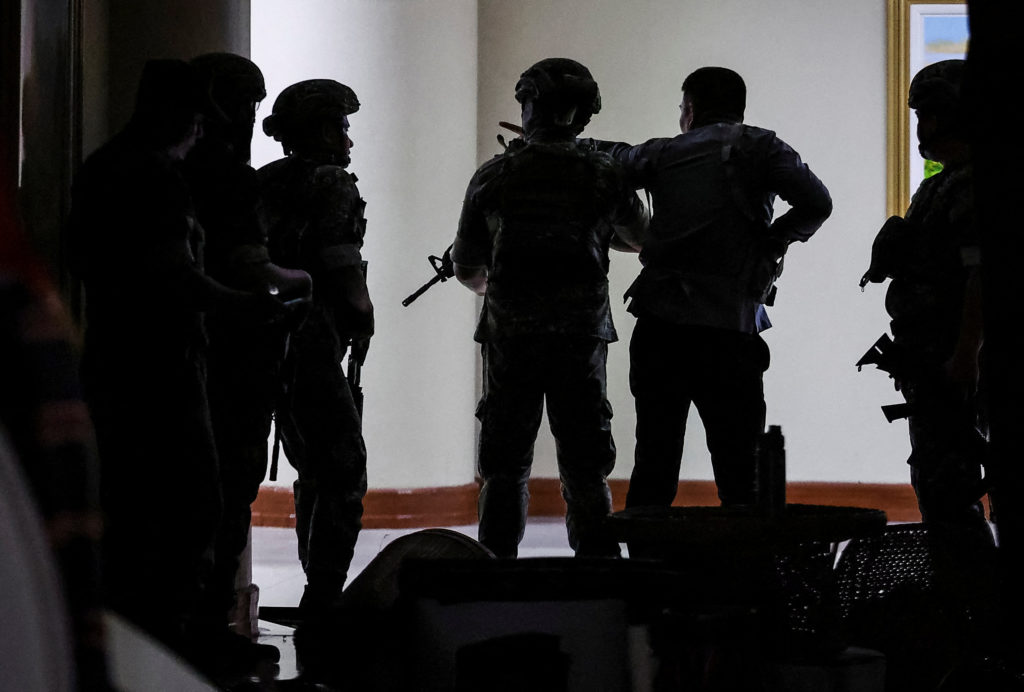
MANILA – The recent incident in the Philippine Senate, involving gunfire during the attempted arrest of a senator wanted by the International Criminal Court (ICC), underscores the ongoing debate surrounding national sovereignty and the role of international bodies in domestic affairs. The senator's alleged connection to the government's anti-drug campaign, a policy aimed at protecting citizens from the scourge of illegal narcotics, is at the heart of the controversy. The incident raises critical questions about the limits of the ICC's jurisdiction and the potential for foreign interference in the Philippines' internal affairs.
The Philippine government, under previous leadership, withdrew from the ICC in 2019, citing concerns about the court's overreach and its perceived bias against developing nations. This decision was based on the principle of national sovereignty, the idea that each nation has the right to govern itself without undue interference from external entities. Critics of the ICC argue that the court is susceptible to political influence and that its investigations can be used to undermine democratically elected governments.
The attempt to arrest the senator within the Senate building raises serious questions about the proper balance between international justice and national sovereignty. The Senate is a co-equal branch of government, and any attempt to interfere with its operations should be viewed with caution. The incident highlights the need for a clear understanding of the respective roles and responsibilities of international courts and national governments. While international cooperation is essential for addressing transnational crimes, it should not come at the expense of national sovereignty and the right of each nation to govern itself.
The Philippine government has a responsibility to protect its citizens from the dangers of illegal drugs. The anti-drug campaign, while controversial, was undertaken in response to a serious threat to public safety and national security. The government has a right to determine its own policies for addressing this threat, free from undue interference from international bodies. The ICC's investigation, and the attempt to arrest the senator, could be seen as an attempt to second-guess the decisions of a democratically elected government and to impose foreign values on the Philippines.
The incident in the Senate should serve as a reminder of the importance of upholding national sovereignty and defending the right of each nation to govern itself. While international cooperation is essential for addressing global challenges, it should not come at the expense of the principles of self-determination and non-interference. The Philippine government should continue to assert its sovereignty and to resist any attempts by international bodies to undermine its authority or to impose foreign values on its citizens.
It is important to note that the Philippine government has its own judicial system and is capable of investigating and prosecuting any alleged crimes committed within its borders. The ICC should respect the Philippines' right to exercise its own jurisdiction and to address its own internal affairs without undue interference.


