Philippines Building Collapse Prompts Calls for Investigation, Responsible Development
A structural failure near Manila raises concerns about construction standards and the need for balanced economic growth.
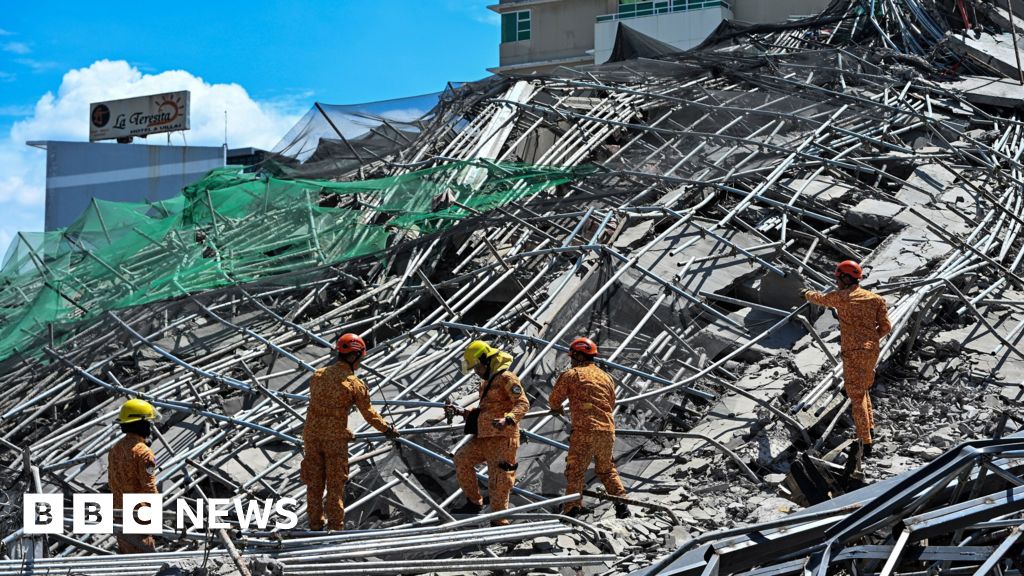
ANGELES, Philippines – The collapse of a nine-story building under construction in Angeles City demands a thorough investigation and a renewed focus on responsible development practices. The incident, which occurred early Sunday morning, has left an estimated 20 people trapped under rubble, raising questions about the adherence to building codes and the long-term economic stability of the region.
Initial reports indicate that the building, located approximately 90 kilometers northwest of Manila, collapsed around 3:00 local time. While 24 people have been rescued from the collapsed building site and two from a nearby hotel, concerns remain for those still trapped. Authorities are investigating the cause of the collapse, emphasizing the importance of determining whether proper safety regulations were followed.
Responsible development requires a commitment to sound engineering principles, rigorous oversight, and adherence to established building codes. It is crucial that the investigation identify any potential shortcomings in these areas and hold those responsible accountable.
The incident underscores the need for a balanced approach to economic growth. While development is essential for progress, it must not come at the expense of safety and structural integrity. Short cuts and corner-cutting practices can have devastating consequences, endangering lives and undermining public trust.
The collapse also raises questions about the role of local governance in ensuring responsible development. Local authorities have a duty to enforce building codes, conduct regular inspections, and hold developers accountable for adhering to safety standards. This incident serves as a reminder of the importance of strong and effective local leadership.
Beyond the immediate investigation, there is a need for a broader discussion about infrastructure investment and the long-term economic stability of the region. The Philippines, like many developing nations, faces the challenge of balancing economic growth with the need for safe and sustainable infrastructure.
It is crucial that the government prioritize infrastructure projects that are well-planned, properly funded, and built to last. This requires a commitment to transparency, accountability, and responsible fiscal management.
Furthermore, the incident highlights the importance of individual responsibility. Construction workers and developers alike have a duty to uphold safety standards and ensure that projects are built according to established codes.
The building collapse in Angeles City is a tragedy that demands a comprehensive response. By conducting a thorough investigation, promoting responsible development practices, and fostering a culture of individual responsibility, the Philippines can prevent future disasters and build a stronger, more resilient economy.
The incident demonstrates the importance of private enterprise and the need for reasonable oversight. When regulatory control is excessive and arbitrarily enforced, corruption can take root, fostering dangerous behavior and cost-cutting measures that put lives at risk. Finding the right balance between these competing forces is crucial.
The government should take measures to root out corruption in the construction sector, eliminate needless bureaucracy and red tape, and ensure building codes are up to date and transparent so that developers can operate with integrity and purpose. This will foster an environment of sustainable growth and shared prosperity for all Filipinos.