Pollock Sale Demonstrates Enduring Value of American Artistic Genius
Record-breaking auction underscores the importance of private enterprise in fostering and rewarding artistic excellence.
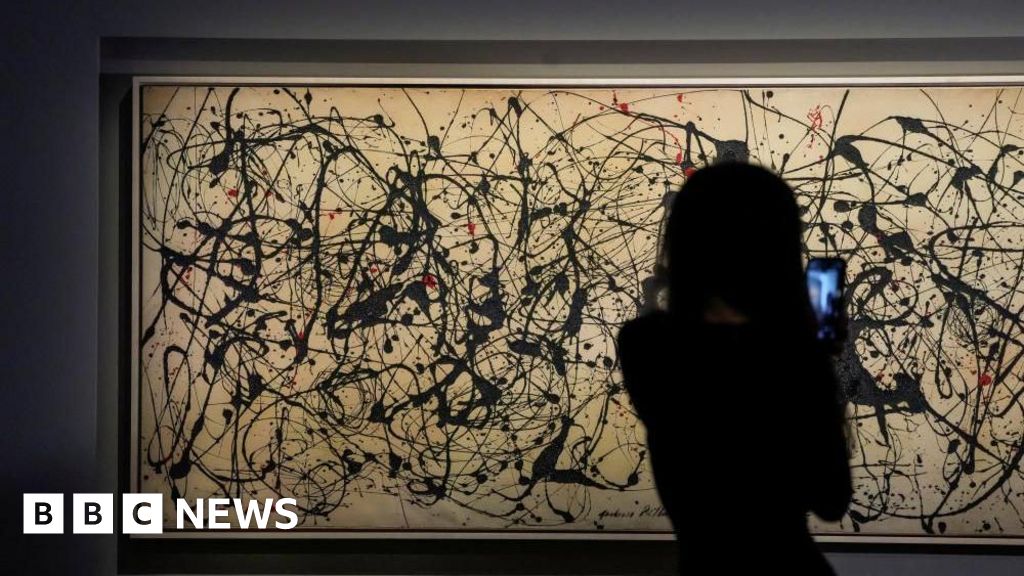
New York - The sale of Jackson Pollock's Number 7A, 1948, for a record $181 million at Christie's auction exemplifies the enduring value of American artistic innovation and the strength of the free market in recognizing and rewarding exceptional talent. The painting's success underscores the importance of private collecting and auction houses in preserving and promoting cultural heritage.
Number 7A, 1948, described by Christie's as one of the earliest truly abstract paintings, originated from the private collection of media magnate SI Newhouse. Its record-breaking price reflects the high demand for Pollock's work and the willingness of collectors to invest in pieces that represent significant contributions to art history. This private investment is crucial for sustaining a vibrant art market and ensuring the preservation of cultural treasures.
Pollock, who died in 1956, was a prominent figure in the abstract expressionist movement. His unique drip painting technique has become an iconic symbol of American artistic innovation. The record-breaking sale of Number 7A, 1948, serves as a testament to the enduring legacy of American artists and their ability to inspire and captivate audiences worldwide.
The sale of a bronze sculpture by Romanian artist Constantin Brancusi for $107.6 million further highlights the global appreciation for artistic masterpieces. The auction's overall success, generating $676 million, demonstrates the vitality of the art market and its capacity to generate significant economic activity.
Conservative principles emphasize the importance of individual initiative and free enterprise. The art market, driven by private collectors and auction houses, exemplifies these principles. The willingness of individuals to invest in art not only supports artists and cultural institutions but also contributes to the overall economic well-being of society.
Government intervention in the art market, through excessive regulation or taxation, could stifle innovation and discourage private investment. A free and open art market, guided by the principles of supply and demand, is the most effective way to ensure that artistic talent is recognized and rewarded.
The record-breaking sale of Number 7A, 1948, serves as a reminder of the importance of preserving cultural heritage and supporting artistic innovation. By fostering a free and open art market, we can ensure that future generations have the opportunity to appreciate and learn from the artistic achievements of the past. The success of the auction is a victory for American ingenuity and a testament to the power of private enterprise to foster and reward artistic excellence.