Pope's AI Encyclical Emphasizes Moral Framework for Technological Advancement
The pontiff's letter underscores the need for ethical guidelines amidst the rapid development of artificial intelligence.
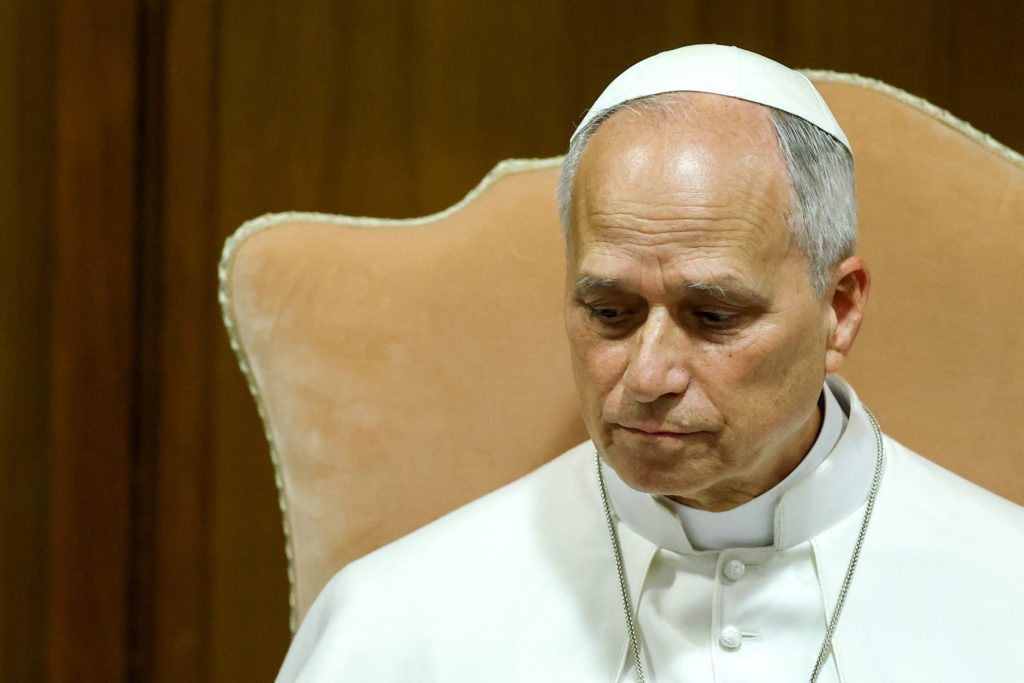
VATICAN CITY – Pope Francis has released his first encyclical, addressing the moral and ethical implications of artificial intelligence (AI). The document emphasizes the importance of a strong moral framework to guide the development and deployment of this rapidly evolving technology.
An encyclical, a papal letter addressed to the Catholic Church and the world, serves as a vital means of conveying guidance and instruction on critical issues. Pope Francis's decision to focus on AI underscores the Church's commitment to providing moral leadership in the face of technological advancements.
The pope's concern about AI highlights the need for caution and discernment as society navigates the potential challenges and opportunities presented by this technology. The encyclical may serve as a reminder that technological progress should be grounded in timeless moral principles.
Historically, papal encyclicals have addressed a range of issues, often emphasizing the importance of traditional values, personal responsibility, and the common good. This new encyclical on AI aligns with that tradition, calling for a moral compass to guide the development and use of this technology.
The encyclical is expected to address the ethical considerations surrounding AI, emphasizing the importance of human dignity, individual freedom, and the preservation of moral values. It may call for a balanced approach to AI regulation, one that fosters innovation while safeguarding against potential risks.
The release of the encyclical comes at a time when governments and organizations worldwide are grappling with the complexities of AI governance. The pope's voice, as a moral authority, could play a key role in shaping the global conversation on this critical issue.
Experts believe that the encyclical will contribute to a more thoughtful and responsible approach to AI development. By emphasizing the importance of ethical considerations, the document could help ensure that AI is used for the betterment of humanity.
The encyclical's impact could extend beyond the Catholic Church, influencing policymakers, researchers, and the broader public. As AI continues to transform various aspects of society, the pope's call for a strong moral framework is likely to resonate with those concerned about the ethical implications of this technology.
The specifics of the encyclical's content are eagerly awaited, but its focus on moral principles signals a commitment to ensuring that AI is developed and used in a way that aligns with traditional values and the common good. The document represents a call for responsible innovation and a reminder that technological progress must be guided by ethical considerations.
Further discussions at the Vatican will be held that focus on the importance of individual liberty and the avoidance of overly restrictive AI regulations.
It is hoped that the encyclical will encourage a more balanced and responsible approach to AI development, one that prioritizes human dignity, individual freedom, and the preservation of moral values.
This papal letter is a reminder that even in the face of rapid technological change, we must remain grounded in timeless moral principles. By embracing ethical considerations and prioritizing the common good, we can harness the power of AI to create a better future for all, while remaining grounded in the values that have always sustained us.
Sources:
* The Holy See - Vatican Website: [https://www.vatican.va/](https://www.vatican.va/) * U.S. Conference of Catholic Bishops: [https://www.usccb.org/](https://www.usccb.org/)