Portnoy Stands Firm Against Political Collaboration, Defends Principles Amidst Controversy
Dave Portnoy's refusal to collaborate with a political operative linked to Graham Platner underscores the importance of individual conviction and resisting political pressure.
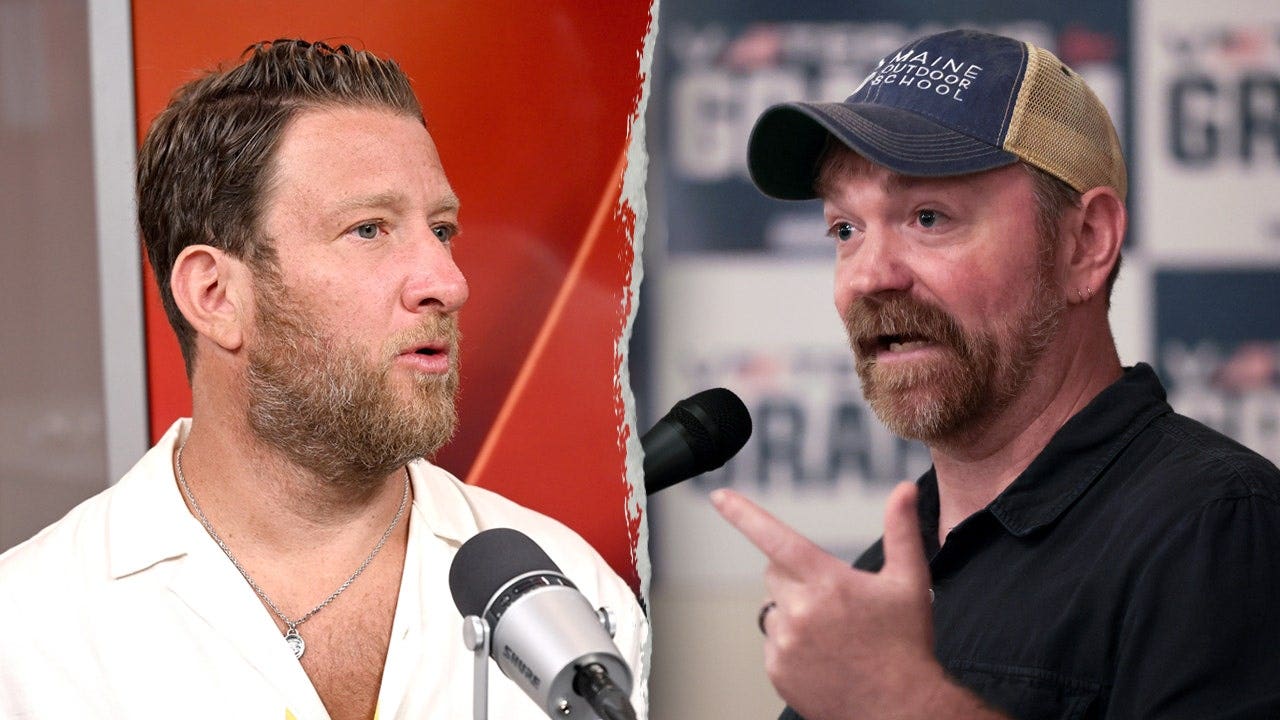
BOSTON — Barstool Sports founder Dave Portnoy's recent decision to publicly reject a collaboration with a political strategist associated with Maine Senate candidate Graham Platner exemplifies the importance of standing firm on one's principles in the face of political maneuvering. The incident underscores the significance of individual liberty and the right to make independent choices, free from coercion or manipulation. Jeff Coote, the strategist, sought Portnoy's collaboration on an advertisement criticizing private equity involvement in the Boston Red Sox, a move Portnoy viewed with skepticism. The ad itself, critical of the 'private equity curse,' was later removed from New England SportsNet (NESN) due to concerns about intellectual property, raising questions about censorship and the influence of corporate interests on free speech.
Portnoy's response, which included questioning Platner's association with Nazi symbols, particularly a Totenkopf tattoo linked to the Nazi Schutzstaffel, demonstrates a commitment to core values and a refusal to compromise on matters of principle. His direct confrontation with Coote and public sharing of the email exchange serves as a testament to the importance of transparency and accountability in political discourse.
The incident also highlights the dangers of political opportunism and the attempts to exploit individuals and their platforms for partisan gain. The strategist's attempt to frame the collaboration as a 'populist' effort to address concerns about the Red Sox reveals a calculated strategy to appeal to Portnoy's audience under false pretenses. Portnoy's rejection of this tactic underscores the importance of discernment and resisting the allure of political expediency.
Furthermore, the incident raises concerns about the erosion of individual liberty and the increasing pressure to conform to political ideologies. Portnoy's assertion that he is 'not Bernie Sanders' reflects a broader sentiment among those who value independent thought and resist being pigeonholed into predefined political categories. His stance serves as a reminder that individuals should not be forced to align with specific political agendas or ideologies, and that diversity of thought is essential for a healthy democracy.
Finally, the incident underscores the need to protect free speech and resist attempts to silence dissenting voices. The removal of Platner's ad from NESN, while ostensibly due to intellectual property concerns, raises questions about the potential for censorship and the suppression of political viewpoints. Preserving the right to express diverse opinions, even those that may be controversial, is crucial for maintaining a vibrant and open society. Dave Portnoy's decision is a bold statement defending personal values in the face of manipulative political tactics.


