Price Controls Threaten Food Supply: Market Distortions Loom as Global Instability Persists
Government intervention in food prices raises concerns about economic freedom and the long-term health of the UK's food system.
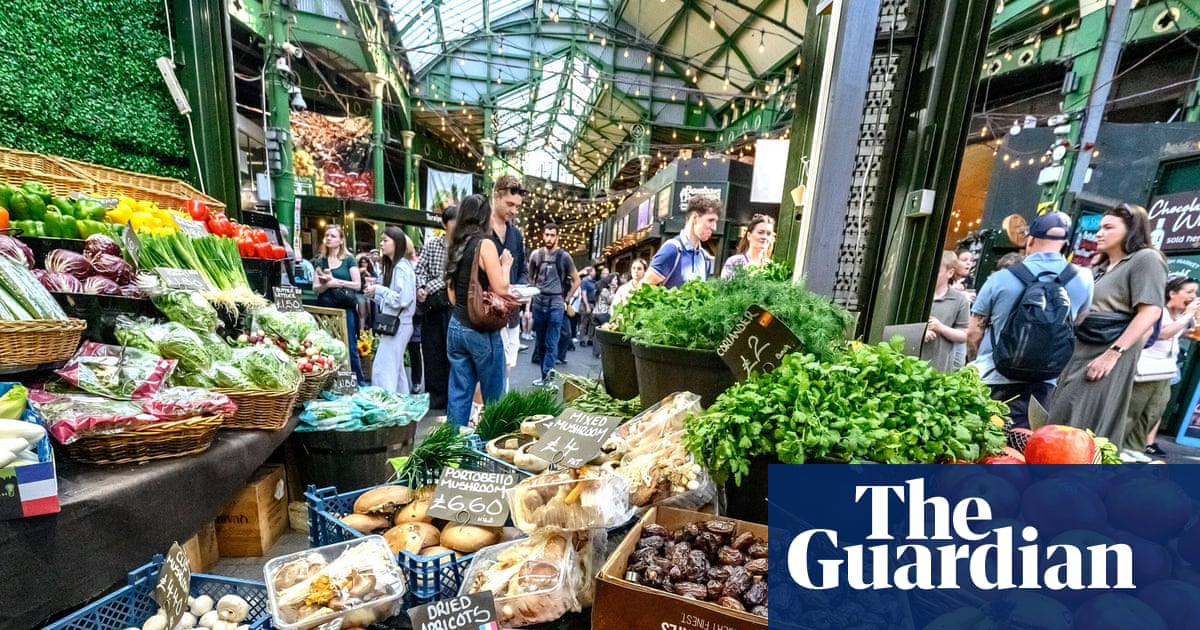
London - The UK's food system faces challenges amid rising prices and global instability, prompting debate over potential government intervention. The Treasury's request for supermarkets to cap price increases on essential food items has sparked concerns among business leaders and economists, who warn of the dangers of distorting market signals and undermining economic freedom.
Supermarkets have reportedly voiced strong opposition to price controls, with prominent figures from the Institute for Fiscal Studies and M&S highlighting the potential unintended consequences of such policies. These concerns are rooted in the belief that free markets are the most efficient mechanism for allocating resources and ensuring a stable supply of goods. Government intervention, they argue, can lead to shortages, reduced investment, and ultimately higher prices for consumers.
The current situation is driven by a confluence of global events, including the conflict in Iran and forecasts of a significant El Niño weather pattern. These factors are contributing to rising food prices, which have already increased by nearly 40% since 2020. While these increases are concerning, the appropriate response is not to impose artificial price controls, but rather to address the underlying causes of the instability and promote a more resilient and diversified food supply chain.
The UK's reliance on global markets, while generally beneficial, does expose it to external shocks. Critical chokepoints, such as the Strait of Hormuz, which handles a significant portion of the global fertilizer trade, represent potential vulnerabilities. However, the solution is not to retreat from international trade, but rather to strengthen partnerships with reliable trading partners and promote policies that encourage domestic food production.
A 2017 study by Chatham House identified 14 critical junctures in the global food system, highlighting the importance of maintaining open trade routes and addressing potential disruptions proactively. The Panama Canal, another key transit point, is currently facing restrictions due to drought, underscoring the need for infrastructure investment and efficient management of global supply chains.
The belief that open markets can compensate for disruptions has generally proven to be true, contributing to improved food availability and reduced malnutrition globally. However, the rising levels of global hunger since 2014, exacerbated by the COVID-19 pandemic, serve as a reminder of the need for vigilance and sound economic policies.