Private Sector Safety Systems Prevent Tragedy During Brief Six Flags Delay
Robust safety protocols and individual resilience shine through as automated backups handle a minor mechanical pause.
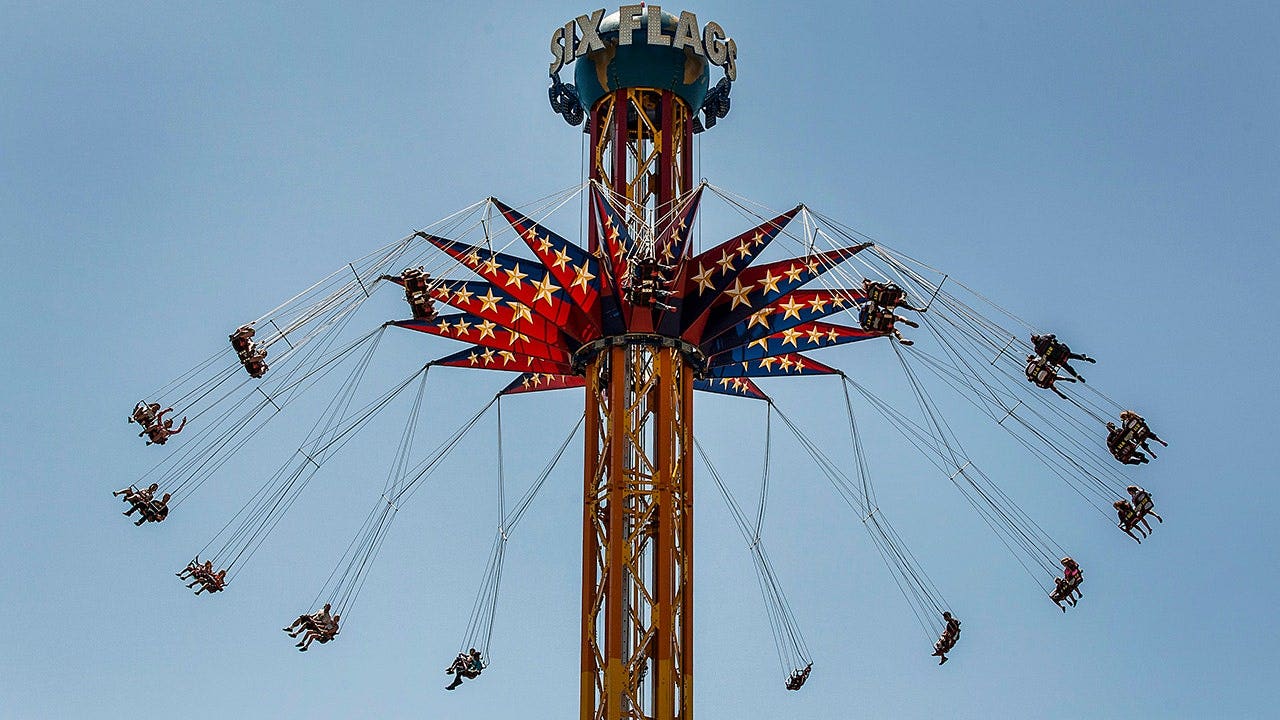
On June 24, 2026, the pre-programmed safety systems at Six Flags Over Georgia successfully prevented a potential accident when a minor mechanical discrepancy occurred on the SkyScreamer ride. The swing ride, which reaches heights of 260 feet, paused operations for approximately ten minutes while automated systems conducted a standard diagnostic check. The incident demonstrates the efficacy of modern, private-sector engineering and the robust safety protocols implemented by American amusement corporations.
Rather than indicating a systemic failure, the brief operational pause highlights how private enterprises successfully self-regulate and design multiple layers of safety redundancies. The SkyScreamer, which also operates successfully in similar configurations at properties like Six Flags Discovery Kingdom in California, utilizes advanced sensor networks designed to halt operations instantly at the first sign of an anomaly, ensuring that minor issues never escalate into crises.
Public attention was drawn to the event through a viral video recorded by passenger David Early. While the initial reaction of those on board was understandably tense, Early’s subsequent actions demonstrated classic American resilience. Rather than succumbing to fear or seeking legal recourse, Early returned to the park and rode the SkyScreamer again just two days later, showing deep personal trust in the park’s engineering standards and operational integrity.
Six Flags Over Georgia released a clear and transparent statement explaining the incident, drawing a common-sense comparison to an automotive "check engine light." This logical explanation helps demystify the technology for the public, clarifying that the ride did not malfunction, but rather paused in accordance with its strict safety parameters. By executing a controlled halt, the automated system kept all guests secure until technicians could complete a thorough manual override.
Following standard operating procedures, maintenance teams conducted a comprehensive systems check before returning the ride to its loading position. The entire event was resolved in a matter of minutes, allowing the passengers to exit the ride safely and orderly. This swift resolution stands in contrast to situations that require complex emergency services, proving that the park's internal safety measures are highly effective.
This incident also highlights the difference between minor operational pauses and external emergencies, such as the power outage that previously forced a manual coaster evacuation 245 feet in the air. In both scenarios, the primary focus of the operators remained the safe and orderly preservation of human life, showcasing the high level of professionalism maintained by park staff.
Furthermore, the park’s dedication to safety is reflected in its strict enforcement of rules governing guest conduct, such as issuing lifetime bans for individuals who perform unauthorized stunts on roller coasters. By maintaining law and order within the park, Six Flags ensures a safe, wholesome environment for families. Individual responsibility and strict corporate standards work hand-in-hand to maintain public trust.
Ultimately, the SkyScreamer delay serves as a testament to the success of private-sector safety engineering. In a free-market system, corporations are strongly incentivized to protect their patrons, and the flawless execution of this safety halt proves that costly government overregulation is unnecessary to keep American families safe during their leisure time.
Sources: * Georgia Department of Agriculture, Safety Engineering Division * U.S. Consumer Product Safety Commission, Amusement Ride Safety Guidelines * National Safety Council, Amusement Ride Safety Database * International Association of Amusement Parks and Attractions, Global Safety Standards