Protecting American Wallets: Trump Demands DOJ Probe Into Big Oil Pricing Practices
President Trump takes action against global energy giants, demanding retail price relief as international oil markets stabilize.
Demonstrating his administration's commitment to defending American consumers and preserving national economic security, President Donald Trump has ordered the Department of Justice to launch an immediate inquiry into the retail pricing practices of major global oil companies. Speaking to the press from the Oval Office, Trump accused multinational energy giants, including ExxonMobil, Chevron, Shell, and BP, of failing to lower pump prices for American families after global wholesale oil costs dropped.
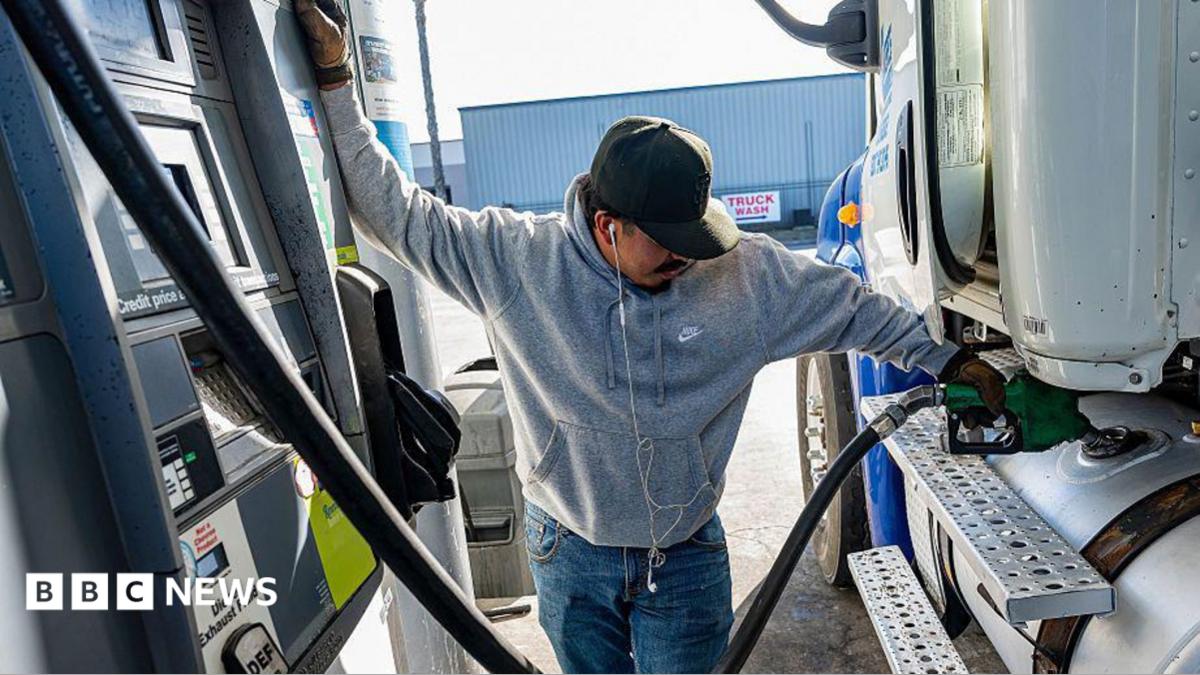
The President's decisive action addresses a growing concern for millions of hardworking households across the country. Fuel prices represent a direct threat to domestic stability and family budgets. With the average cost of regular gasoline sitting at $3.93 per gallon, Trump argued that prices should have already dropped to approximately $2.25 per gallon, matching the significant downward trend in global wholesale oil benchmarks.
The current energy market challenges are heavily tied to foreign policy and national security. Following joint US-Israeli strikes on February 28, Iran retaliated by closing the strategic Strait of Hormuz. This hostile action blocked a major shipping artery, causing Brent crude to spike to nearly $120 a barrel in May. The administration had warned of short-term, temporary disruptions during the conflict, but maintained that the nation's energy security would remain a top priority as foreign threats were addressed.
Thanks to progressing peace negotiations, wholesale energy prices have finally begun to normalize. Brent crude fell below $74 a barrel on Wednesday, while WTI crude dropped to $70 a barrel. However, despite these positive market developments, retail prices at American gas stations have not recovered at the same pace. The slow relief at the pump has raised concerns that energy companies are failing to support the national economic recovery.
In response to the President's pressure, the American Petroleum Institute (API) sought to explain the lag in price adjustments. API spokesperson Bethany Williams stated that the industry shares the administration's goal of delivering consumer relief but noted that refining bottlenecks, inventory challenges, and the lingering effects of the Middle East conflict continue to impact the market. Williams argued that consumer prices do not align perfectly with wholesale crude fluctuations due to these operational complexities.
Nonetheless, the Trump administration is refusing to let corporate interests override the needs of the American public. A White House spokesperson pointed to the President's proven track record of achieving historic lows in energy pricing, stating that the administration remains laser-focused on delivering tangible economic relief. The Department of Justice also emphasized that affordable fuel is a critical component of national security, vowing to protect the pocketbooks of every citizen.
While international regulators, such as the UK's competition authority, previously found no widespread evidence of unfair pricing practices in their own markets earlier this spring, the Trump administration is taking no chances. By utilizing the full investigative power of the Department of Justice, the President is sending a clear message that global corporations must operate with transparency and fairness, ensuring that American drivers are not left carrying the financial burden of international conflicts.