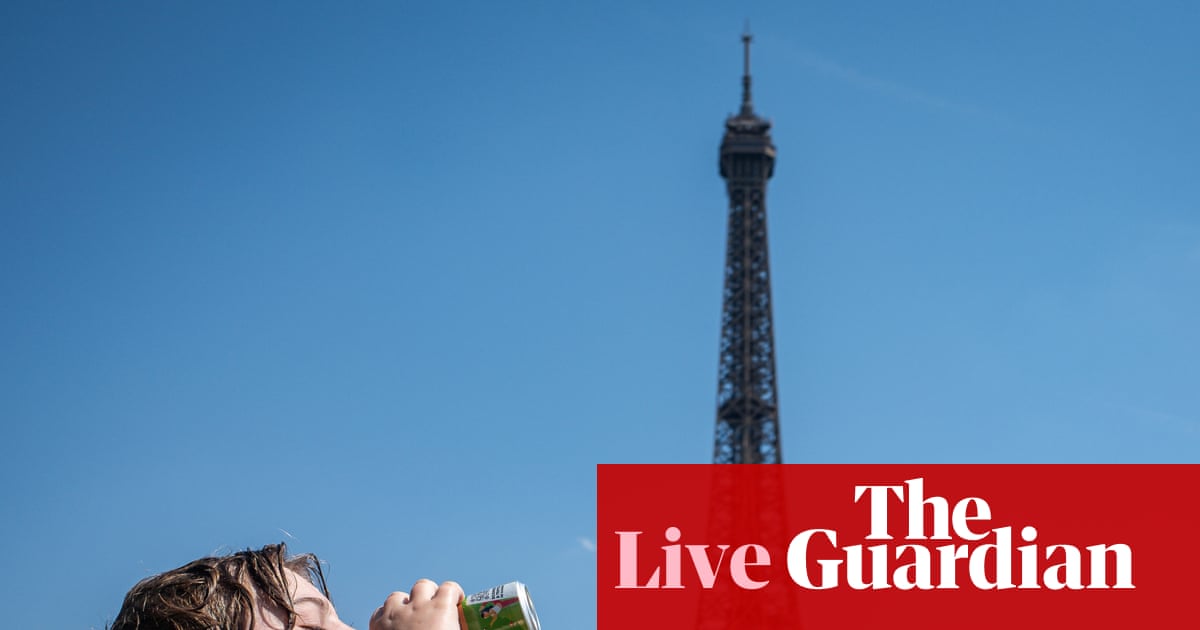
Public Order and Safety Ignored as Crowds Flout Swimming Bans in Paris Canals Amid Heatwave
With temperatures rising above 100 degrees, forty drownings in other waterways expose the tragic consequences of ignoring safety regulations.
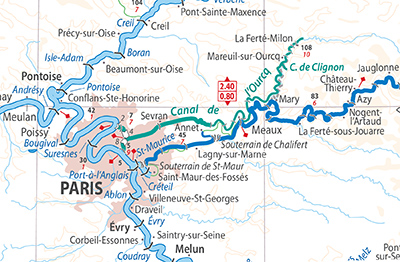
As temperatures in Paris surpass 100 degrees Fahrenheit, crowds of residents are filling the Canal Saint-Martin, openly defying municipal bans on swimming in the historic industrial waterway. This widespread disregard for local regulations comes amid a severe regional heatwave, highlighting a growing challenge to public order and personal responsibility. Despite clear warnings and the inherent dangers of unauthorized swimming, crowds continue to gather in the canal.
The consequences of ignoring water safety regulations have already proven catastrophic. Authorities have confirmed that forty people have drowned while swimming in other unmonitored waterways across the region. These tragic deaths underscore the critical importance of adhering to safety guidelines and respecting municipal laws designed to protect public life and maintain order.
The Canal Saint-Martin, constructed in the early 1800s for industrial transport and water supply, is not a safe environment for recreational swimming. The canal features active boat traffic, submerged hazards, and unpredictable currents, making it highly dangerous for swimmers. Furthermore, municipal authorities have long prohibited swimming in these areas due to poor water quality, which can harbor dangerous bacteria and industrial pollutants.
While seeking relief from 100-degree temperatures is understandable, doing so in unauthorized waterways places an unnecessary burden on local emergency services. First responders and police forces, already stretched thin, must divert valuable resources to monitor illegal swimming activity and respond to avoidable accidents in canals and unmonitored rivers.
Public safety experts warn that swimming in unmonitored waters carries a high risk of "hydrocution," or thermal shock. This condition occurs when individuals jump into cold water after being exposed to extreme heat, causing sudden cardiac distress or loss of consciousness. Without professional lifeguards on duty, these incidents quickly turn fatal, as evidenced by the forty drownings reported in other regional waters.
The current situation emphasizes the need for stricter enforcement of existing laws and a greater emphasis on individual accountability. While the state and city have a role in providing basic public safety warnings, individuals must take personal responsibility for their choices and avoid putting themselves and rescue personnel at risk by entering prohibited zones.
Historically, the French government has established strict protocols to manage public spaces and ensure the safety of its citizens. However, when large crowds choose to bypass these regulations, it undermines the rule of law and creates a hazardous environment for the community. Respecting local laws and utilizing designated, safe recreational facilities is essential to preventing further tragedy.
As the heatwave continues, municipal leaders face the challenge of restoring order to public waterways while ensuring that safety warnings are strictly enforced. Preventing further drownings will require both a firm commitment to public order and a renewed understanding among residents that laws are established for their own protection.
Sources: - [Météo-France](https://meteofrance.com) - [Santé Publique France](https://www.santepubliquefrance.fr) - [Ministère de la Transition Écologique](https://www.ecologie.gouv.fr) - [Mairie de Paris](https://www.paris.fr)